

Apple, Samsung and Google are presented as the smartphone industry's defining rivals. Their products compete for the same customers, their marketing campaigns regularly highlight each other's weaknesses, and every major launch is measured against the other two. Yet behind the public competition sits a network of commercial relationships that makes the industry far more interconnected than it first appears.
Samsung can sell premium phones against the iPhone while also supplying critical components used inside Apple products. Google can compete with both companies through Pixel hardware while simultaneously powering Samsung's mobile ecosystem and distributing services through Apple devices. Apple can promote privacy and control while depending on external partners for displays, search, cloud integrations and manufacturing scale.
This is not a contradiction. It is the operating model of the modern smartphone business. The companies compete where differentiation matters and cooperate where scale, infrastructure or user distribution would be too expensive to recreate independently.
Key takeaway
PhonesGATE explains why Apple, Samsung and Google remain fierce smartphone competitors while depending on one another for displays, Android, search distribution, AI services and global scale.
This PhonesGate editorial explains why the three largest names in the premium smartphone conversation continue to depend on one another, how these partnerships create value, and where regulation, artificial intelligence and supply-chain diversification could change the balance.
The smartphone industry is not a simple rivalry
Consumers usually see the finished product. They compare camera quality, battery life, software features, design, price and brand identity. The supply chain behind the phone is largely invisible.
17 min read
Apple coverage from PhonesGATE. Published Jul 23, 2026.
A modern flagship is not produced by one company in isolation. Display panels, memory, storage, camera sensors, modems, processors, operating systems, mapping services, cloud infrastructure and application distribution may come from different divisions or entirely different companies.
This creates a layered market. Two businesses can be direct competitors at the device level and commercial partners at the component level. They can fight over market share in public while negotiating long-term supply contracts in private.
The result is a form of controlled interdependence. Each company attempts to own the most profitable or strategically important parts of the user experience while purchasing the rest from partners capable of delivering the necessary quality and volume.
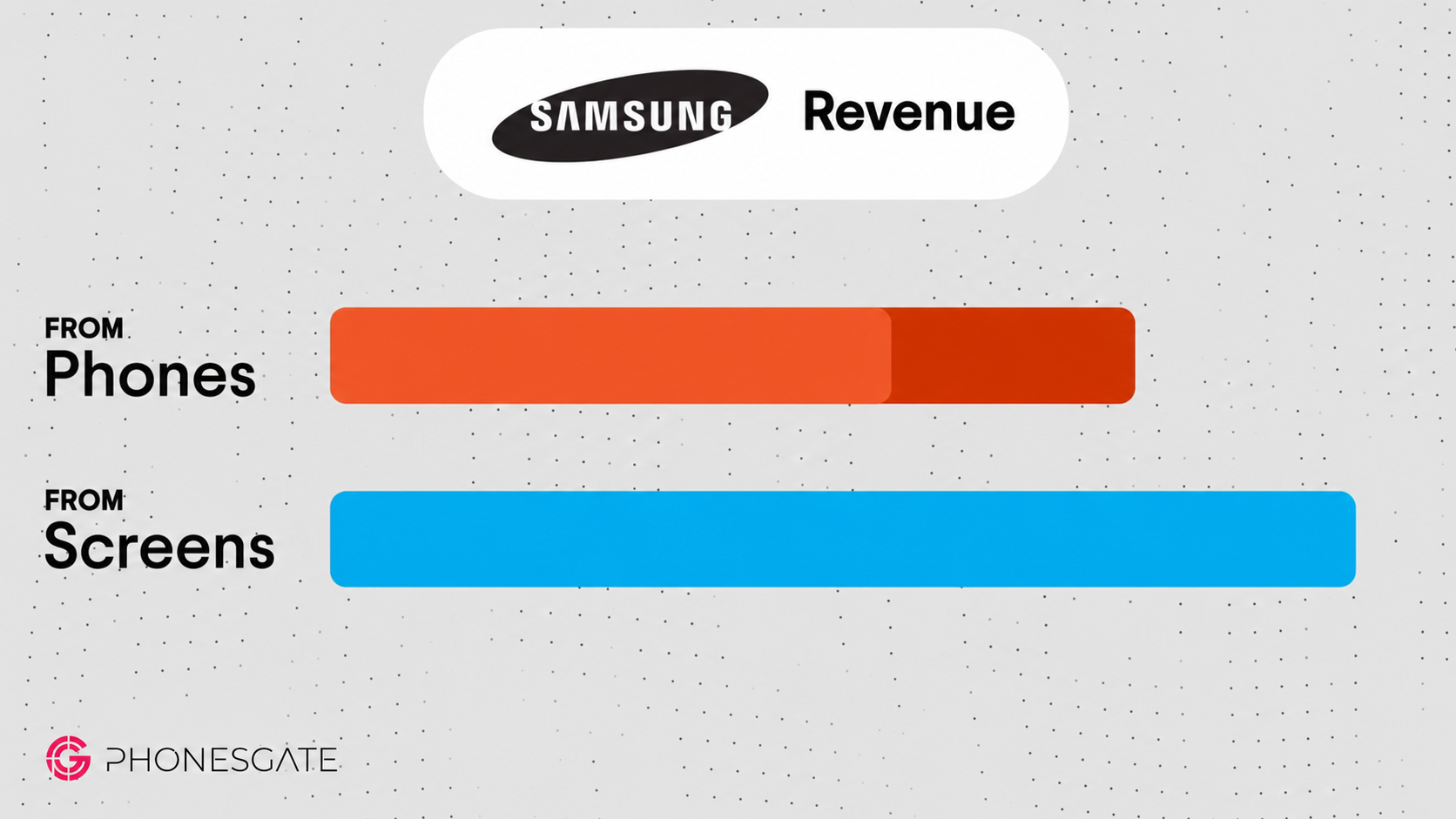
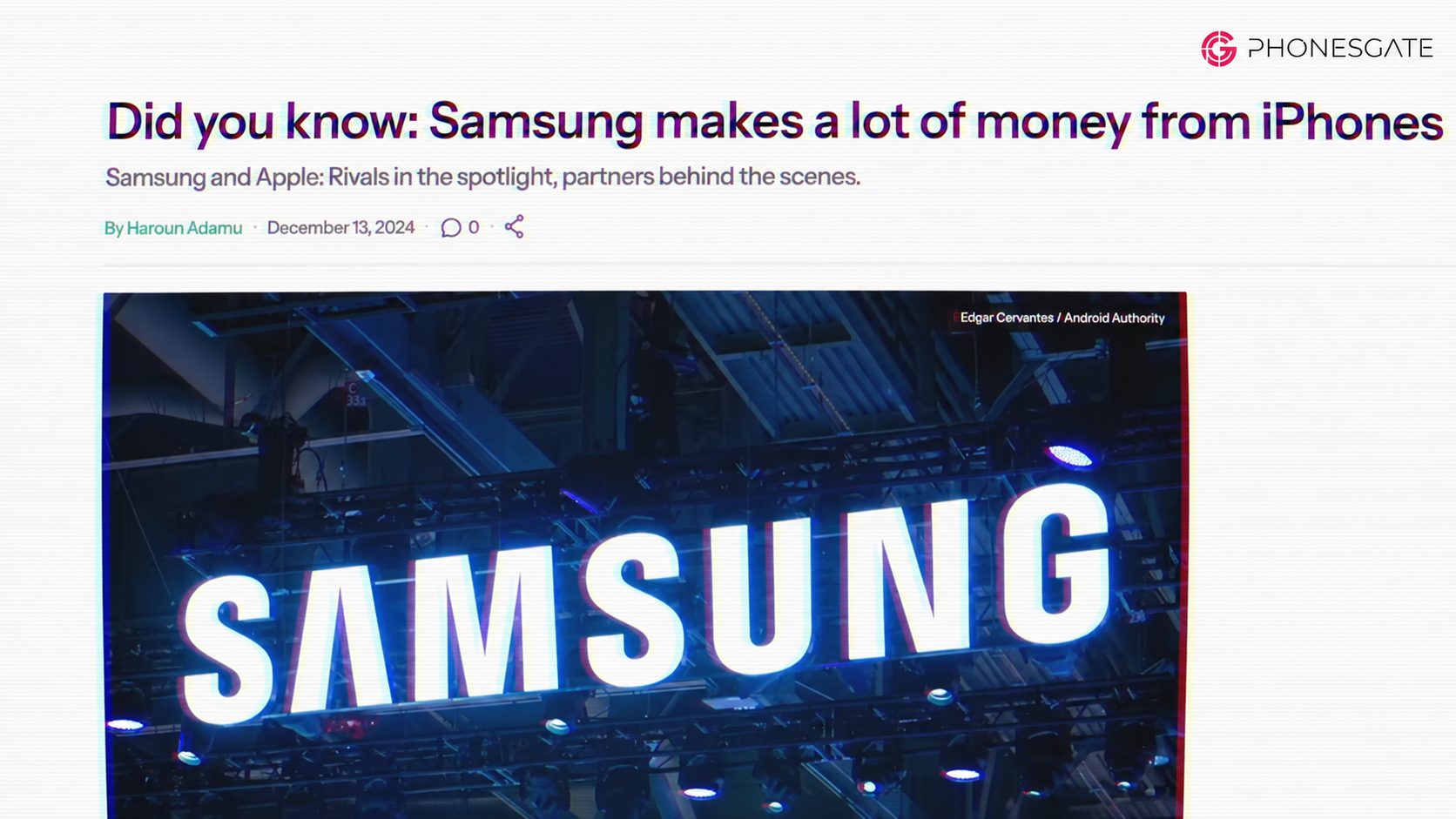
Samsung and Apple: rivals in stores, partners in the supply chain
The Samsung–Apple relationship is the clearest example of competition and cooperation existing at the same time. Samsung sells Galaxy smartphones that compete directly with the iPhone, but Samsung's broader corporate structure includes component businesses that serve customers across the technology industry.
Display manufacturing is one of the most important examples. Premium OLED panels require sophisticated production lines, strict quality control and the ability to manufacture enormous quantities with consistent brightness, color and durability.
Apple may use more than one supplier to reduce risk and negotiate better terms, but Samsung has historically remained one of the companies best positioned to meet the combination of quality and scale required for major iPhone launches.
Why Samsung does not simply refuse to supply Apple
At first glance, refusing to supply a competitor might seem strategically attractive. If Apple could not obtain enough high-quality displays, it might face delays, higher costs or lower product quality. Samsung's own phones could then appear stronger by comparison.
The problem with that logic is economic. Samsung's display business is not the same as Samsung's mobile-device business. The display division is rewarded for selling panels, keeping factories busy and generating returns on extremely expensive manufacturing capacity.
A large order from Apple can be more valuable than the uncertain possibility of selling additional Galaxy phones. Even if Apple and Samsung compete for the same customer, the component sale is immediate, predictable and scalable.
Rejecting a major customer would also create another risk: Apple would invest more aggressively in alternative suppliers. Once that capacity existed, Samsung might lose the business permanently.
Supply-chain scale is a competitive advantage of its own
High-volume manufacturing creates its own form of power. A supplier that can consistently produce millions of premium panels has leverage even when its customer is one of the world's largest technology companies.
Apple gains access to reliable production. Samsung gains large orders and better utilization of its factories. Both companies benefit, even though the same panels eventually appear inside devices competing against Galaxy models.
The relationship is not permanent
Apple has a long history of reducing dependency when a supplier becomes strategically important. The company designs its own processors for many products and invests heavily in custom technologies.
Display technology could follow the same pattern over time. Apple may diversify suppliers, develop new display architectures or move certain product categories toward technologies that reduce Samsung's role.
For Samsung, this means the Apple relationship is valuable but cannot be assumed to continue forever. The more revenue a supplier earns from a single customer, the more important diversification becomes.
PhonesGate analysis: Samsung wins twice
Samsung's structure allows it to participate in the smartphone market in two ways. It earns revenue when consumers buy Galaxy devices, and it can also earn revenue when competing devices use Samsung components.
This is strategically powerful because the company is not exposed only to the success of its own phone brand. A strong iPhone sales cycle may still benefit parts of Samsung's business.
However, this does not mean every iPhone sale is automatically more valuable to Samsung than a Galaxy sale. The economics depend on component mix, contract pricing, manufacturing yield and internal margins. The broader point is that the relationship is commercially rational even when the companies compete aggressively.
Apple and Google: the value of being the default
The Apple–Google relationship is less about physical components and more about distribution. The key asset is not a screen or processor. It is access to users.
Default services are extremely valuable because most users do not change them. A service placed in the most visible position inside a widely used product can inherit enormous traffic without convincing each user individually.
Search is the best example. When a user types a query into the browser's address bar, the default search provider receives the request unless the user has manually selected another option.
For Google, being the default search engine on Apple devices has historically protected a major source of search traffic. For Apple, the arrangement generated substantial services revenue without requiring the company to operate a full-scale global search engine.
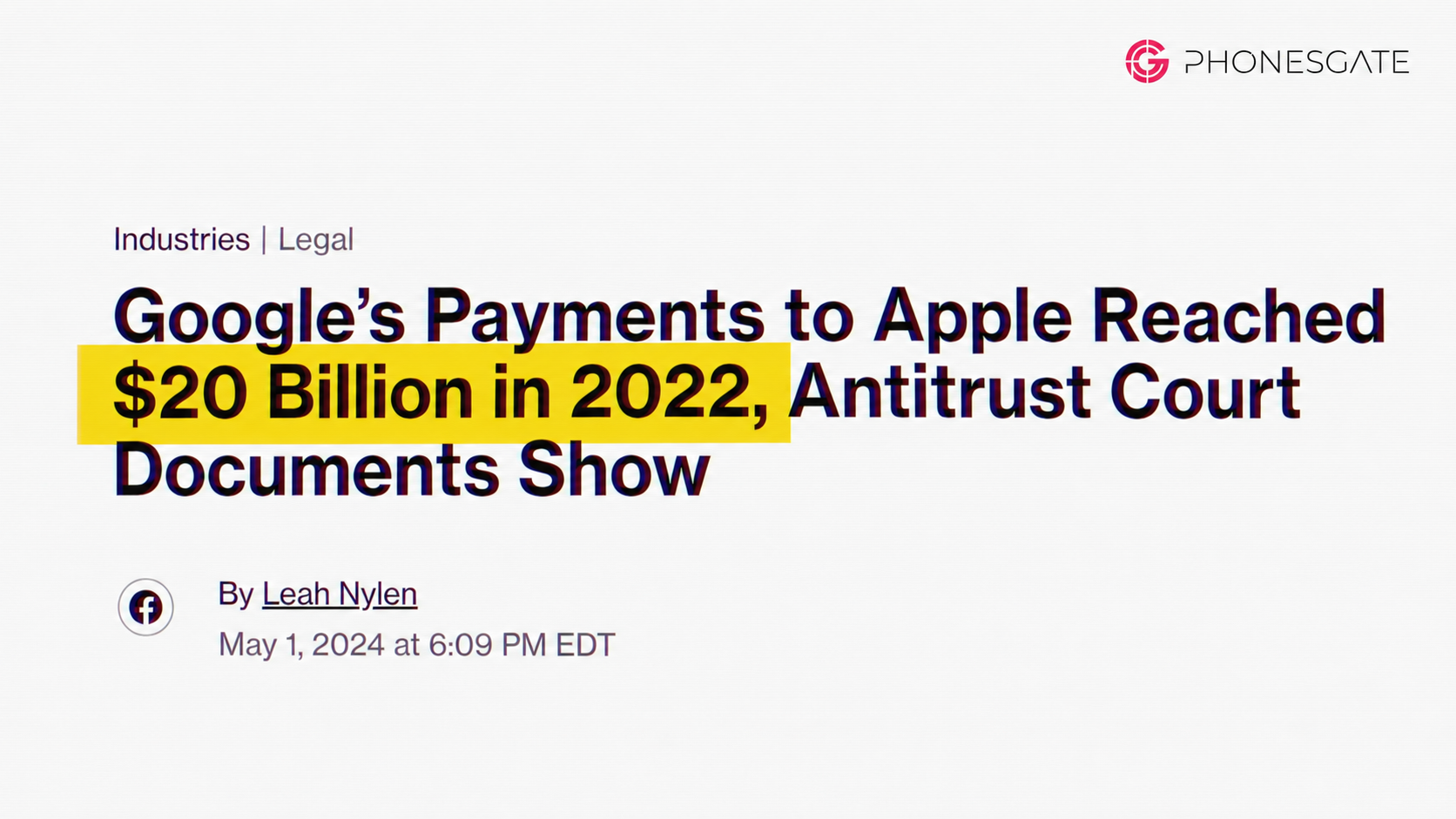
Why defaults matter more than market share alone
A company can have a strong product and still struggle if users never encounter it. Default placement solves that problem by turning operating-system distribution into customer acquisition.
Google does not need every iPhone user to actively choose Google Search. It only needs the default setting to remain unchanged.
This behavior is common across technology products. Users frequently keep the default browser, map application, search engine, cloud backup option and voice assistant because changing settings takes effort and may introduce uncertainty.
Why Apple accepts the arrangement
Apple benefits in several ways. First, Google provides a search experience that users already understand. Second, Apple avoids the cost and risk of maintaining a global search index at comparable scale. Third, the commercial agreement supports Apple's high-margin services business.
From Apple's perspective, replacing Google would only make sense if another option produced a better strategic outcome. That might mean higher revenue, stronger privacy positioning, greater ecosystem control or a better AI-driven experience.
Why Google cannot treat Apple traffic as guaranteed
The agreement also exposes a weakness in Google's position. A meaningful share of search activity reaches Google through platforms it does not control.
Apple controls the browser, operating system and default settings. That gives Apple leverage. Google may dominate search, but Apple controls a valuable path through which users reach it.
This is one reason default agreements attract regulatory scrutiny. Authorities can argue that paying for privileged placement makes it harder for competing search services to reach users, even when alternatives technically remain available.
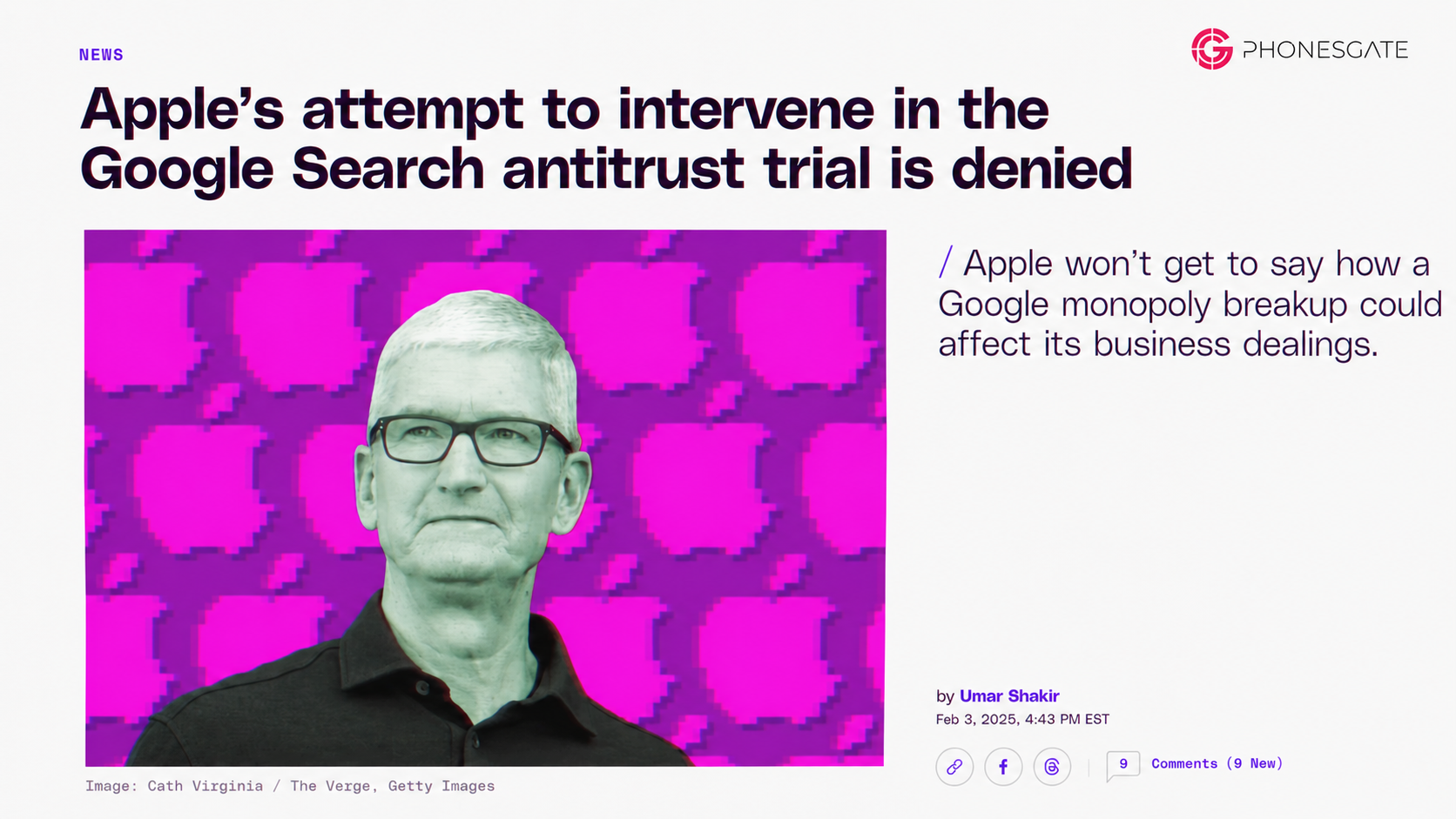
What happens if the Apple–Google search deal changes?
There are several possible outcomes if legal decisions or commercial strategy alter the relationship.
Scenario one: Google remains the default without the same payment structure
Apple could conclude that Google remains the most practical default because users expect it and the service performs well. The commercial terms could change while the visible user experience remains largely the same.
Scenario two: Apple introduces a choice screen
Users could be asked to choose a search provider during setup or browser configuration. This approach would reduce the power of a single automatic default, although interface design would still influence behavior.
Scenario three: AI assistants take part of the search role
Traditional search is increasingly challenged by conversational AI. For questions requiring explanation, comparison or synthesis, users may prefer an assistant that produces a direct answer rather than a list of links.
Apple could integrate multiple AI providers, route different requests to different systems or use its own models for selected tasks. This would not immediately replace web search, but it could reduce the number of queries flowing through a traditional search engine.
Scenario four: Apple develops a broader search product
Apple already operates search and indexing technologies inside its ecosystem. Expanding those systems into a full public search product would be a much larger step.
The challenge is not only technical. Global search requires crawling infrastructure, ranking systems, anti-spam defenses, advertising economics, local relevance and continuous investment.
Apple may prefer to control selected search experiences rather than recreate the entire web-search business.
Samsung and Google: the partnership that defines Android
Samsung and Google compete through Galaxy and Pixel phones, but their partnership is even more fundamental than the Apple–Google search agreement.
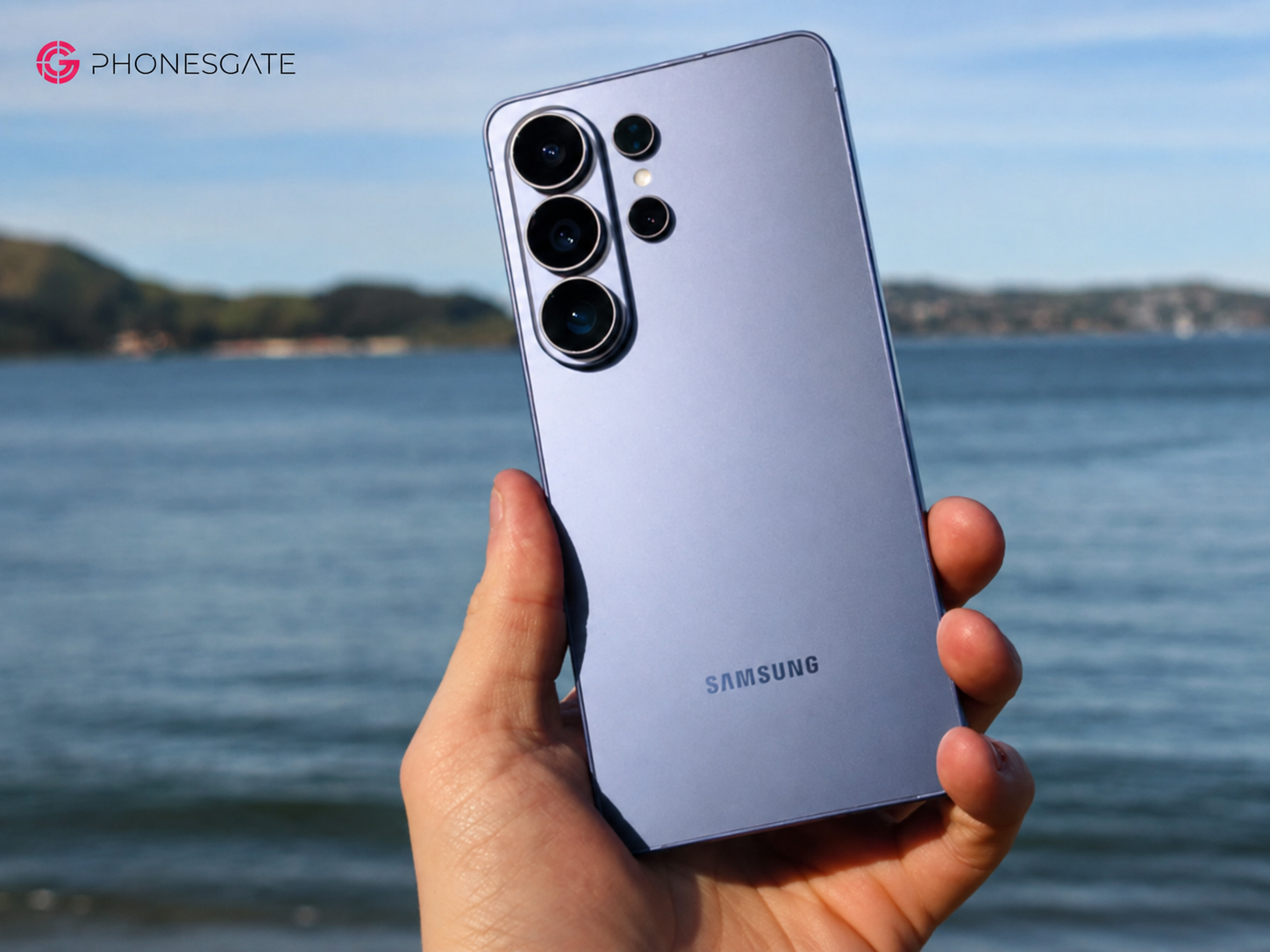
Samsung's smartphone business is built on Android and the wider Google services ecosystem in many global markets. Google, meanwhile, relies on Samsung to bring Android, the Play Store and Google services to a far larger audience than Pixel hardware reaches on its own.
Why Samsung needs Google
Android provides the foundation for Samsung's mobile software. Google services add the application store, maps, video, cloud synchronization, productivity tools, security infrastructure and developer ecosystem expected by many buyers.
Samsung adds its own interface, applications, hardware integrations and ecosystem features, but replacing Google's platform would be extremely difficult in markets where users expect access to mainstream Android applications and services.
Samsung has enough scale to influence Android, yet Android reduces the cost of building and maintaining a complete operating-system ecosystem alone.
Why Google needs Samsung
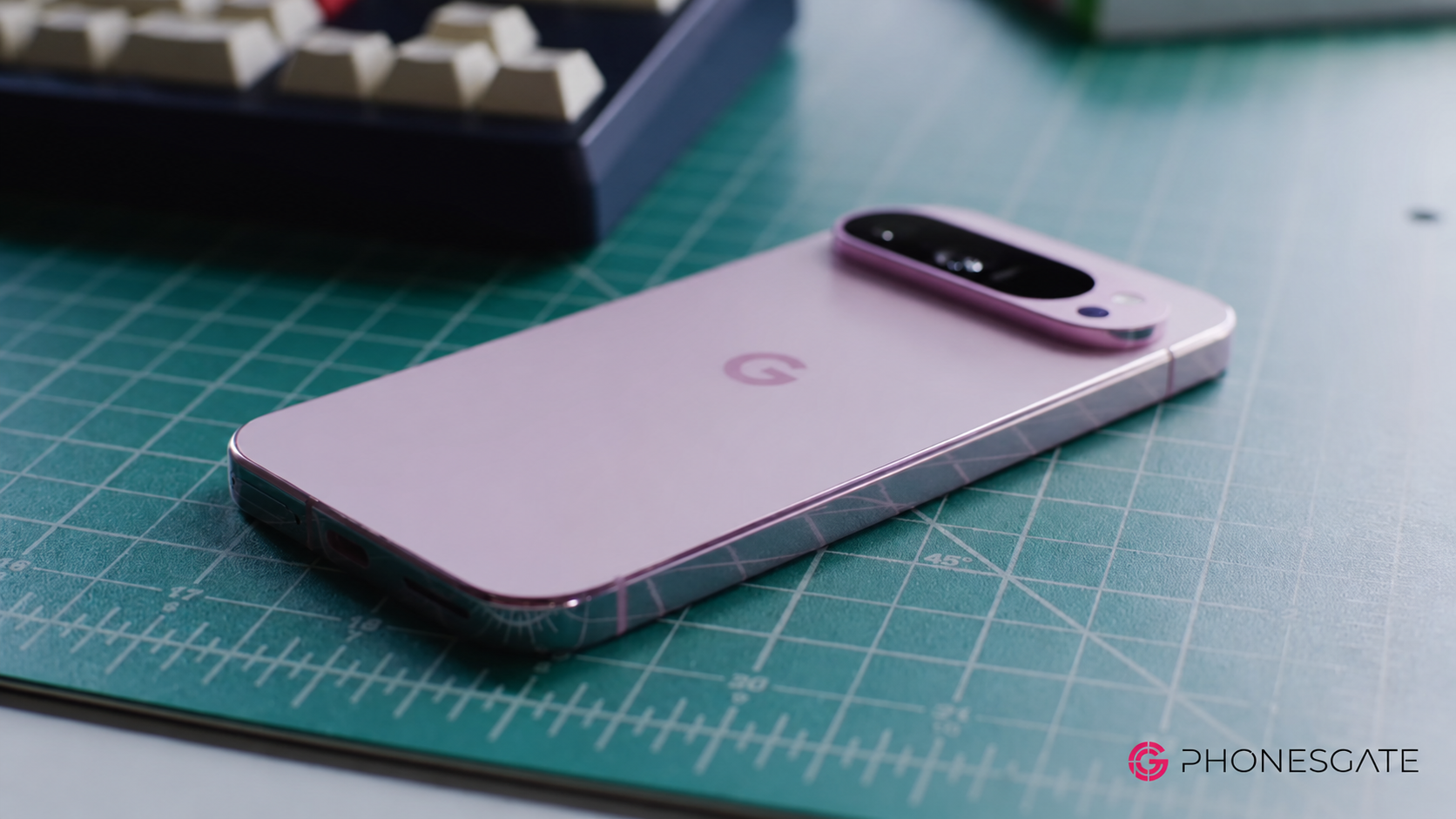
Pixel phones are strategically important because they let Google develop hardware and software together. They demonstrate new Android features, establish design direction and create a direct relationship with users.
But Pixel does not provide the same global reach as Samsung. In many countries, Samsung is the best-known Android manufacturer and has stronger distribution, carrier partnerships, retail presence and product coverage.
When Google wants a feature such as an AI assistant, visual search tool or wearable platform to reach a mass audience, Samsung is one of the most effective partners available.
Why some Google features debut on Galaxy devices
Launching a feature on both Pixel and Galaxy hardware can appear unusual because the devices compete. Strategically, however, it makes sense.
Pixel demonstrates Google's integrated vision. Galaxy provides immediate scale. A feature available only on Pixel may receive attention, but a feature distributed through Samsung can reach far more users.
This is especially important for AI services, which improve through usage, developer adoption, feedback and ecosystem visibility.
Samsung also protects Google from Android fragmentation
Android allows manufacturers to customize their products, but too much divergence can weaken the platform. If major manufacturers replace core services or move away from common standards, the ecosystem becomes harder for developers and users to navigate.
A close relationship with Samsung helps Google keep the largest Android manufacturer aligned with important platform initiatives. Samsung gains early access and influence; Google gains consistency and distribution.
Pixel and Galaxy are competitors, but they play different roles
The Pixel line represents Google's reference experience. It often emphasizes computational photography, software integration, AI and rapid access to platform features.
Galaxy devices operate at a different scale. Samsung serves entry-level, mid-range, premium and foldable segments. Its ecosystem includes tablets, watches, earbuds, televisions and home appliances.
This means Pixel does not need to outsell Galaxy globally to be strategically valuable. Google can use Pixel to guide Android while Samsung delivers Android to the mass market.
Samsung, in turn, benefits from Google's investment in the operating system, AI models, application distribution and developer tools.
Apple's role: the ecosystem outside Android
Apple differs from Samsung because it controls its operating system and major platform services. The iPhone does not depend on Android or the Play Store.
However, Apple's independence is not absolute. Its ecosystem still interacts with Google services, external component suppliers, mobile networks, semiconductor manufacturing partners and third-party applications.
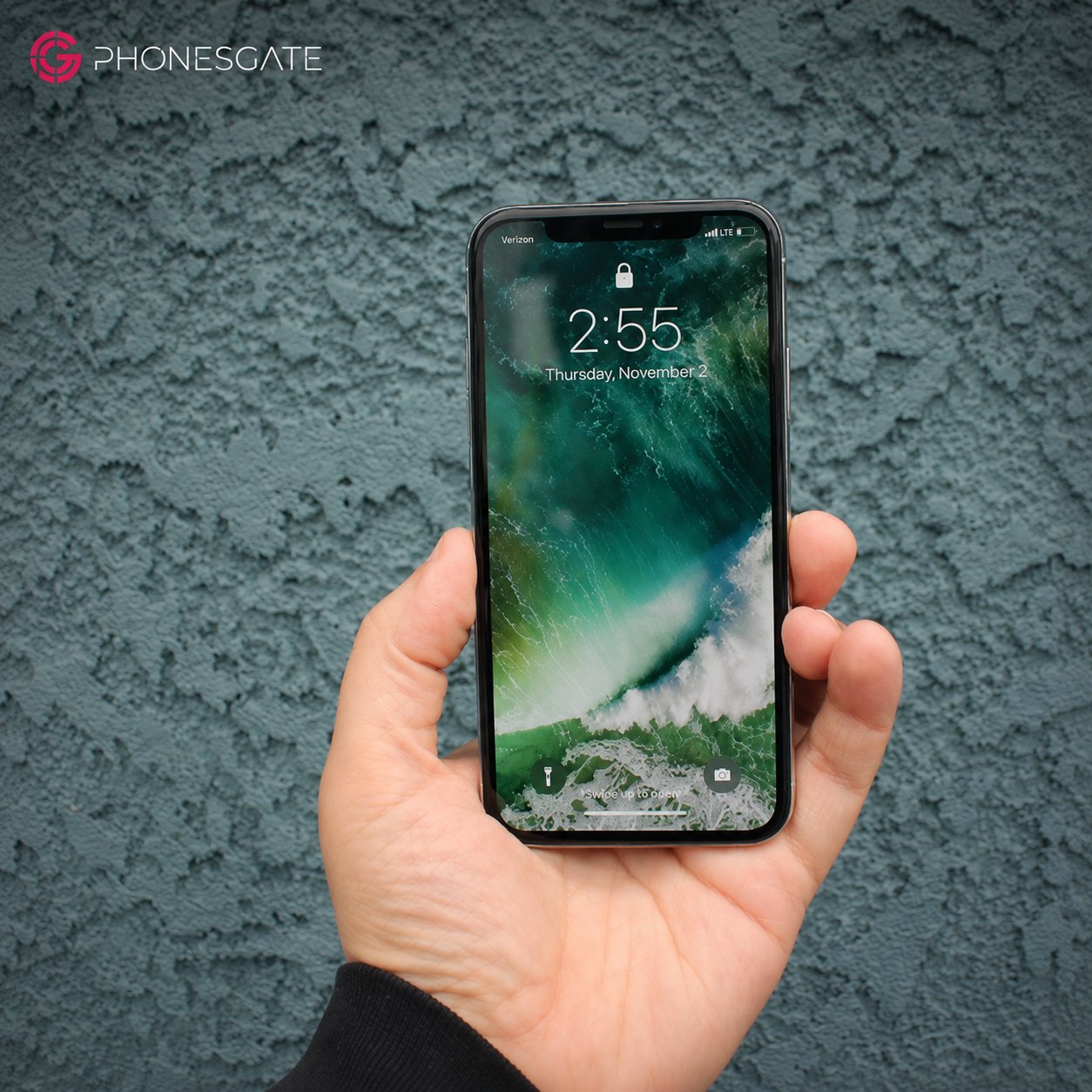
Apple's advantage is that it controls more layers of the product than most manufacturers. Its risk is that greater control creates greater responsibility. When Apple replaces a partner, it must match the partner's scale, quality and reliability.
The three-way dependency
Relationship What one side provides What the other side provides Strategic value Samsung ↔ Apple Displays and other components Large, predictable component orders Manufacturing scale and revenue Google ↔ Apple Search and selected services Access to a large premium user base Distribution and services income Google ↔ Samsung Android, Play services and AI platforms Global device distribution Android scale and ecosystem reach
Money is important, but strategy matters more
It is tempting to reduce every partnership to a payment. Money is clearly central, but strategic risk often matters just as much.
Samsung wants factory utilization and customer diversification. Apple wants reliable components and control over the user experience. Google wants distribution for search, Android and AI services.
Each company is balancing two objectives:
- capture as much value as possible from its own ecosystem;
- avoid spending years rebuilding capabilities that partners already provide effectively.
The strongest companies are not necessarily those that build everything internally. They are the ones that know which layers must be controlled and which can be purchased without surrendering long-term leverage.
Artificial intelligence could reshape every relationship
AI introduces a new competitive layer because it sits between the user and traditional applications. An assistant may answer questions, summarize content, recommend actions and interact with services without requiring the user to open individual apps.
This affects all three companies.
For Google
AI could strengthen Google's ecosystem if its models become the default intelligence layer across Android and other platforms. It could also weaken traditional search advertising if users receive direct answers without visiting search-result pages.
For Apple
AI gives Apple an opportunity to reduce reliance on external search and cloud services, but building competitive models and infrastructure is expensive. Apple may combine on-device processing with selected external providers rather than depend on a single partner.
For Samsung
Samsung can differentiate Galaxy devices through AI features, but many underlying capabilities may come from Google or other partners. Samsung's challenge is to create a distinct user experience without losing access to the strongest available models and services.
Could Samsung leave Android?
Technically, Samsung could develop or expand another operating system. Commercially, leaving Android would be extremely difficult.
The problem is not simply creating an interface. Samsung would need an application ecosystem, developer support, payment services, maps, cloud synchronization, security updates and compatibility with the services users already rely on.
Android gives Samsung a mature foundation while still allowing significant customization. Unless Google's terms became strategically unacceptable, remaining inside Android is far less risky than attempting a complete replacement.
Could Apple stop using Samsung displays?
Apple can reduce dependency by using multiple suppliers or developing new display technologies. It may also shift individual product lines gradually rather than replace Samsung across every device at once.
The main constraint is manufacturing scale. A new supplier must meet quality standards while producing enough panels for one of the world's highest-volume premium products.
Samsung's role can decline without disappearing entirely. Apple often uses competition between suppliers to improve pricing and reduce risk.
Could Google reduce its dependence on Samsung?
Google can grow Pixel sales and work with more Android manufacturers, but Samsung's scale is difficult to replace. The more successful Samsung is, the more valuable it becomes as a distribution partner.
Google's long-term strategy is therefore not to eliminate Samsung's importance. It is to ensure that Android, Play services and Google AI remain valuable enough that Samsung prefers partnership over deeper independence.
What consumers gain from these partnerships
Interdependence can benefit consumers when it combines specialized capabilities. Apple can use high-quality displays without operating every display factory. Samsung can use a mature operating system while focusing on hardware and ecosystem breadth. Google can distribute Android innovations through devices sold at global scale.
The benefits include:
- faster adoption of new display technologies;
- greater application compatibility;
- more consistent access to maps, search and cloud services;
- lower development costs than fully isolated ecosystems;
- competition across hardware, software and services.
The risk is that a small number of companies gain too much control over distribution, defaults and essential infrastructure.
What regulators are concerned about
Regulators are generally less concerned that companies cooperate and more concerned about the terms of that cooperation.
A supply agreement for displays is different from an exclusive default arrangement that may prevent competitors from reaching users. The first is primarily a manufacturing relationship. The second can influence market access and consumer choice.
Key questions include:
- Can users easily choose an alternative?
- Can competing services obtain fair access?
- Does a payment protect product quality or block competition?
- Does platform control allow one company to disadvantage rivals?
These questions will become even more important as AI assistants replace some functions previously performed by browsers, search engines and applications.
PhonesGate take: cooperation is part of the competition
The central mistake is assuming that competition requires complete separation. In technology, companies often compete most effectively because they can buy specialized capabilities from one another.
Samsung supplying Apple does not make the Galaxy–iPhone rivalry less real. Google supporting Samsung does not make Pixel irrelevant. Apple using Google services does not mean Apple lacks ecosystem control.
Each relationship is a negotiation over value and dependency. The companies cooperate while continuously working to prevent the partner from becoming too powerful.
Samsung invests in its own devices while selling components to rivals. Apple diversifies suppliers and develops more technology internally. Google builds Pixel hardware while making Android indispensable to Samsung.
This is not friendship. It is strategic interdependence.
Frequently asked questions
Why does Samsung make displays for Apple?
Samsung's display division earns revenue by selling high-quality panels at large scale. Supplying Apple can be more profitable and predictable than refusing business in the hope of selling additional Galaxy phones.
Does Samsung make every iPhone screen?
No. Apple can use multiple display suppliers depending on model, production volume and generation. Samsung has often been an important supplier because of its OLED manufacturing scale and quality.
Why has Google paid Apple for search placement?
Default placement on Apple devices provides Google with valuable search traffic. Apple benefits from services revenue and from offering users a familiar search provider.
Could Apple replace Google Search?
Apple could change the default, introduce user choice, integrate AI providers or expand its own search capabilities. Replacing global web search completely would require significant infrastructure and investment.
Why does Google promote features on Samsung phones?
Samsung offers much greater Android distribution than Pixel alone. Launching features on Galaxy devices helps Google reach more users and accelerate adoption.
Why does Samsung continue using Android?
Android provides a mature application ecosystem, Google services and global developer support. Replacing it would introduce major commercial and compatibility risks.
Are Apple, Samsung and Google partners or competitors?
They are both. They compete in devices, software and services while cooperating in components, distribution and platform infrastructure.
PhonesGate verdict
Apple, Samsung and Google do not need each other in exactly the same way, but none operates in complete isolation.
Apple needs manufacturing partners capable of meeting premium quality at global scale. Samsung benefits from selling both finished devices and critical components. Google needs hardware partners and platform access to distribute Android, search and AI services.
These relationships survive because the economic and strategic benefits are greater than the value of total separation. They will continue to evolve as Apple diversifies suppliers, Google faces pressure around search defaults, Samsung expands its AI strategy and regulators examine platform power.
The public rivalry will remain. It helps sell products and define brands. Behind it, however, the industry will continue to depend on cooperation.
For consumers, the most important question is not whether the companies work together. It is whether those agreements improve products while preserving meaningful competition and user choice.