

Apple Watch Series 12 looks familiar at first glance, but this generation is much more than a new color and a faster chip. Apple has rebuilt the health-sensing hardware, increased how often the watch measures heart rate and HRV, added a new Readiness score, improved workout battery life, accelerated charging and introduced new Apple Intelligence features designed specifically for the wrist.
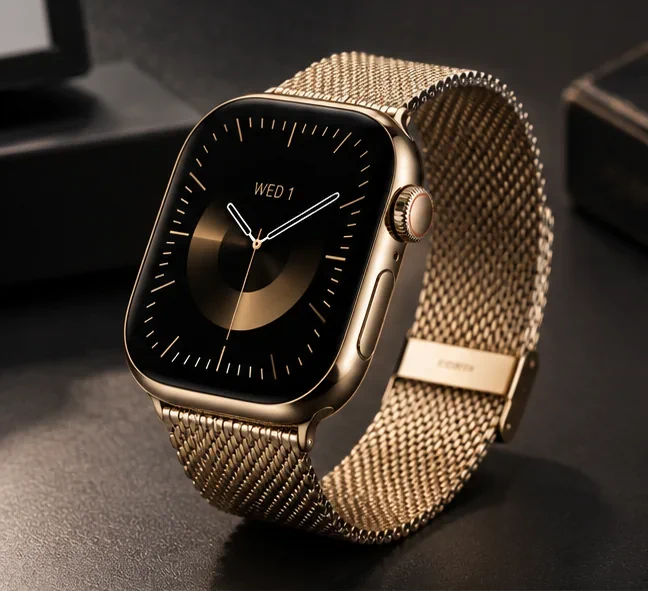
Starting at $399, Series 12 remains Apple’s mainstream smartwatch rather than the rugged Ultra alternative. It comes in 42mm and 46mm sizes, with aluminum, titanium and ceramic cases, while the new S11 chip and Health Sensing System create a much clearer reason to upgrade than the exterior alone suggests.
This is not a hands-on review. PhonesGate is treating Series 12 as a feature analysis based on the finalized 2026 hardware and software specification, with the focus on which changes are likely to matter in everyday use.
Key takeaway
Apple Watch Series 12 adds a redesigned Health Sensing System, five-second heart-rate sampling, more frequent HRV tracking, Readiness, faster charging, S11 and new Apple Intelligence features. Here are the seven upgrades that matter most.
1. The new Health Sensing System is the real upgrade
The most important change in Series 12 is the redesigned health-sensing hardware on the back of the watch. Apple has reworked the optical and electrical heart-sensor system and paired it with larger, more power-efficient green LEDs.
The practical result is that Series 12 can measure heart rate every five seconds throughout the day. That is a major shift from the less frequent passive sampling used by previous generations. More data does not automatically mean better health, but it gives the software a denser picture of what is happening across rest, work, stress and exercise.
9 min read
Apple coverage from PhonesGate. Published Sep 20, 2026.
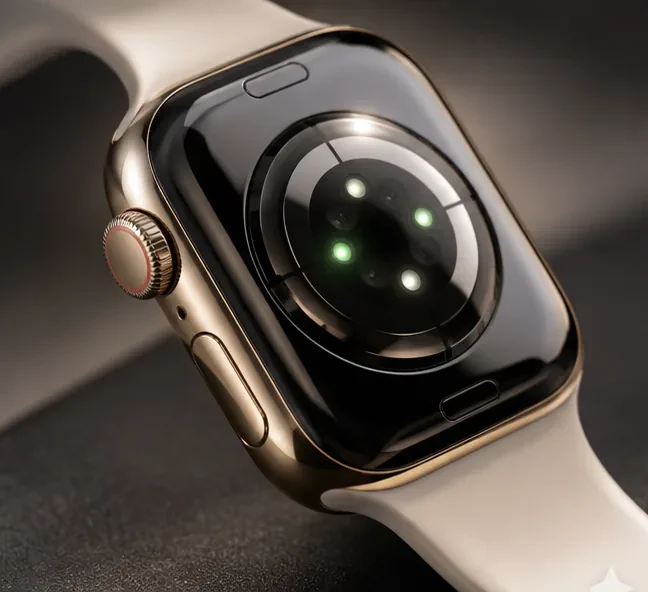
Apple also says HRV is now measured up to 24 times more often. Heart-rate variability is useful because it can reflect changes in recovery, stress and physiological load. Series 12 separates recovery HRV from broader HRV trends, making the data easier to interpret instead of burying everything in one number.
This is exactly the kind of improvement that makes sense on a smartwatch. The screen is still important, but the unique value of wearing a device all day is the ability to collect information that a phone cannot.
2. Readiness finally turns health data into an answer
Smartwatches have become very good at collecting data and surprisingly bad at answering a simple question: What should I do with it?
Series 12 tries to fix that with the new Readiness feature. It analyzes recent activity, training load, sleep score and vitals, then produces a daily score from 0 to 10 with a recommendation such as Recover, Pace Yourself, Ready or Go For It.
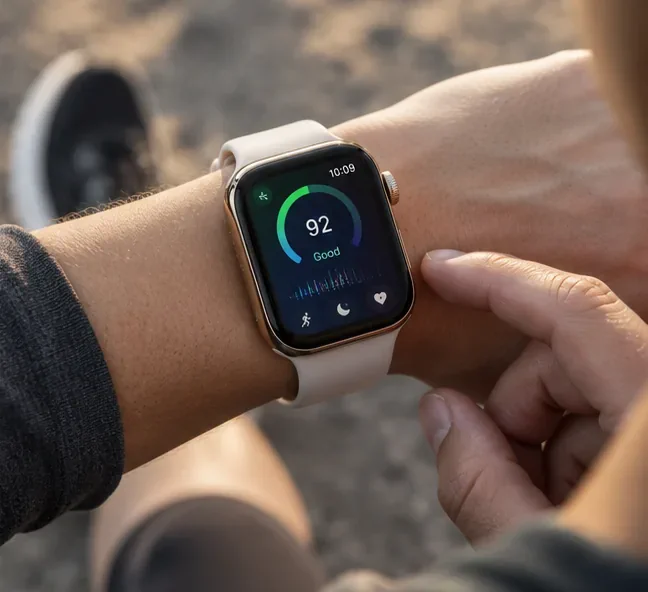
The interesting part is that the score is not frozen in the morning. It can update through the day as new data comes in. A hard workout, a change in daytime vitals or signs of poor recovery can change the recommendation.
That makes Series 12 feel less like a passive tracker and more like a wearable trying to interpret the information it collects. For people who already use Oura, Whoop or recovery-focused training platforms, Readiness may be the feature that makes Apple Watch more competitive as a complete health device.
3. Heart-rate tracking is now much more continuous
The new sensor system is not only about a better optical module. The S11 chip allows the watch to process more frequent measurements efficiently enough to run in the background without destroying battery life.
Apple now presents live heart rate more prominently, including a new complication that can show the current reading directly on the watch face. Higher-frequency measurements also feed into Exercise rings, Vitals and recovery calculations.
For ordinary users, this means fewer gaps between measurements. For fitness users, it means the watch has more data to understand training and recovery. And for users who simply want better long-term trends, it means the watch is building a richer baseline throughout the day.
4. The S11 chip is about health and AI, not just speed
Every new Apple Watch gets a new chip, but S11 matters because it is doing more than making menus feel faster. It powers the higher-frequency health sampling, revised step-tracking algorithms and the next generation of Apple Intelligence features on the watch.
Series 12 includes a four-core Neural Engine and 64GB of storage. With watchOS 27 and a compatible iPhone, Siri gains more contextual awareness and can answer broader questions directly from the wrist.
The more unusual change is Audio Intelligence. Sound Recognition can alert users to important sounds such as alarms, sirens, doorbells or a baby crying. Shazam becomes faster and more integrated. Live Rewind and Siri Recap are designed to help users recover key parts of conversations or generate summaries later, although some of these features arrive in beta and availability varies by language and region.
That pushes Apple Watch into a new category. It is no longer only listening for voice commands. It is beginning to use audio as another contextual input, which could become one of the more important wearable-AI trends over the next few years.
5. Battery life is still 24 hours, but charging is far more useful
Apple still rates Series 12 for up to 24 hours of everyday battery life. That number may sound disappointing next to some multi-day competitors, but the more meaningful improvements are hidden inside the details.
Outdoor workout battery life increases to as much as 10 hours, which Apple says is 25 percent more than the previous model. That matters for long hikes, cycling, endurance runs and users who depend on GPS without carrying an iPhone.
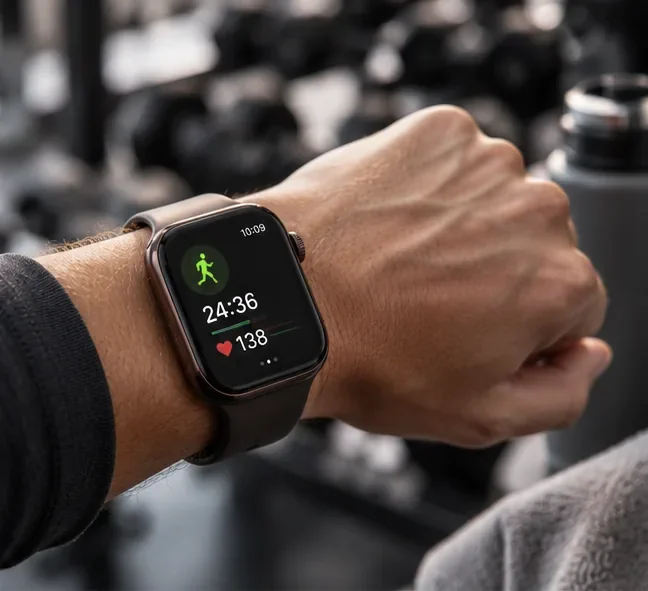
Charging is also faster. Apple says 15 minutes of charging can provide up to 12 additional hours of use. That changes the practical experience more than a modest battery-capacity increase would. A quick charge while showering or getting ready can be enough to cover the rest of the day or a night of sleep tracking.
For a watch designed to be worn both day and night, charging flexibility matters almost as much as total endurance.
6. The design is familiar, but the materials are more interesting
Apple has not radically redesigned the Series 12 case, and that is probably intentional. The shape remains instantly recognizable, with 42mm and 46mm sizes and an Always-On Retina display based on wide-angle OLED and LTPO3 technology.
Peak brightness reaches 2,000 nits, while the display can drop to 1 nit in dark environments. Aluminum versions use Ceramic Shield 2, while titanium and ceramic versions use sapphire front crystal.
The bigger visual story is the expanded material lineup. Aluminum comes in dark bronze, light gold, black and space gray. Titanium is available in radiant gold and natural. And ceramic returns in pearl white and night blue.
The ceramic models are especially interesting because they give the standard Series 12 a much more distinctive luxury option without requiring buyers to move to an Hermès edition. The radiant-gold titanium model also changes the character of the device completely, especially with a matching Milanese-style band.
7. Series 12 is becoming a stronger long-term health platform
Series 12 still includes the familiar Apple Watch health features: ECG, blood oxygen where available, temperature sensing, sleep tracking, sleep apnea notifications, hypertension notifications, cycle tracking and high/low heart-rate alerts.
What changes is the way those features fit together. Higher-frequency heart-rate measurements feed Vitals. Vitals feeds Readiness. Readiness sits alongside sleep score, training load and recovery. Apple’s redesigned Health app then organizes the longer-term data through new Insights and Longevity views.
That means Apple is no longer treating each sensor feature as a separate headline. Series 12 is moving toward a single health system where the value comes from combining multiple signals over time.
For users who wear the watch consistently, that could be more important than any single new sensor.
Should you upgrade from Series 11?
If you already own Series 11, the decision is not obvious. The exterior is similar, everyday battery life remains rated at 24 hours, and many watchOS 27 features are software-based.
The strongest reasons to upgrade are the new Health Sensing System, much more frequent HRV and heart-rate tracking, Readiness, faster charging and the S11-powered Audio Intelligence features.
For someone coming from Series 8 or older, the difference is much easier to justify. You gain a brighter, more refined display, improved durability, a much broader health feature set, newer connectivity and several generations of software improvements at once.
Who is Apple Watch Series 12 for?
Series 12 makes the most sense for iPhone users who want health tracking without moving to the larger and more expensive Apple Watch Ultra. It is especially attractive to people who care about recovery, sleep, training trends and heart-rate data but still want a normal-looking watch they can wear to work or at night.
It also remains one of the easiest smartwatches to recommend to someone already inside the Apple ecosystem because the value is not limited to fitness. Notifications, calls, payments, navigation, apps, safety tools and Siri all live in the same device.
PhonesGate verdict
Apple Watch Series 12 is a better upgrade than its familiar design suggests.
The case shape has not changed dramatically, but Apple has rebuilt the parts that matter most for a wearable: the health sensors, the frequency of measurement, recovery interpretation, workout endurance, charging speed and on-device intelligence.
The new Health Sensing System is the centerpiece, but Readiness may be the feature users notice most because it finally turns a large amount of health data into a simple daily recommendation. Faster charging makes overnight tracking easier, while S11 gives Apple enough processing power to push the watch deeper into health and AI without abandoning the compact design.
At $399, Series 12 is not cheap. But it now feels less like an annual smartwatch refresh and more like the beginning of Apple’s next phase for wearable health.
For dimensions, storage, display specifications and model details, see the PhonesGate Apple Watch Series 12 device page.
Editorial disclosure: PhonesGate has not physically tested Apple Watch Series 12 for this article. The images used here are AI-generated editorial visualizations created for PhonesGate and are not documentary product photographs.