

Google's Pixel 11 family is better almost everywhere, but the first impression is strangely familiar: the phones feel polished, clever and unmistakably Pixel without delivering the kind of hardware leap that would reset expectations for Android flagships.
The 2026 lineup covers the Pixel 11, Pixel 11 Pro, Pixel 11 Pro XL and Pixel 11 Pro Fold. Across the family, Google is leaning on the new Tensor G6 platform, brighter displays, refreshed cameras, faster wireless charging and a new rear notification-style light called HiLight. The problem is that several of those upgrades feel incremental, while pricing has moved upward.
This is an early impressions review, not a final long-term verdict. Battery life, sustained Tensor G6 performance, camera consistency and thermals need more testing. But after spending time with the lineup, the direction is already clear: Google still believes software intelligence matters more than winning every hardware specification battle.
Key takeaway
Hands-on impressions of the Google Pixel 11, Pixel 11 Pro, Pro XL and Pro Fold: smarter software, better cameras and brighter displays, but higher prices and mostly incremental hardware changes.
First impressions: unmistakably Pixel
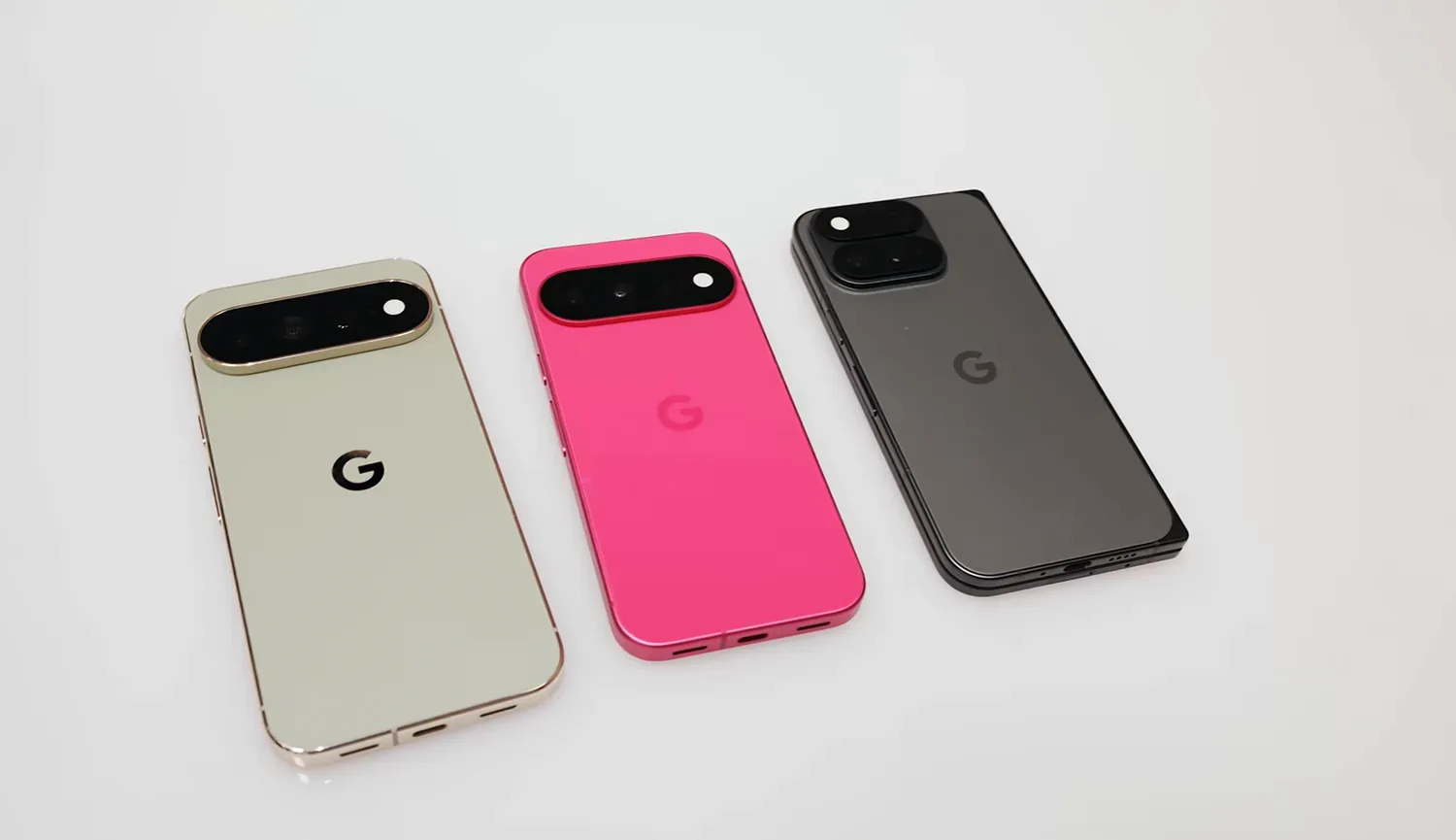
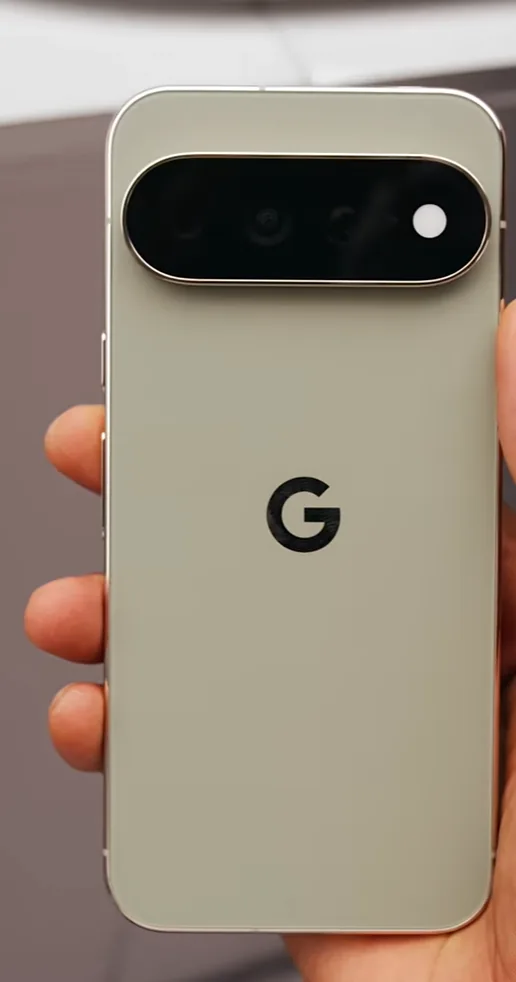
The most obvious thing about the Pixel 11 generation is how little Google has tried to reinvent its visual identity. The familiar camera-bar language remains, the overall silhouettes are recognizable and the Pro models still lean into a more premium finish. That is not necessarily a weakness. Pixel phones have finally reached the point where they look like a coherent family instead of yearly experiments.
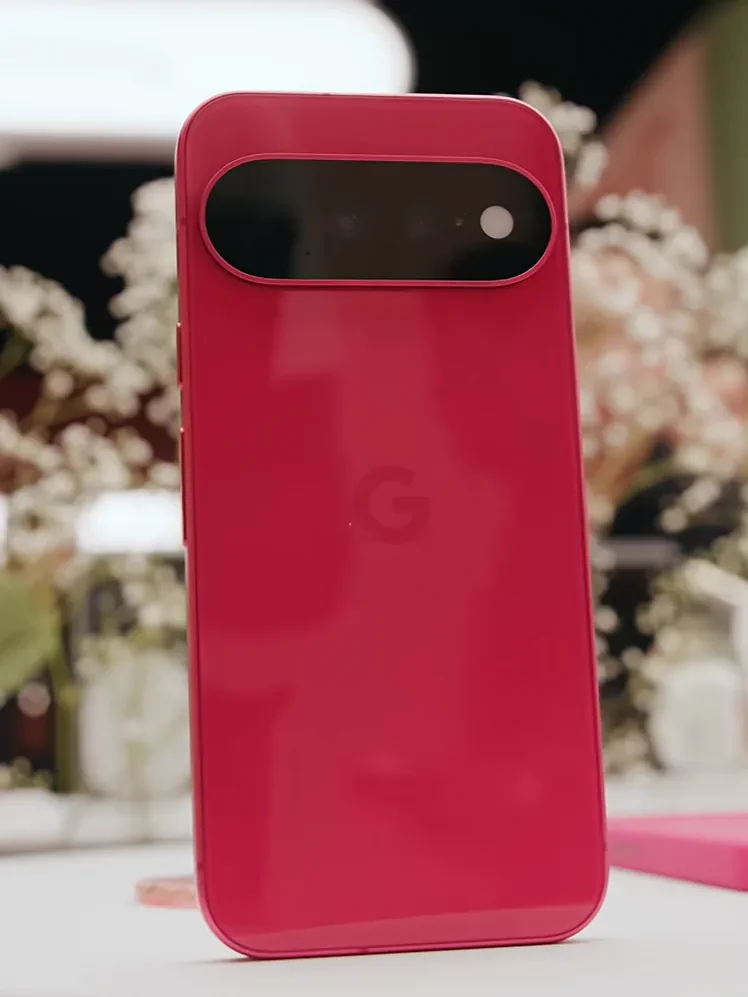
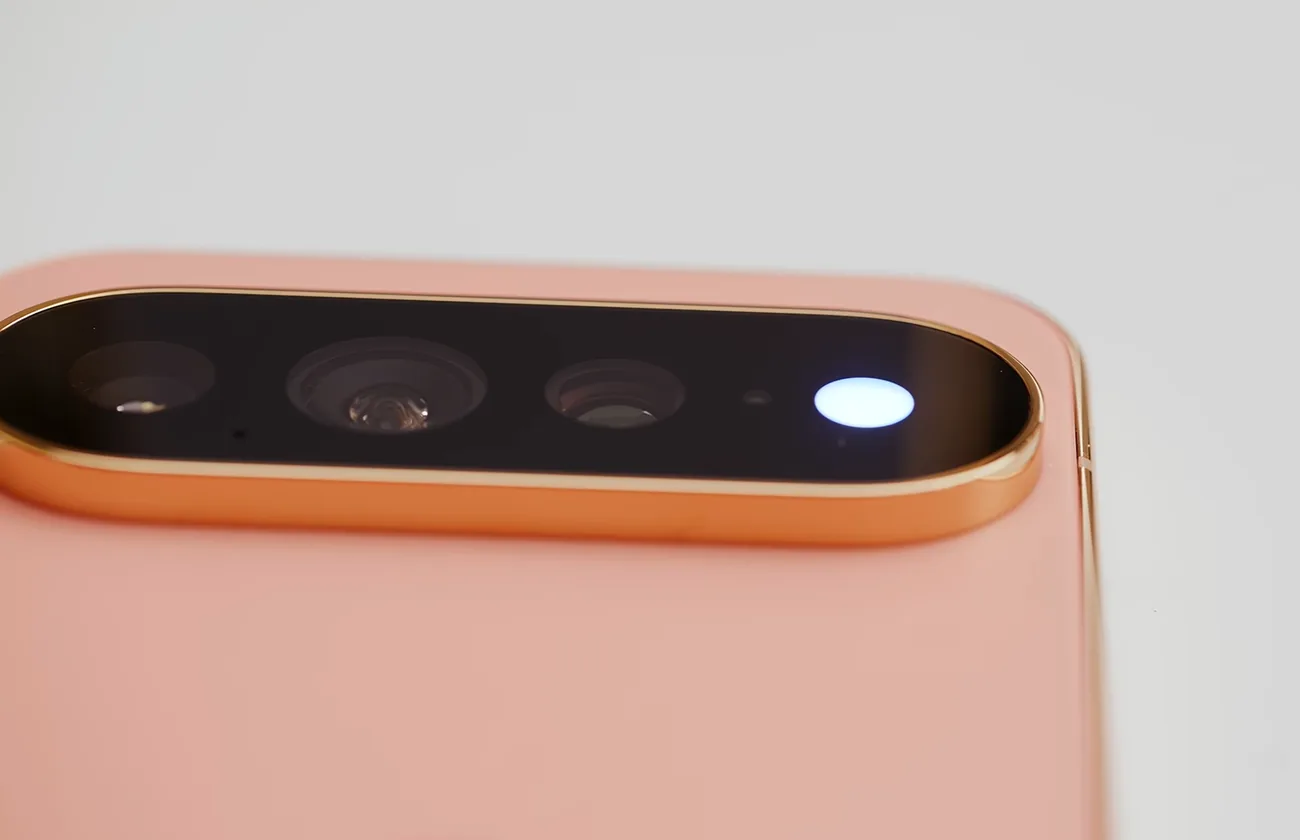
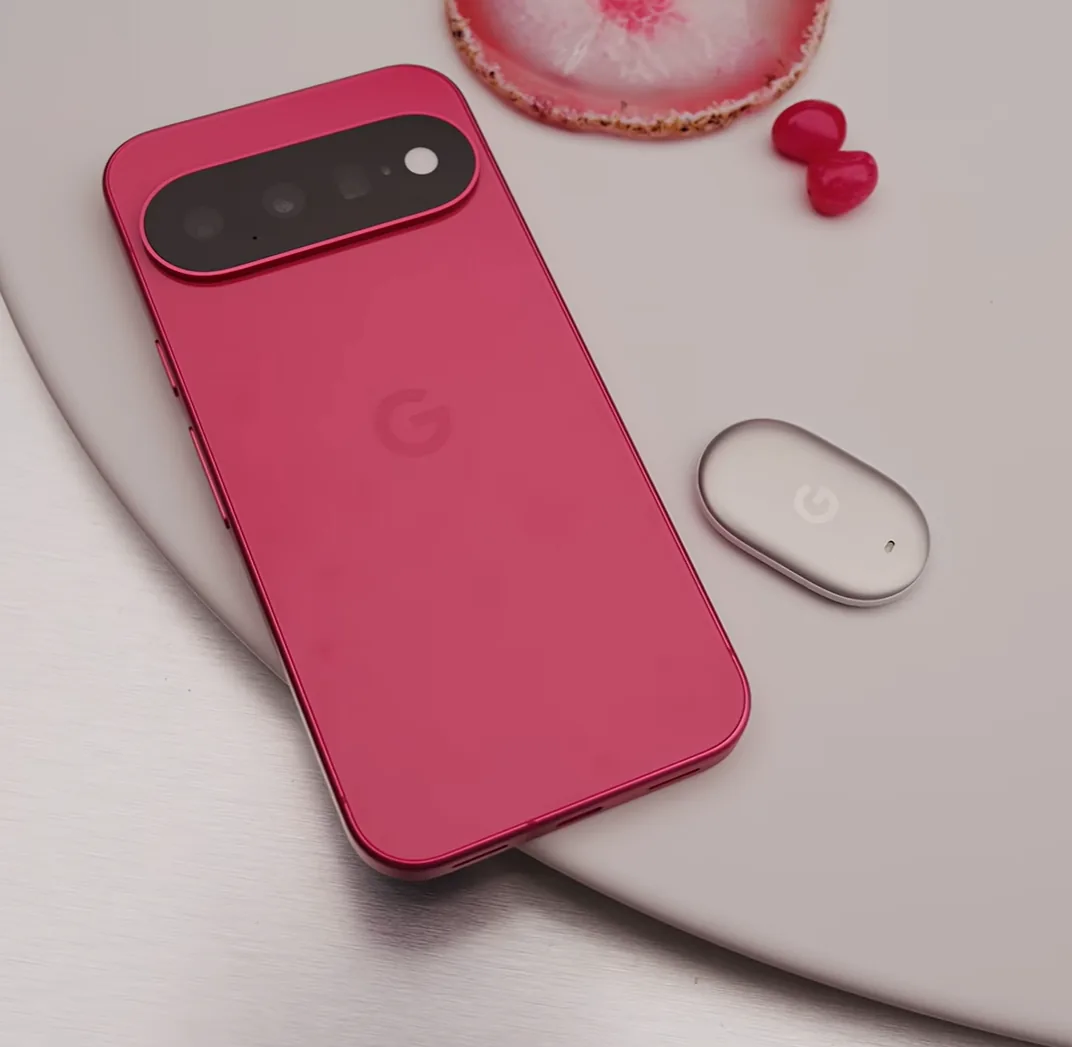
The base Pixel 11 gets one of the more noticeable visual changes simply because of its bright new color options. The camera bump is also less protrusive, and Google's first-party case is designed to sit nearly flush with it. Small details like this matter more in daily use than another millimeter of spec-sheet bragging rights.
11 min read
Google coverage from PhonesGate. Published Aug 13, 2026.
HiLight is interesting hardware with surprisingly limited ambition
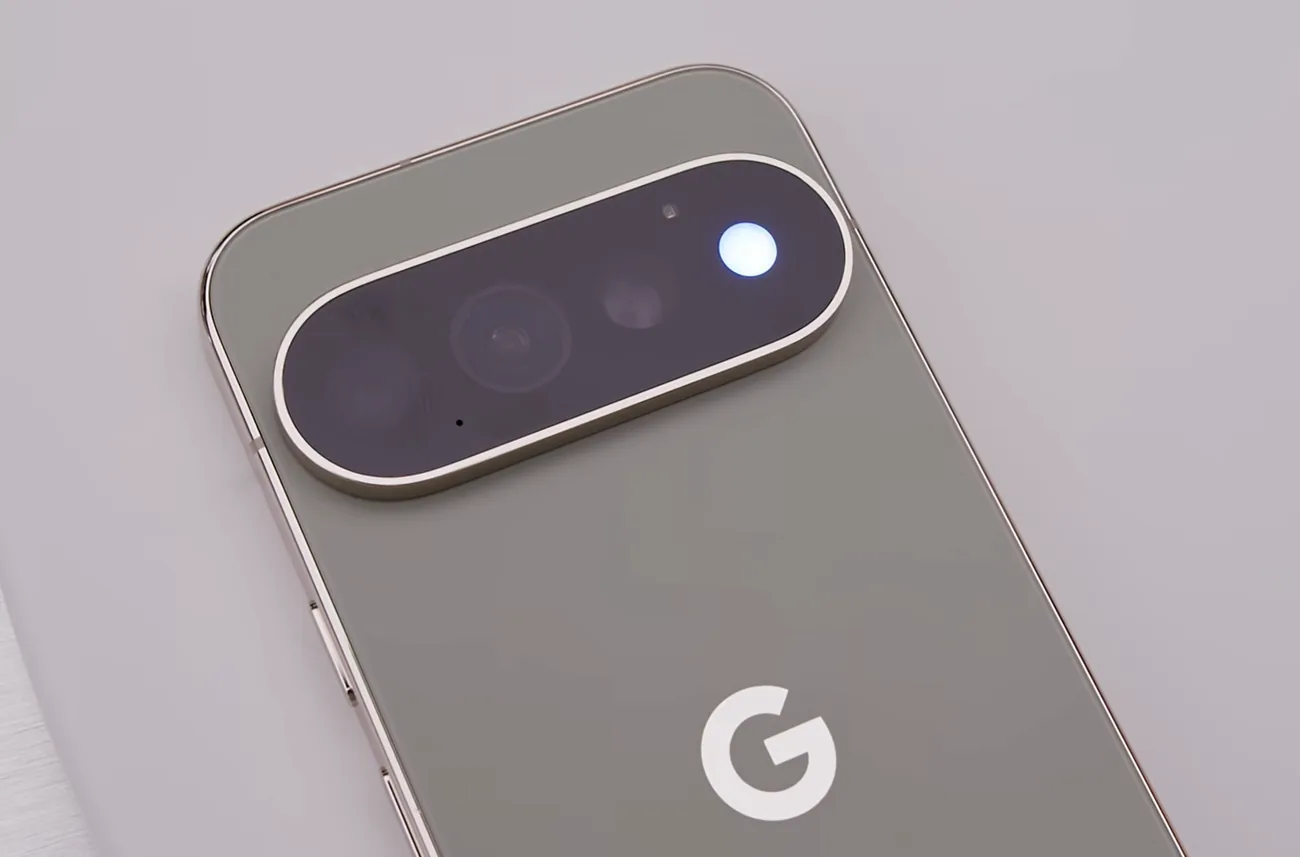
The new feature that best summarizes this generation may be HiLight. Every new Pixel, from the base model to the Pro Fold, integrates a small multicolor light into the rear camera area. It can glow during Gemini interactions and signal calls from selected contacts.
That sounds fun — until you look at how restricted it is. The current implementation does not behave like a fully configurable notification light. There is no broad third-party support, no obvious way to assign it to every app notification and none of the deeper face-down interaction ideas that could turn it into a real secondary information surface.
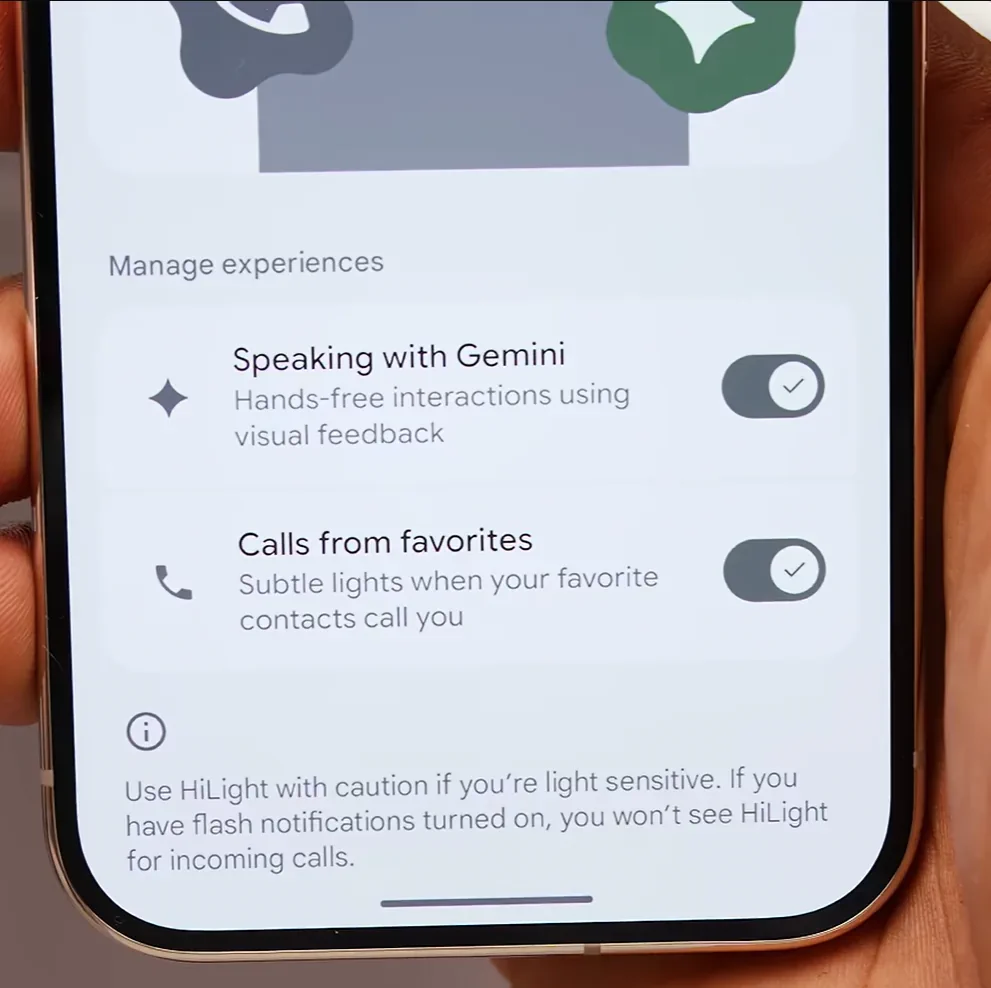
That makes HiLight feel like classic Google: clever hardware, clean integration and a feature that seems one software update away from becoming much more useful. The opportunity is obvious. Let developers use it. Let users assign colors to apps, timers, charging states, navigation alerts and smart-home events. The hardware is already there.
Pixel 11: probably the smartest buy in the lineup
The base Pixel 11 may be the most important phone here because it receives meaningful practical upgrades without trying to justify the Pro family's much higher pricing.
The main camera moves to a larger 48MP sensor, while the phone retains an ultrawide and a 5x telephoto. That gives the non-Pro Pixel a genuinely flexible camera system instead of forcing buyers into the premium tier just to get useful optical reach.
Wireless charging rises to 25W, PixelSnap magnets remain, and Tensor G6 is paired with 12GB of RAM. Base storage also finally moves to 256GB. The catch is price: the lower 128GB entry point disappears, pushing the starting price to around $899.
That makes the value equation more complicated, but it still looks like the Pixel 11 may capture most of what matters about the new generation. You get the Google software experience, the new chip, HiLight, a versatile camera system and 256GB of storage without stepping into four-figure Pro territory.
Pixel 11 Pro and Pro XL: better cameras, brighter screens, higher expectations
The Pro models continue in two sizes: roughly 6.3 inches for the Pixel 11 Pro and 6.8 inches for the Pro XL. The exterior is familiar, but the rear camera bar has been cleaned up with edge-to-edge glass across the module.
The camera hardware gets more serious. The main sensor moves to 50MP and is described as a relatively large 1/1.3-inch unit, while the telephoto is now 48MP and the ultrawide remains 48MP. On paper, that gives Google plenty of raw material for its computational imaging stack.
The Super Actua display is not dramatically different in resolution or refresh rate, but peak brightness rises to a claimed 3,600 nits. That is the kind of upgrade that rarely looks exciting in a launch slide yet becomes obvious outdoors.
Wireless charging is again faster at 25W, but Google's broader hardware conservatism becomes harder to ignore at Pro pricing. Rivals are pushing much larger silicon-carbon batteries, significantly faster wired charging and increasingly aggressive camera hardware. Google is still betting that the Pixel experience can justify not chasing those numbers.
The RAM downgrade makes the Pro pricing harder to swallow
One of the stranger decisions is memory configuration. The entry Pixel 11 Pro with 256GB storage moves to 12GB of RAM, while the more expensive 512GB and 1TB versions get 16GB. At the same time, the Pro's starting price rises to around $1,099, with the Pro XL beginning around $1,299.
That is not automatically a performance disaster — 12GB is still substantial for Android — but it is difficult to frame as progress when the previous Pro generation offered more memory at a lower entry price. The upgrade story becomes less convincing when the buyer is asked to pay more while one headline specification goes backward.
Tensor G6: the Pixel philosophy in silicon
Tensor G6 is central to the lineup, but Google's approach remains different from brands that build their marketing almost entirely around benchmark leadership. The Pixel has historically prioritized on-device intelligence, camera processing and Google-specific software features over raw peak performance.
Early hands-on use feels smooth, as expected. The more important questions will come later: sustained gaming performance, efficiency, modem behavior, heat and whether Tensor G6 meaningfully improves battery life.
Google is already tying the chip to features such as faster Night Sight, smoother zoom during 8K video and deeper Gemini integration. That is exactly where the Pixel needs to prove its case. If Tensor cannot beat every rival in raw performance, it has to enable experiences that competitors cannot replicate as elegantly.
Pixel software is still the reason to buy a Pixel
Nine generations after the Pixel 2 era, Google's strongest argument remains software. Features such as Call Screening and Now Playing are easy to take for granted until you switch to a phone that does not have them. Gemini is now threaded through more of the system, and the Pixel 11 generation adds smaller practical tools rather than one giant software headline.
One of the more useful camera additions is a teleprompter-style recording feature that can advance text based on the speed at which the user speaks. It is exactly the kind of feature that sounds minor until a creator actually needs it.
This is also why some Pixel-exclusive features may eventually reach older hardware. Google's software advantage is strongest when the ecosystem improves as a whole, but that can make buying the newest phone feel less urgent.
Pixel 11 Pro Fold: better, but the foldable market moved faster
The Pixel 11 Pro Fold gets the same Tensor G6 foundation, the redesigned camera bar with HiLight, a new 48MP main camera, brighter displays and faster wireless charging. There is also a revised hinge.
The physical improvements are welcome but subtle. The Fold is about 1mm thinner, slightly lighter and has somewhat slimmer inner bezels. The crease remains visible, and the overall hardware does not make the kind of generational jump seen from some competing foldables.
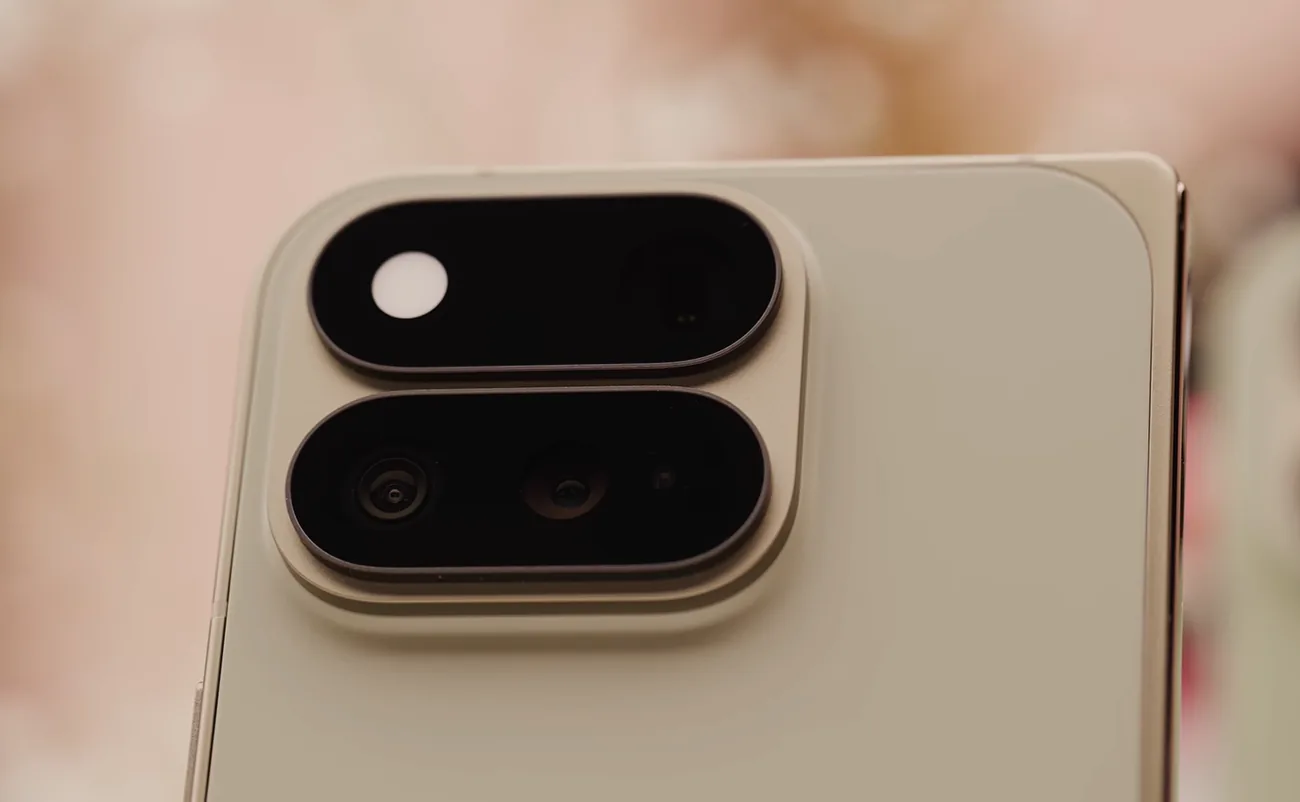
There are still reasons to like Google's approach. The closed-screen proportions remain practical, and the reported IP68 dust and water resistance is a major confidence booster for a foldable. Google also says the new composite glass-fiber rear material should be more resistant to cracking.
But pricing climbs again, with the 256GB Fold starting around $1,899. At that level, “slightly thinner” and “slightly brighter” do not carry the same weight. Samsung, OPPO and other foldable makers are forcing the category forward on thickness, crease reduction and battery design, so Google's measured pace is increasingly visible.
Camera impressions: hardware finally gets more attention
The camera story is encouraging because Google is not relying entirely on software this time. The base Pixel gets a larger 48MP primary sensor, while the Pro phones move to a larger 50MP main camera and a fresh 48MP telephoto. Those changes should improve light capture, detail and zoom flexibility.
Still, this is an impressions piece. Sensor dimensions and megapixels only tell part of the story. Google's processing choices — skin tone, HDR balance, shadow lift, sharpening and low-light exposure — will determine whether the new cameras actually feel like a generational improvement.
The ecosystem is getting stronger too
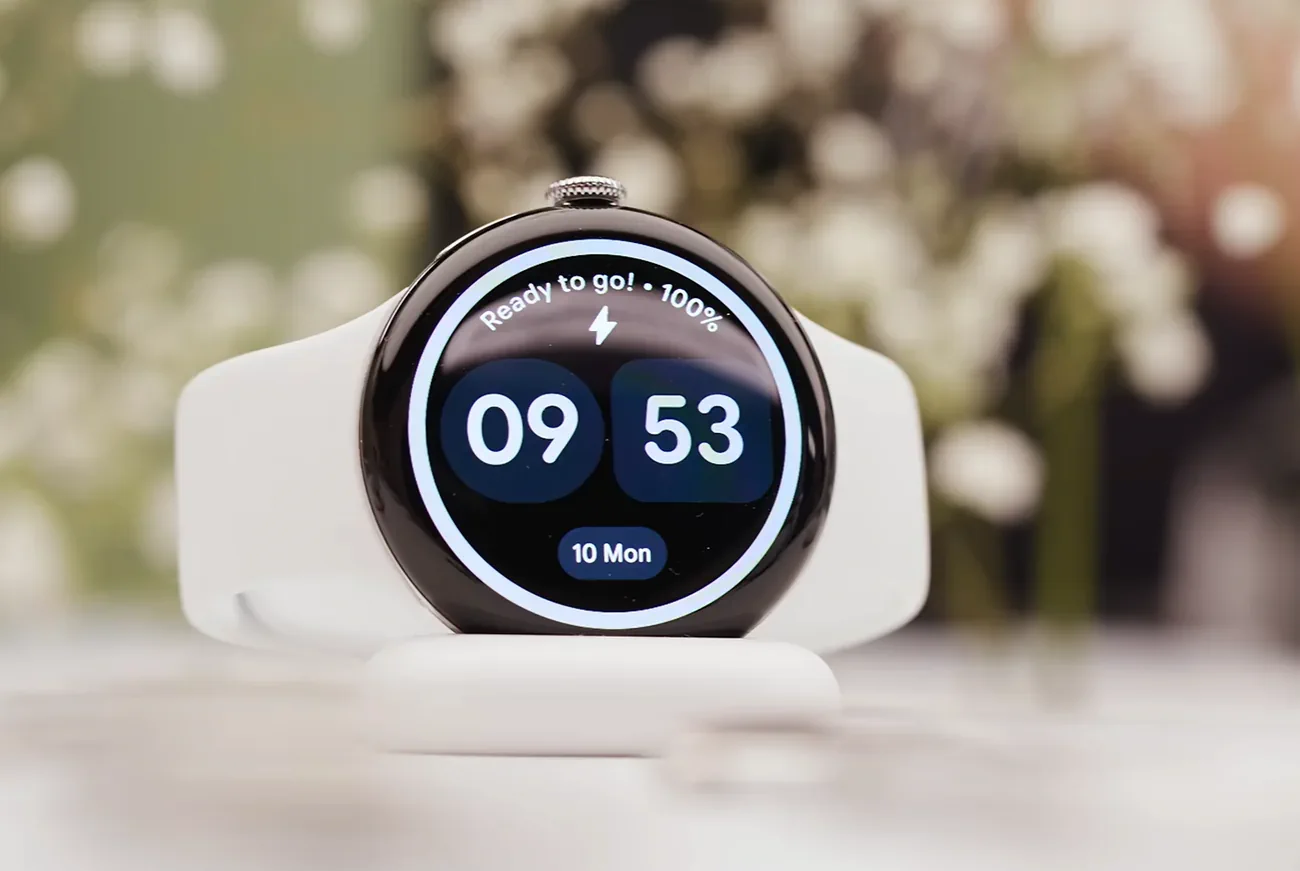
The Pixel 11 launch is not happening in isolation. Google's broader hardware ecosystem now matters more than it did a few years ago. The new Pixel Watch generation continues the same rounded design language while pushing more on-device AI, and Google's tracker accessory brings Find Hub deeper into the first-party ecosystem.
Who should buy which Pixel 11?
- Pixel 11: the best early value. It appears to deliver most of the new software experience, 256GB storage, a versatile three-camera setup and Tensor G6 without the Pro premium.
- Pixel 11 Pro: for buyers who care more about camera hardware, the brighter display and premium finish but still want a compact flagship.
- Pixel 11 Pro XL: for the same Pro experience with the largest conventional Pixel display.
- Pixel 11 Pro Fold: for users specifically committed to Google's foldable proportions and software experience, not those simply chasing the thinnest or most aggressive foldable hardware.
PhonesGate Take: Google's hardware conservatism is getting expensive
The Pixel formula still works because Google understands something important: a smartphone is more than its charging wattage, battery capacity or benchmark score. Smart call features, excellent image processing, useful AI and thoughtful software can make a phone feel better every day than a technically superior rival.
But that argument becomes harder as prices rise. When the base Pixel starts around $899, the Pro around $1,099, the Pro XL around $1,299 and the Fold around $1,899, buyers are entitled to compare hardware aggressively. Two-day battery life, 80W charging, thinner foldables and larger sensors are not meaningless spec-sheet theater when competitors offer them at similar prices.
The Pixel 11 family therefore feels caught between two identities: Google's software-first philosophy remains compelling, but the phones are now priced like hardware-first flagships.
Early Verdict
The Pixel 11 lineup looks more polished than revolutionary. The cameras are better on paper, the displays are brighter, Tensor G6 expands Google's AI ambitions and 256GB base storage is overdue. HiLight is a fun new idea, even if its software support currently feels underdeveloped.
The base Pixel 11 is the model that makes the strongest early case. It appears to capture most of what makes the generation new without stretching quite as far into ultra-premium pricing. The Pro models will need their camera upgrades and Tensor G6 performance to justify the higher cost, while the Pro Fold faces an especially difficult comparison against thinner, more aggressively engineered rivals.
Google did not reinvent the Pixel in 2026. It refined it. Whether that is enough depends on what you already value about Pixel phones. If Google's software is the reason you keep coming back, the Pixel 11 family looks familiar in the best possible way. If you were waiting for Google to finally make a giant hardware leap, the first impression is harder to escape: it is what it is.
Frequently Asked Questions
Is this a full Pixel 11 review?
No. This is an early hands-on impressions review based on the available hardware and software experience. Battery, performance, thermals and camera consistency require longer testing.
Which Pixel 11 looks like the best value?
The base Pixel 11 currently makes the strongest value argument because it includes Tensor G6, 256GB base storage, the new HiLight feature and a versatile camera system without moving as deep into Pro pricing.
What is HiLight on the Pixel 11?
HiLight is a small multicolor rear light integrated into the camera area. In the current implementation shown during hands-on use, it can respond to Gemini interactions and selected incoming calls.
Does the Pixel 11 Pro have more RAM than the Pixel 11?
The 256GB Pixel 11 Pro configuration discussed in the hands-on material uses 12GB of RAM, while higher 512GB and 1TB versions move to 16GB.
What changed on the Pixel 11 Pro Fold?
The Pro Fold receives Tensor G6, a new 48MP main camera, brighter displays, faster wireless charging, HiLight and a revised hinge that makes the device slightly thinner and lighter.