
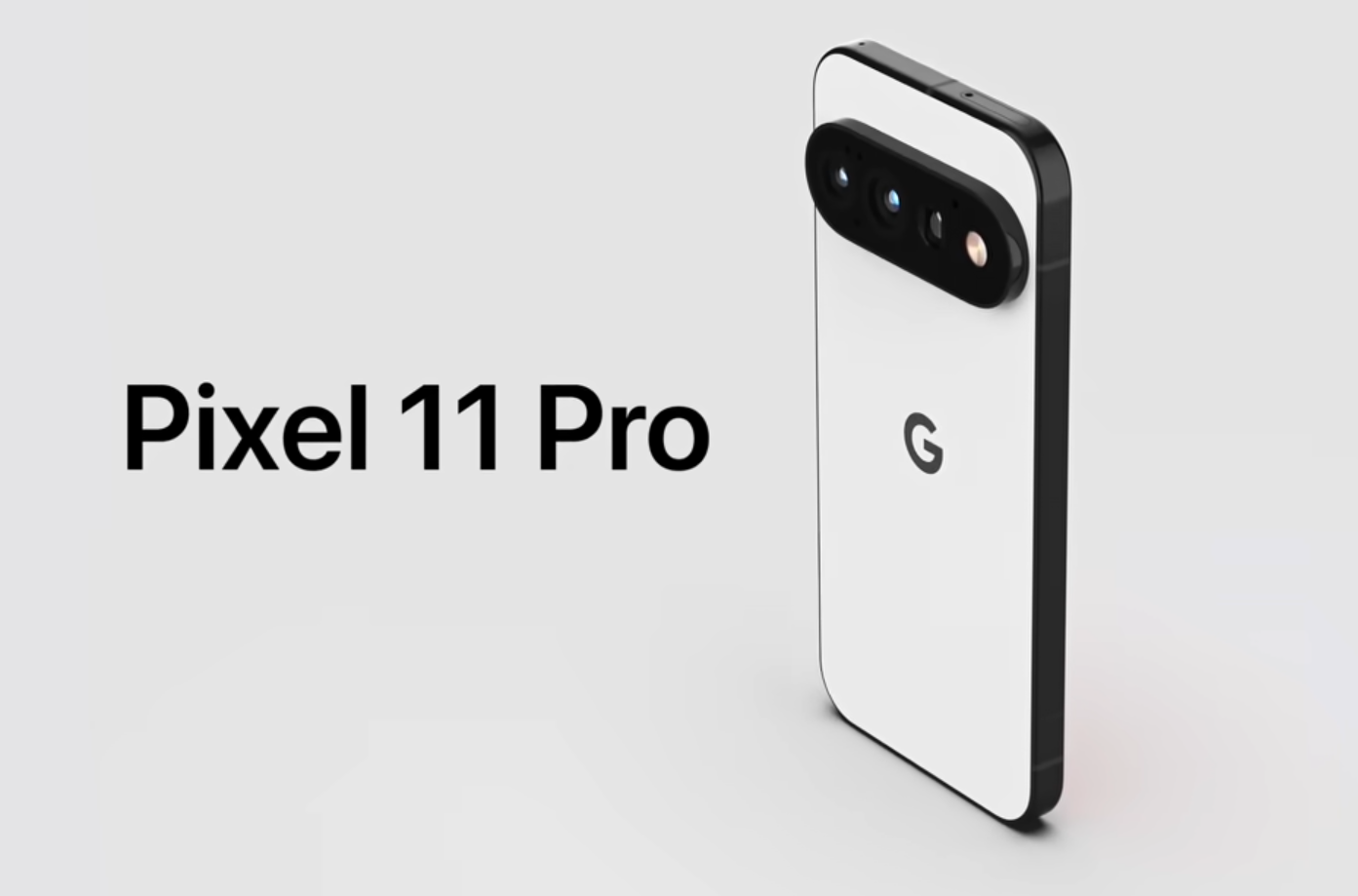

The Google Pixel 11 series is expected to become one of the most important Android flagship launches of 2026. Although the phones have not been officially announced, the emerging picture suggests a generation built around refinement: a familiar design, a more efficient Tensor platform, possible camera hardware changes, improved charging and a stronger focus on security and artificial intelligence.
That may sound less dramatic than a complete redesign, but refinement could be exactly what the Pixel family needs. Recent generations have already established a recognizable visual identity and a clear software direction. The next challenge is to improve efficiency, connectivity, sustained performance and battery behavior without losing the simplicity that makes Pixel devices appealing.
This PhonesGate preview examines the expected Pixel 11, Pixel 11 Pro and Pixel 11 Pro XL, separates plausible upgrades from speculation, and explains what each change could mean for buyers. All details should be treated as preliminary until Google confirms the final hardware, regional availability and pricing.
Key takeaway
PhonesGate examines the expected Google Pixel 11, Pixel 11 Pro and Pixel 11 Pro XL, including their design, Tensor G6 platform, cameras, battery, charging, security, release window and pricing.
Expected Pixel 11 lineup at a glance
The 2026 lineup is expected to continue with three conventional flagship models:
- Google Pixel 11: the standard model, expected to balance flagship software with a lower entry price.
- Google Pixel 11 Pro: a smaller premium option with more advanced camera hardware and additional display features.
- Google Pixel 11 Pro XL: the largest model, likely offering the biggest screen and battery in the conventional Pixel range.
This structure would allow Google to serve buyers who want a compact premium phone, those who prefer a larger display, and users who want the Pixel experience without paying for every Pro-level feature.
16 min read
Google coverage from PhonesGATE. Published Jul 21, 2026.
Design: familiar proportions with targeted refinements
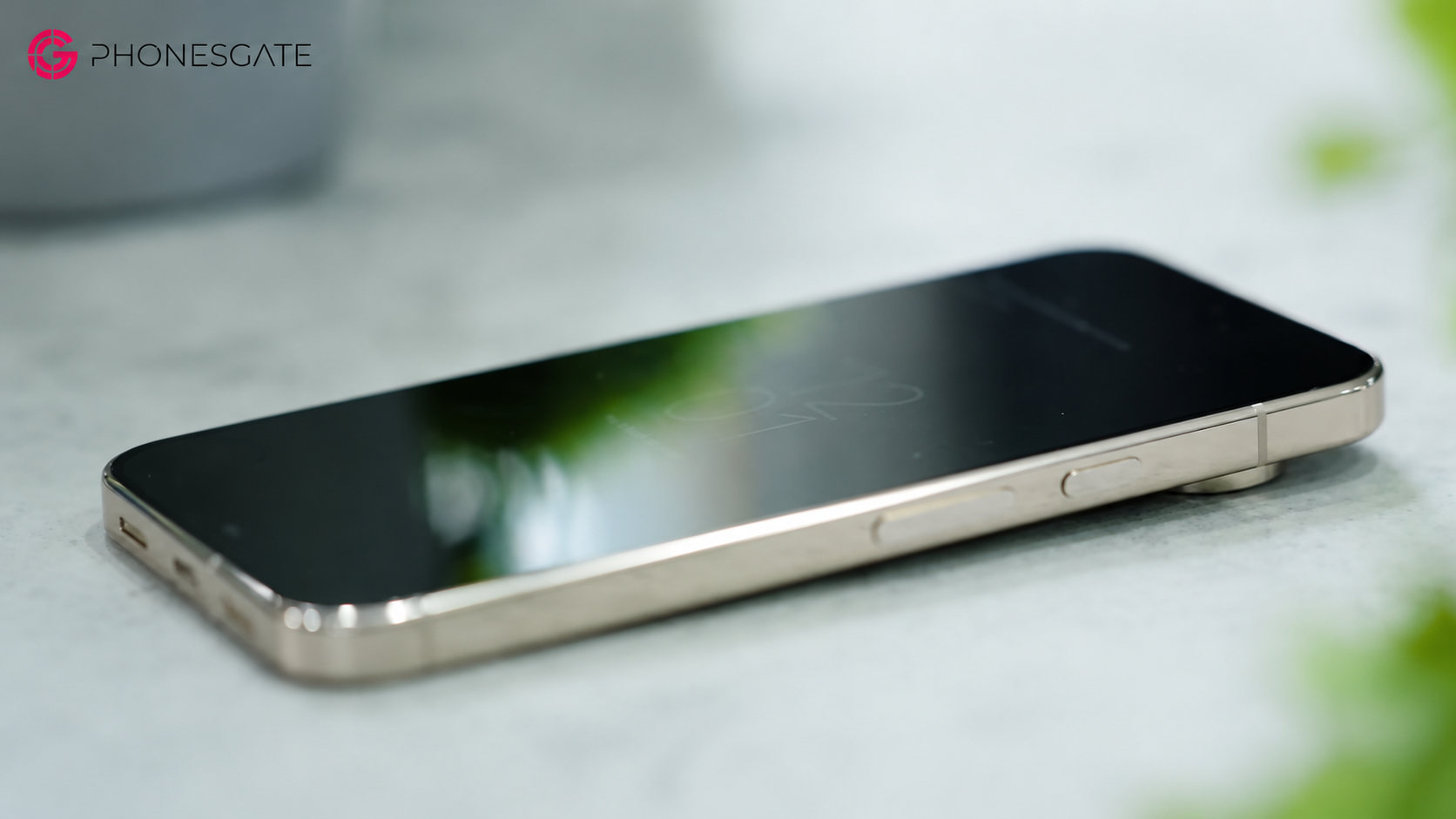
Early expectations point toward a design that remains closely related to the current Pixel language. The horizontal camera bar is likely to stay, the sides are expected to remain flat, and the overall shape may continue to favor clean geometry over aggressive curves.
The most visible rear change could be the camera area. The surrounding section is expected to use a darker, more unified finish across the lineup. This would make the camera bar appear more deliberate and visually separate it from the color of the rear panel. It could also create stronger consistency between the standard, Pro and Pro XL models.
Minor reductions in body thickness have also been discussed. A difference of around one tenth of a millimeter would not transform the way the phone feels, but it could contribute to a cleaner profile when combined with a thinner camera module.
A thinner camera bar could matter more than a thinner body
The central camera bar already gives Pixel phones better table stability than devices with a camera island positioned in one corner. However, the module still adds weight near the top of the device. If Google reduces its depth, the phone may feel more balanced during one-handed use even if the overall dimensions barely change.
This type of refinement is easy to overlook in specification tables. In practice, weight distribution, edge shape and camera-module depth can influence comfort more than a small reduction in total thickness.
Bezels may improve on the standard Pixel 11
The regular Pixel model is expected to receive slimmer display borders. This would be a useful upgrade because visible bezels can make an expensive phone appear less premium, even when the panel itself is excellent.
The Pro models may remain closer to their predecessors. That would not necessarily be a problem if their borders are already symmetrical and sufficiently thin. As always, early design drawings cannot accurately represent final bezel size, so this detail should remain in the provisional category.
Display expectations
Google is expected to continue using high-quality OLED panels across the range. Smooth refresh rates, strong contrast and high outdoor brightness should remain central to the Pixel experience.
The standard model will likely prioritize a high refresh rate and practical brightness, while the Pro models may continue to offer more advanced adaptive refresh behavior. A variable refresh system can reduce power consumption by lowering the refresh rate when the screen displays static content and increasing it during scrolling, gaming or animation.
The most valuable display improvements would not necessarily involve higher resolution. Better efficiency, lower minimum brightness, improved touch response and more consistent color at different brightness levels could have a greater impact on daily use.
Camera system: evolution rather than a complete reset
Photography remains the defining strength of the Pixel family. The Pixel 11 series is expected to continue relying on a combination of camera hardware, computational processing and AI-assisted editing rather than competing only through sensor size or megapixel count.
No confirmed information currently points to a complete replacement of every rear camera. The more likely scenario is a selective update, with the Pro models receiving the most meaningful telephoto change while the standard Pixel 11 retains a more familiar configuration.
Possible telephoto redesign on the Pro models
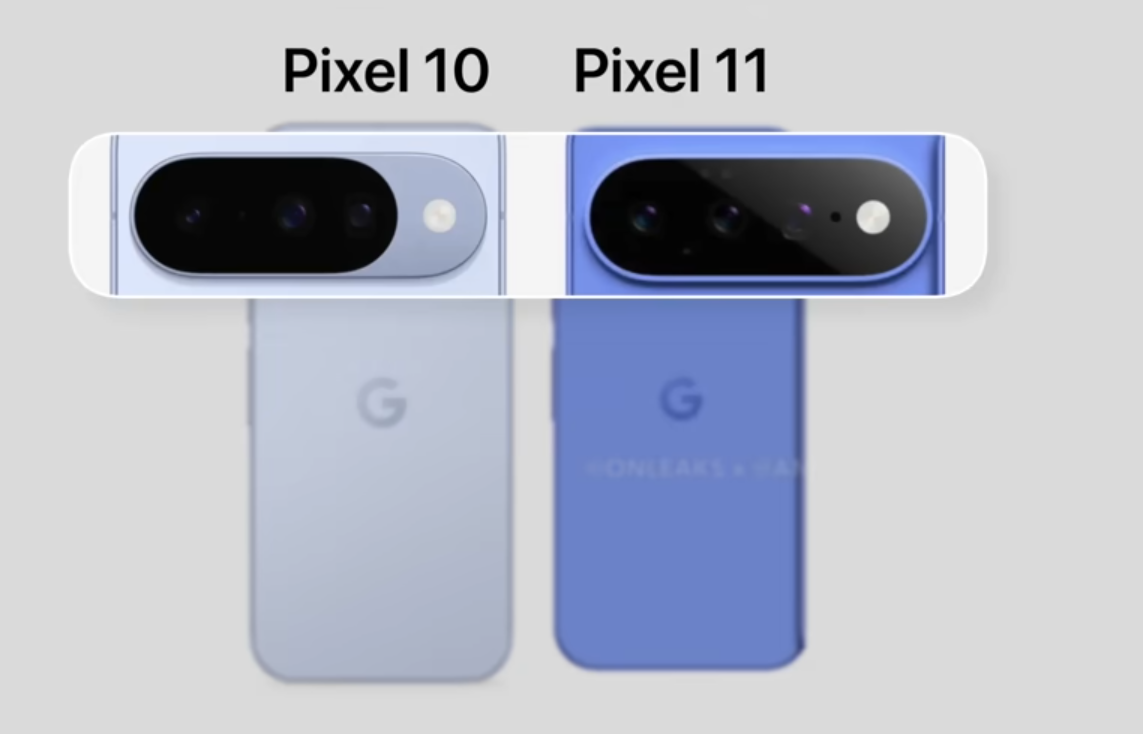
The expected design of the Pixel 11 Pro and Pixel 11 Pro XL suggests a different telephoto lens shape. A circular opening may replace the more rectangular presentation used on previous models.
A visual change alone does not prove that a new sensor is being used. However, it may indicate a revised internal module, a different folded-lens arrangement or a more compact optical design. Any of those changes could give Google room to improve zoom quality, reduce the camera-bar thickness or lower manufacturing complexity.
The most useful telephoto improvements would be better detail at intermediate zoom levels, reduced motion blur, faster focus and more consistent color between the main and zoom cameras. Extreme zoom numbers attract attention, but reliability at practical distances is more important for most users.
The standard Pixel 11 may see fewer hardware changes
The regular Pixel 11 is expected to retain a camera arrangement closer to the previous generation. That would place more pressure on the new image-processing pipeline to deliver visible improvements.
This does not automatically make the standard model uncompetitive. Pixel cameras have often produced strong results through software, especially in exposure, skin tones, motion handling and night photography. Still, buyers comparing hardware specifications may expect more than processing refinements at a premium launch price.
Tensor G6 could influence camera quality
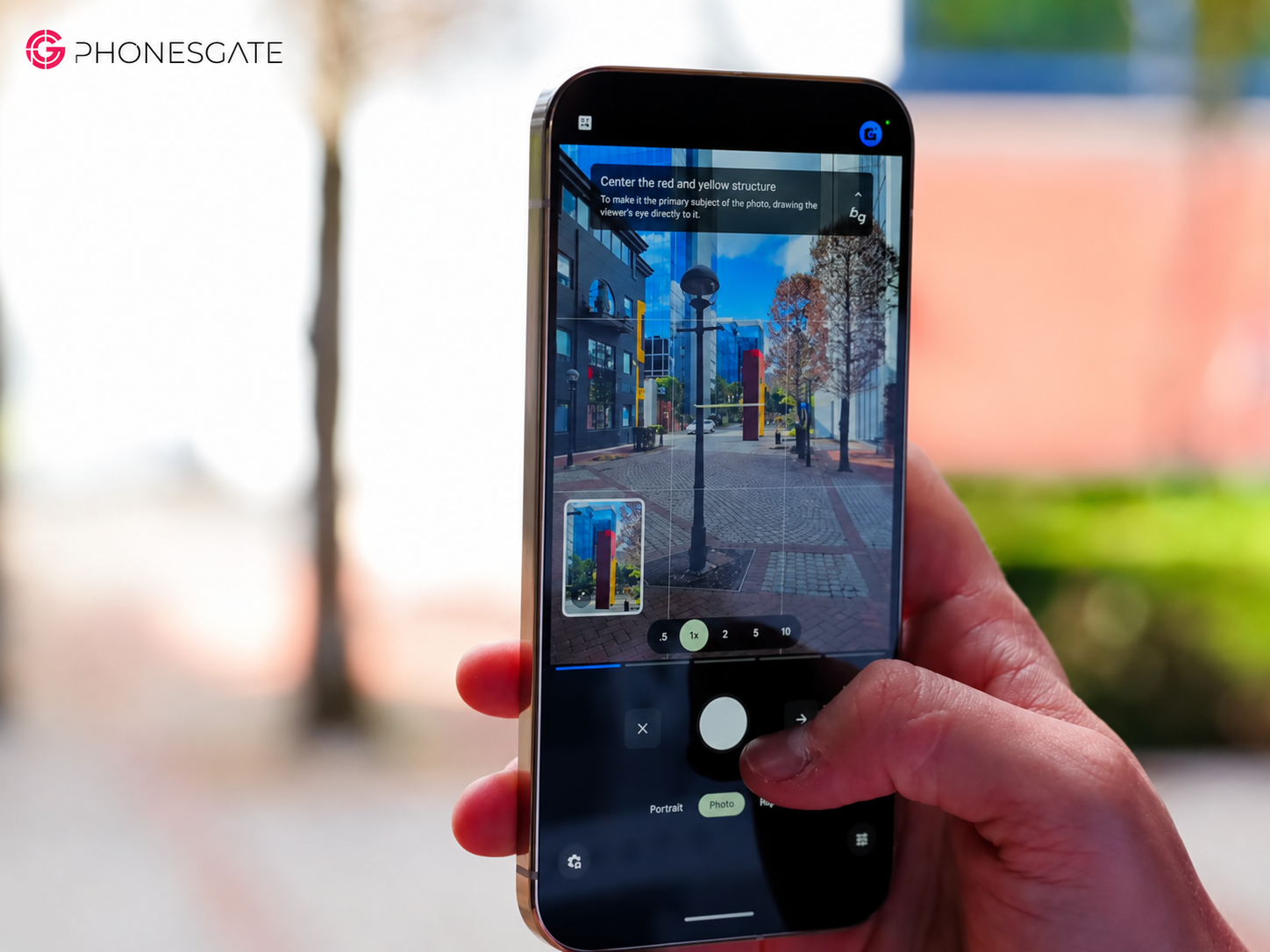
Modern smartphone photography depends heavily on the processor. Every photo may combine several frames, motion data, depth estimates, color processing and local tone adjustments before it reaches the gallery.
If Tensor G6 provides stronger machine-learning performance and better power efficiency, the Pixel 11 series could process more information without increasing capture delay or battery drain. Potential benefits include improved zoom reconstruction, cleaner low-light video, more accurate subject separation and better motion capture.
The key will be consistency. A camera upgrade is valuable when it improves ordinary photos, not only carefully selected demonstrations.
Tensor G6: efficiency may be the main story
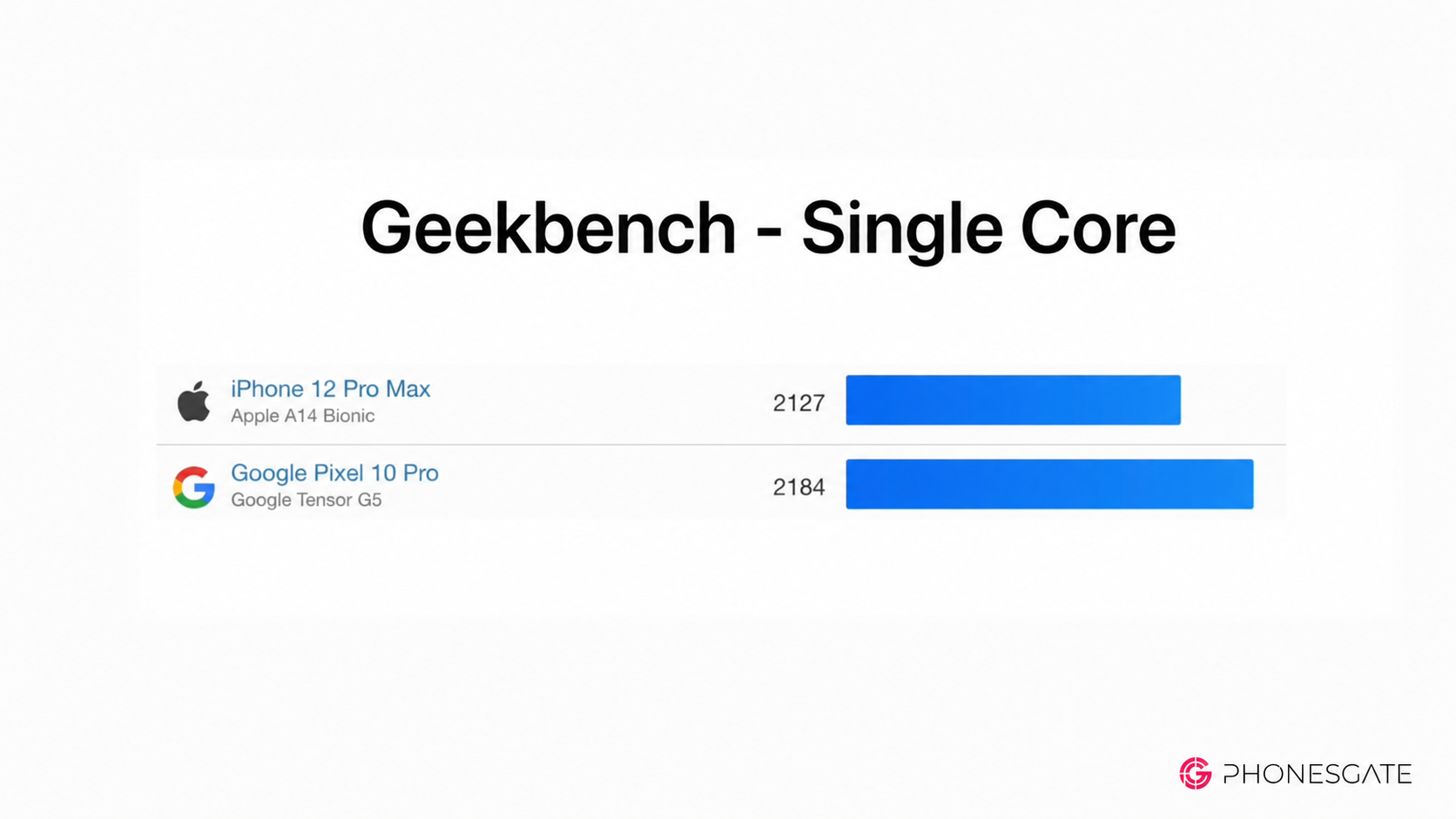
The expected Tensor G6 platform could be the most important internal upgrade in the Pixel 11 series. Reports indicate that Google may move to a more advanced manufacturing process, potentially around the 2-nanometer class.
A smaller process does not guarantee class-leading speed. Processor architecture, clock behavior, memory systems, thermal limits and software optimization all influence real performance. However, a newer node can create opportunities for lower power consumption, higher transistor density and better sustained behavior.
For Pixel users, efficiency may matter more than winning short benchmark tests. A cooler chip can maintain performance for longer, consume less battery during camera processing and reduce heat during navigation, mobile data use or gaming.
What improvement would make Tensor G6 successful?
Tensor G6 does not need to become the fastest smartphone chip to be a meaningful upgrade. It needs to deliver a balanced combination of:
- faster everyday application performance;
- less heat during camera, gaming and mobile-data workloads;
- stronger sustained performance;
- improved AI processing on the device;
- better standby efficiency;
- more reliable connectivity.
If Google achieves those goals, users upgrading from older Pixel generations may notice a larger improvement than benchmark rankings alone would suggest.
A possible modem change could improve the entire phone
The Pixel 11 series is expected to introduce a different modem supplier. This may be one of the most important changes because the modem affects signal reliability, heat, standby drain and battery consumption during mobile-data use.
A more efficient modem could improve endurance without requiring a much larger battery. It may also reduce temperature during weak-signal conditions, when a phone has to work harder to maintain a connection.
Connectivity has been a sensitive area for some previous Pixel generations. Therefore, modem performance should be evaluated through real-world testing rather than theoretical speed claims. Stable reception, efficient 5G behavior, dependable handovers and low standby drain are the metrics that matter.
Battery life: similar capacity, better efficiency?
Current expectations suggest that battery capacities may remain broadly similar to the previous generation. If that is accurate, Google will rely on Tensor G6, the modem, display optimization and software tuning to extend usage time.
This approach can work. A phone with a slightly smaller but well-optimized battery can outperform a device with greater capacity and inefficient components. However, Google will need improvements across several systems rather than depending on a single component.
The most realistic target would be dependable all-day use under mixed conditions, including camera use, navigation, social applications, mobile data and video. Buyers should be cautious about judging endurance from capacity alone.
Charging could finally become more competitive
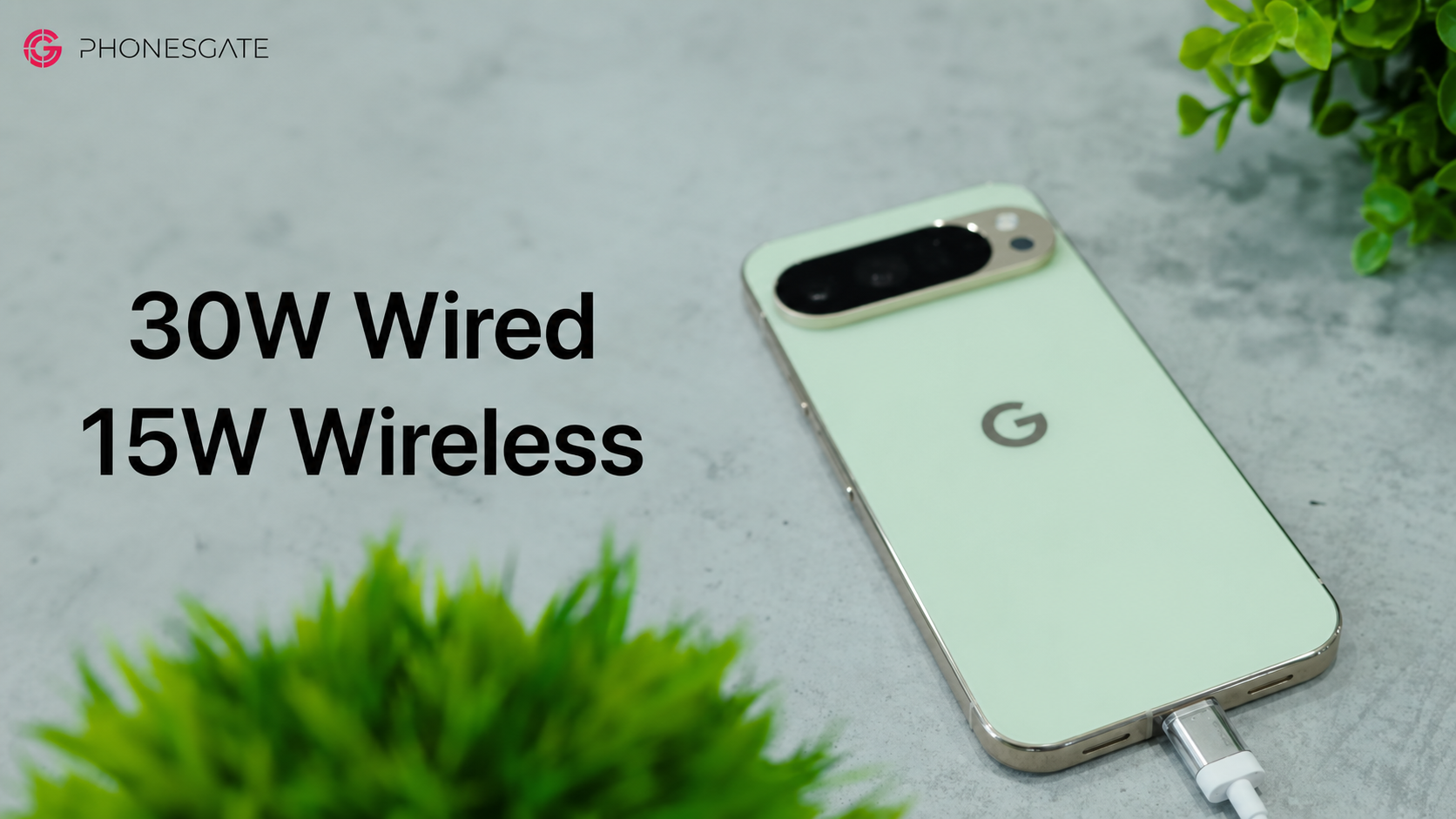
The Pixel 11 and Pixel 11 Pro are expected to support faster wired charging, potentially increasing from roughly 30W to around 45W. Final speeds may vary by model and region.
A move to 45W would not make the series the fastest charging option in the market, but it would reduce one of the lineup's most obvious disadvantages. The practical benefit depends on the charging curve rather than the peak number. A phone that maintains a useful rate through the middle of the charge can save more time than one that briefly reaches a higher peak.
Battery temperature and long-term health also matter. Google may continue to favor conservative charging behavior to reduce degradation. The best outcome would be faster short charging sessions without excessive heat.
Could the Pixel 11 use a more repairable battery?
There has been speculation that upcoming Pixel devices may adopt a battery design that is easier to remove during repair. This should not be interpreted as a return to the old style of user-swappable batteries with removable rear covers.
A more realistic implementation would use pull tabs, accessible adhesives or an internal structure that allows trained repair work without excessive heat or specialized procedures. Such a change could reduce repair complexity and make battery replacement more practical later in the device's life.
This remains one of the least certain parts of the current picture. Buyers should wait for official repair documentation and independent teardown analysis before treating it as a confirmed feature.
Titan M3 and the next security layer
The Pixel 11 series is expected to introduce a new generation of dedicated security hardware, commonly referred to as Titan M3. The security component is believed to be integrated closely with Tensor G6 and may represent the largest revision to Google's hardware security architecture in several years.
A dedicated security processor can protect encryption keys, verify the boot process, support secure authentication and isolate sensitive operations from the main operating system. Its value is not measured through visible speed but through the difficulty of extracting or modifying protected data.
For most buyers, the practical benefit would be stronger protection for lock-screen credentials, stored secrets, verified software and sensitive operations. Google will still need to explain the architecture clearly and support it with timely security updates.
Software and AI will remain the main differentiators
The Pixel 11 series will launch with the latest Android generation available at release. More importantly, it is expected to serve as the primary platform for Google's newest AI-assisted features.
Some functions may run locally on Tensor G6, while heavier tasks may use cloud processing. On-device execution offers better latency and can improve privacy when sensitive information does not need to leave the phone.
Useful AI features should save time rather than simply add novelty. The strongest opportunities include call assistance, transcription, summarization, photo organization, contextual search, language tools and more intelligent device automation.
PhonesGate will judge these features based on accuracy, transparency and user control. AI additions should clearly explain when data is processed locally, when cloud services are used and whether a feature can be disabled.
Expected release window
The Pixel 11 family is expected to launch around August 2026, following Google's recent preference for introducing its flagship phones before the busiest part of the autumn release cycle.
An August launch would position the series between major foldable announcements and the next wave of premium phones expected in September. It would also give Google more time to establish availability before holiday purchasing begins.
The exact announcement date, preorder period and regional rollout remain unconfirmed.
Expected pricing
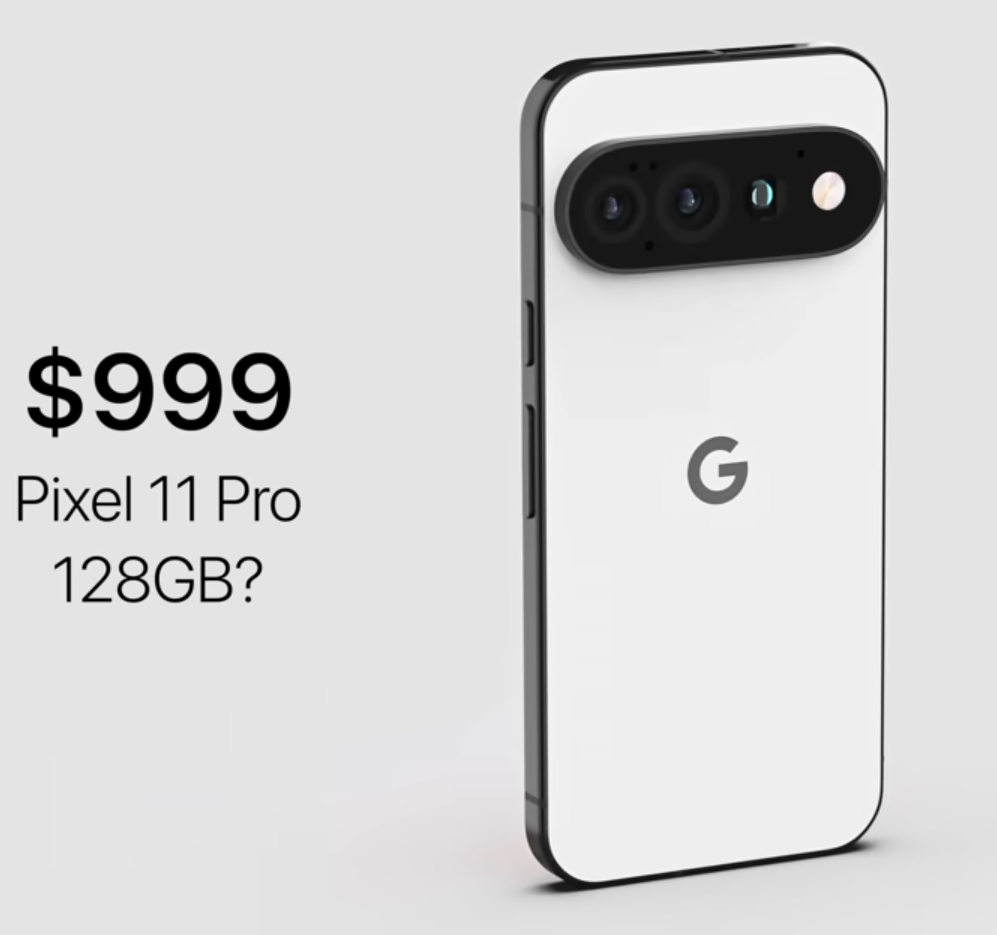
Early expectations point toward prices close to the previous generation:
Model Expected starting price Positioning Google Pixel 11 Approximately $799 Mainstream flagship Google Pixel 11 Pro Approximately $999 Compact premium flagship Google Pixel 11 Pro XL Approximately $1,199 Large premium flagship
These figures are not official and should not be converted directly into regional prices. Taxes, storage tiers, launch promotions and market-specific policies can create large differences.
Base storage needs to improve
One of the most important pricing questions is whether Google will increase the base storage of the standard and Pro models. A premium phone launching with only 128GB becomes harder to justify as applications, offline media, high-resolution video and AI models consume more space.
Moving to 256GB without increasing the starting price would strengthen the value proposition and make the phones more suitable for long-term ownership.
Pixel 11 vs Pixel 11 Pro vs Pixel 11 Pro XL
Area Pixel 11 Pixel 11 Pro Pixel 11 Pro XL Target buyer Users wanting the core Pixel experience Users wanting Pro cameras in a smaller body Users wanting the largest display and battery Camera expectation More familiar hardware Possible new telephoto design Possible new telephoto design Display High-refresh OLED Premium adaptive OLED Largest premium adaptive OLED Performance Tensor G6 Tensor G6 Tensor G6 Expected price From about $799 From about $999 From about $1,199
Should current Pixel owners wait for the Pixel 11?
If you own a Pixel 10
Most Pixel 10 owners should wait for confirmed specifications and independent testing. A modem improvement, better efficiency and faster charging could be meaningful, but the expected design changes alone are unlikely to justify an immediate upgrade.
If you own a Pixel 9
The decision depends on battery health, connectivity and camera priorities. Tensor G6 may offer a noticeable efficiency improvement, while the Pro telephoto system could provide a stronger reason to upgrade. The Pixel 9 should still remain capable for users satisfied with its endurance.
If you own a Pixel 8 or older model
The Pixel 11 could represent a more substantial jump. Potential gains include brighter displays, stronger cameras, improved thermal behavior, better connectivity, faster charging and newer AI capabilities.
If you use another Android flagship
The Pixel 11 series will be most attractive to buyers who value clean software, computational photography, long update support and integrated Google services. Users focused primarily on maximum gaming performance, very fast charging or the largest camera sensors may still prefer other flagship strategies.
What PhonesGate wants to see
For the Pixel 11 series to become a genuine step forward, Google should prioritize the following improvements:
- Reliable modem behavior: stable signal and lower mobile-data power consumption.
- Better sustained performance: less heat and fewer slowdowns during demanding tasks.
- Faster practical charging: not only a higher advertised peak.
- 256GB base storage on premium models: better value and improved longevity.
- Consistent cameras: faster capture, stronger zoom and improved video.
- Transparent AI controls: clear explanations of local and cloud processing.
- Repair-friendly construction: easier battery replacement without sacrificing durability.
Potential strengths and risks
Potential strength Why it matters Main risk Tensor G6 efficiency Could improve battery life, heat and AI performance A smaller process alone may not solve architectural limitations New modem Could improve reception and standby drain Real-world tuning may vary by network and region Revised Pro telephoto Could improve practical zoom quality The visual redesign may not indicate a major sensor upgrade Faster charging Could reduce a long-standing Pixel disadvantage Peak wattage may be brief or limited by temperature New security hardware Could strengthen protection of sensitive data Benefits may be difficult for users to evaluate directly
Frequently asked questions
Is the Google Pixel 11 officially announced?
No. The Pixel 11 series has not been officially announced. Current details are based on preliminary information and expectations that may change before launch.
How many Pixel 11 models are expected?
Three conventional models are expected: Pixel 11, Pixel 11 Pro and Pixel 11 Pro XL. A separate foldable model may also exist, but it is outside the scope of this preview.
Will the Pixel 11 have Tensor G6?
The entire series is expected to use Tensor G6, but final architecture, manufacturing process and performance remain unconfirmed.
Will the Pixel 11 charge faster?
Faster wired charging of around 45W has been discussed for at least some models. Official charging speeds and supported adapters are not yet confirmed.
Will the Pixel 11 have a removable battery?
A more repair-friendly battery design has been speculated, but this does not necessarily mean a battery that users can swap without opening the phone. The feature should be considered unconfirmed.
When is the Pixel 11 expected to launch?
The most likely launch window is August 2026, although Google has not confirmed an event date.
PhonesGate verdict
The Pixel 11 series currently looks like a refinement generation, but that does not make it unimportant. The expected improvements target the areas that can determine whether a premium phone remains enjoyable after the launch excitement ends: efficiency, connectivity, battery behavior, charging, security and camera consistency.
The design may remain familiar, and buyers hoping for a dramatic visual change could be disappointed. However, a thinner camera module, cleaner rear treatment and improved bezels could make the phones feel more polished without abandoning a recognizable identity.
Tensor G6 and the possible modem change will be the decisive upgrades. If they reduce heat, improve reception and extend battery life, the Pixel 11 family could deliver a much stronger daily experience even without dominating performance charts.
The Pro camera redesign also deserves attention, but expectations should remain realistic until final sensor specifications and real photographs are available. Google does not need to chase every hardware trend, but it does need to close the gap in zoom consistency and video performance.
At the expected prices, storage and charging will influence value. A 256GB base configuration and a genuinely useful 45W charging curve would make the lineup easier to recommend.
For now, the Pixel 11 series appears promising rather than revolutionary. PhonesGate recommends waiting for the official announcement, confirmed regional specifications and independent testing before making a purchase decision.