

The Samsung Galaxy Z Fold8 is better than its smaller specifications suggest. It is not the most powerful foldable in Samsung’s 2026 lineup, and it is not designed to replace the larger Galaxy Z Fold8 Ultra. Instead, Samsung has built a lighter, wider, passport-style Fold that feels more natural for reading, photography, social media and everyday media consumption.
At 201 grams, the Galaxy Z Fold8 weighs about as much as a conventional large flagship while still carrying two displays, a foldable hinge, a 4,800mAh battery and Qualcomm’s Snapdragon 8 Elite Gen 5 for Galaxy. Its 5.5-inch cover display and 7.6-inch 4:3 main screen make it less ideal for extreme multitasking than the Ultra, but unexpectedly better for several tasks that traditional tall foldables handle awkwardly.
Quick answer
Choose the Galaxy Z Fold8 over the Fold8 Ultra when low weight, one-handed reach, reading, photography and a compact passport-style shape matter more than maximum screen area, a 200MP camera or the most desktop-like multitasking experience.
Key takeaway
Samsung’s 201 g Galaxy Z Fold8 uses a wider 4:3 display, Snapdragon 8 Elite Gen 5, a 4,800mAh battery and dual 50MP cameras to create a lighter alternative to the Fold8 Ultra.
Its main compromises are smaller displays, a dual-camera system and a premium starting price of $1,899.99 in the United States for 256GB. It is still expensive, but it has a clearer purpose than simply being a cheaper Ultra.
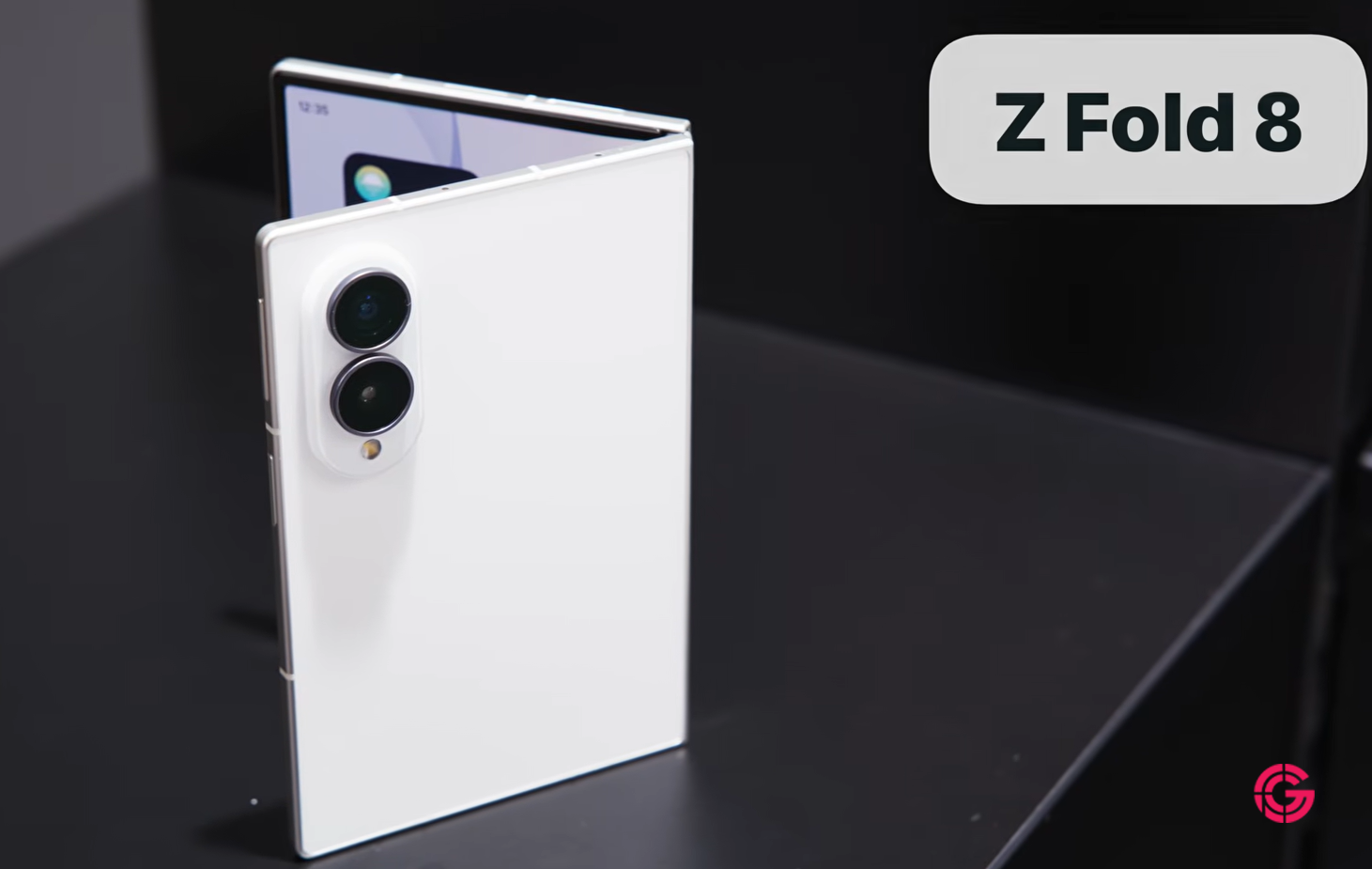
Samsung Galaxy Z Fold8 key specifications
Specification Galaxy Z Fold8 Why it matters Weight 201 g Samsung’s lightest Galaxy Z Fold Cover display 5.5 inches, 10:16 Shorter reach and more natural media framing Main display 7.6 inches, 4:3 Well suited to reading, photos and square content Peak brightness Up to 3,000 nits Improved outdoor visibility Processor Snapdragon 8 Elite Gen 5 for Galaxy Flagship performance and AI processing Battery 4,800mAh typical Strong capacity for a 201 g foldable Rear cameras 50MP wide + 50MP ultrawide High-resolution dual-camera system Storage 256GB, 512GB or 1TB Premium storage options US starting price $1,899.99 Still ultra-premium Colors Lavender, Graphite, Cream; Pistachio online exclusive More expressive options
10 min read
Samsung coverage from PhonesGate. Published Jul 23, 2026.
The wide form factor changes how the Fold feels
Samsung’s previous large foldables were built around a tall cover screen that opened into a nearly square tablet. That shape was productive, but it could feel narrow when closed and heavy during extended use.
The Galaxy Z Fold8 takes a different route. Its 5.5-inch outer display uses a 10:16 ratio, while the inner 7.6-inch display opens into a 4:3 canvas. The phone is shorter and wider than the Fold8 Ultra, making controls easier to reach and giving the device a passport-like footprint.
The difference is more meaningful in the hand than it appears in a specification table. At 201 grams, the Fold8 is lighter than many conventional premium phones with cases. That makes it easier to use as an everyday device rather than a specialist productivity tool.
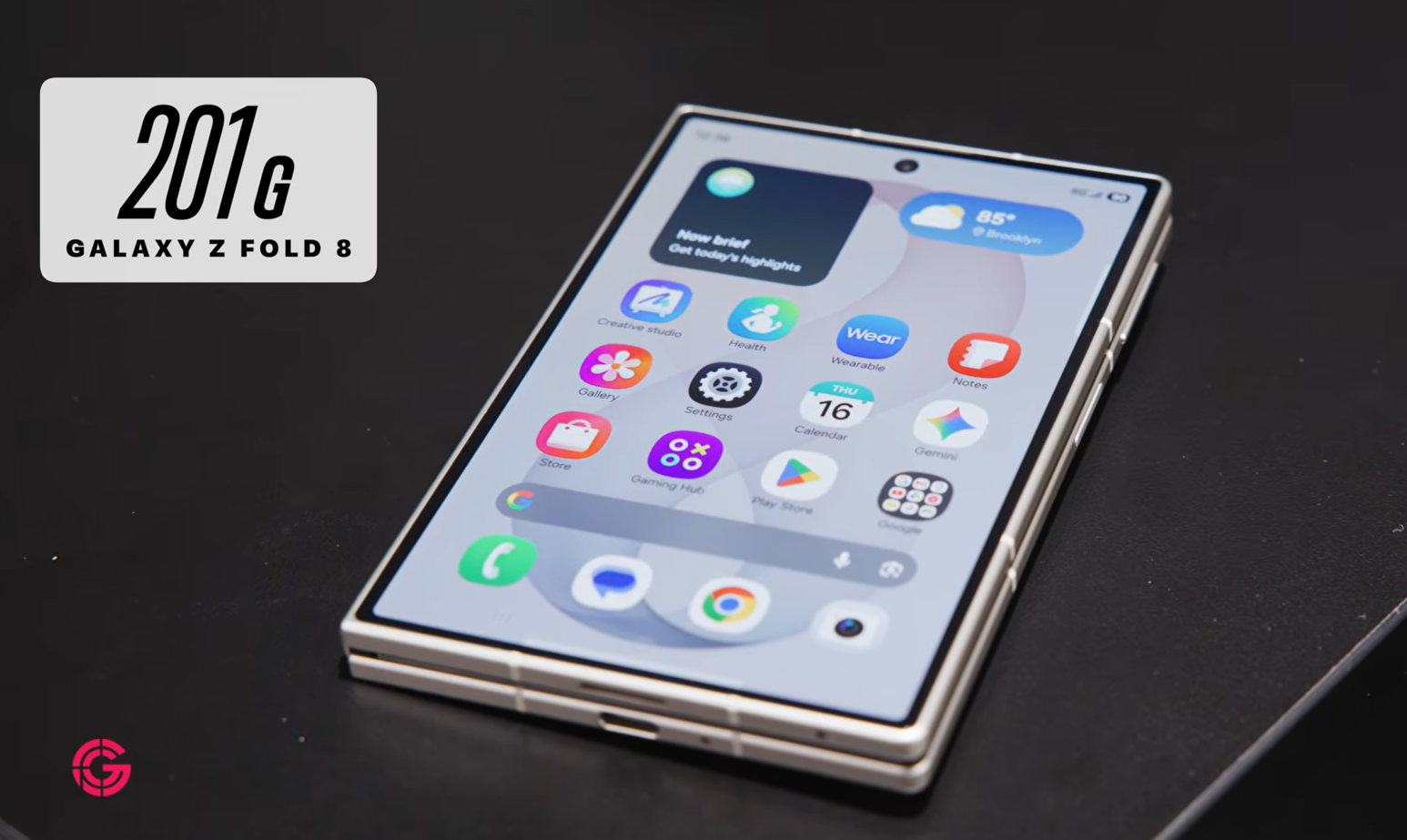
Why the 4:3 display works better than expected
A 4:3 inner display is not automatically better than the larger canvas on the Fold8 Ultra. It is optimized for different content.
Photography benefits immediately. Most smartphone photos are captured close to a 4:3 ratio, so images fill more of the open screen during review. The camera viewfinder also feels more natural when the phone is closed because controls remain within thumb reach and the preview occupies more of the cover display.
Reading is another strong use case. E-books, documents, web articles and magazines fit the page-like layout better than they do on a very tall screen. The Fold8 can feel closer to a compact e-reader without carrying the mass of a small tablet.
Social feeds and short-form content also work well on the 10:16 outer screen. The shape is wide enough to avoid the cramped feeling associated with early foldable cover displays while remaining compact enough for one-handed use.
Where the smaller Fold8 loses to the Ultra
The Galaxy Z Fold8 Ultra remains the stronger choice for heavy multitasking. Its 8-inch main display provides more room for two or three applications, floating windows and side-by-side workflows. The regular Fold8 can still multitask, but the 7.6-inch 4:3 panel makes each app window smaller.
Widescreen video also produces visible black bars because most films and online video do not match the squarer display. The Fold8 is excellent for mixed media, but it cannot overcome the geometry of 16:9 and wider cinematic content.
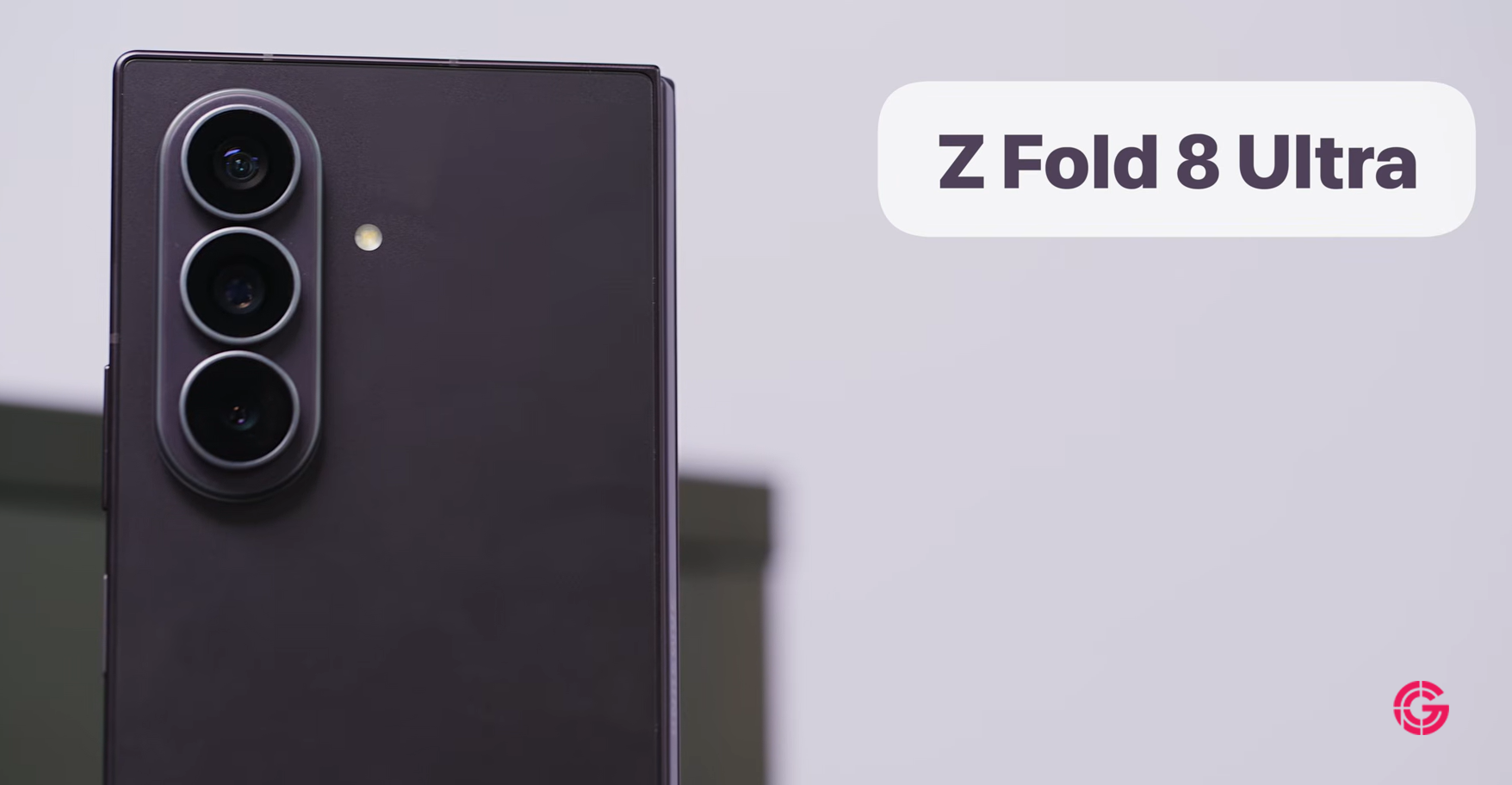
The camera system is another clear separation. The Fold8 uses two 50MP rear cameras, while the Fold8 Ultra adds a more ambitious 200MP main camera and greater camera flexibility.
The hinge and crease are finally moving in the right direction
Samsung introduced a titanium-based display structure across the new Fold lineup. The company describes the design as Flex Titanium technology, combining a titanium-alloy film with an enhanced titanium plate beneath the display.
In practical terms, the crease is much less distracting than on earlier Samsung foldables. It is not invisible under every angle or reflection, but the refined hinge, anti-reflective treatment and 3,000-nit peak brightness make the fold line far less obvious during normal use.
This matters more than another incremental processor increase because the crease sits in the center of every open-screen interaction.
Flagship performance without the Ultra body
The Galaxy Z Fold8 uses the Snapdragon 8 Elite Gen 5 for Galaxy, the same flagship platform used across Samsung’s premium 2026 devices. Samsung is differentiating the two Folds through screen size, cameras, battery capacity and intended workflow—not through a weaker processor.
Everyday responsiveness, gaming, image processing and Galaxy AI features should therefore remain flagship class. Sustained thermal performance under long gaming or rendering workloads still requires independent testing.
A 4,800mAh battery in a 201 g foldable is the real surprise
The official 4,800mAh typical battery is one of the most important specifications. Samsung managed to increase capacity while producing the lightest Galaxy Z Fold to date.
That does not guarantee class-leading endurance. Two displays, high brightness and a flagship processor can consume significant power. Samsung rates the device for more than 26 hours of video playback under its own test conditions, but real-world results will depend on cover-screen use, main-display time, cellular signal and brightness.
The dual-camera system is simpler, not necessarily weak
The Fold8 carries a 50MP wide camera and a 50MP ultrawide. It lacks the Ultra model’s 200MP primary sensor and dedicated telephoto flexibility, but the dual-camera approach aligns with the smaller phone’s role.
The wide 4:3 display improves the shooting experience. Camera controls are easier to reach, images fill more of the preview and the large inner panel becomes an excellent review screen. Dual Recording also lets users capture both sides of a moment while using the cover display as a preview.
One UI makes the hardware more useful
Samsung has more foldable software experience than any other mainstream Android manufacturer. Multi-window support, drag-and-drop, taskbar behavior, Flex Mode and app continuity remain major reasons to choose a Galaxy Fold.
The regular Fold8 does not provide as much workspace as the Ultra, but it still supports the same core software ecosystem. The difference is that this hardware encourages lighter, more media-focused behavior rather than treating every open session like a miniature desktop.
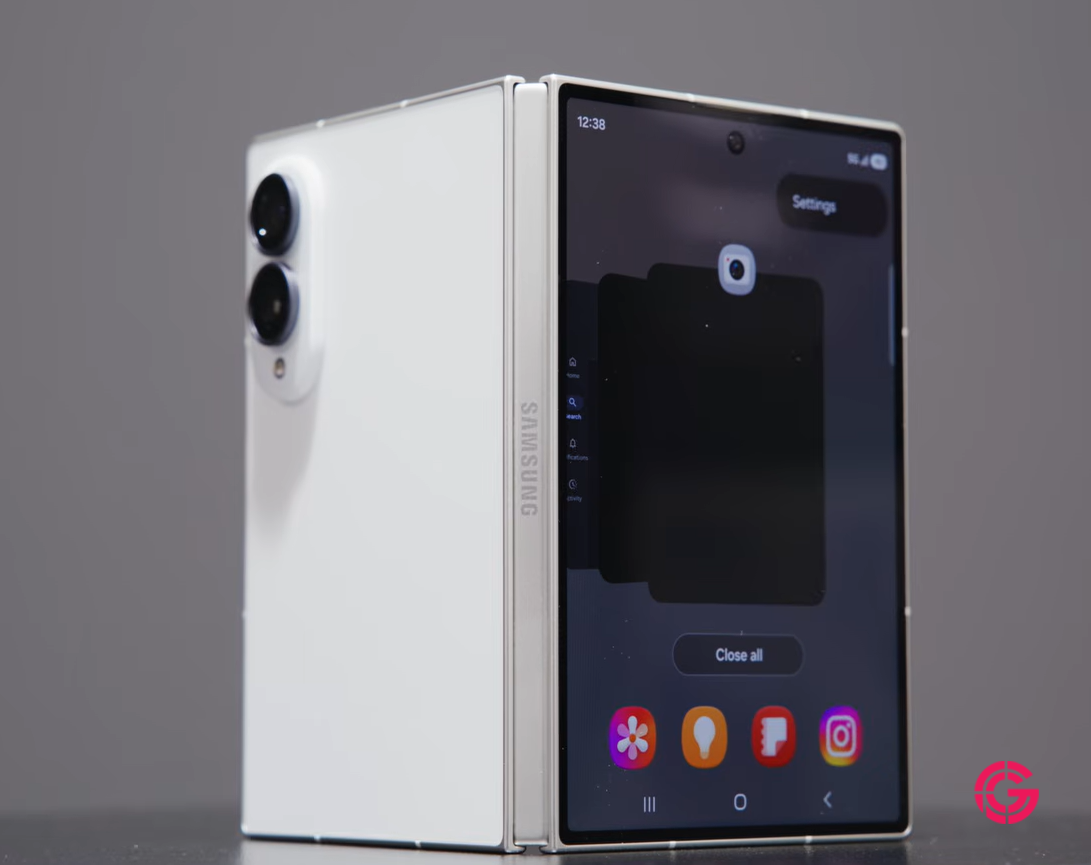
Galaxy Z Fold8 vs Fold8 Ultra
Category Galaxy Z Fold8 Galaxy Z Fold8 Ultra Primary purpose Media, reading, photography and portability Productivity, multitasking and content creation Weight 201 g 215 g Cover display 5.5 inches 6.5 inches Main display 7.6 inches 8.0 inches Main camera 50MP 200MP Battery 4,800mAh 5,000mAh Best for Buyers who want a lighter Fold Power users wanting maximum workspace
The new lineup finally has clearer roles
Samsung’s foldable family now covers three distinct use cases. The Galaxy Z Flip8 is the smallest fashion- and communication-focused model. The Galaxy Z Fold8 is the lightweight, content-friendly option. The Galaxy Z Fold8 Ultra is the large productivity flagship.
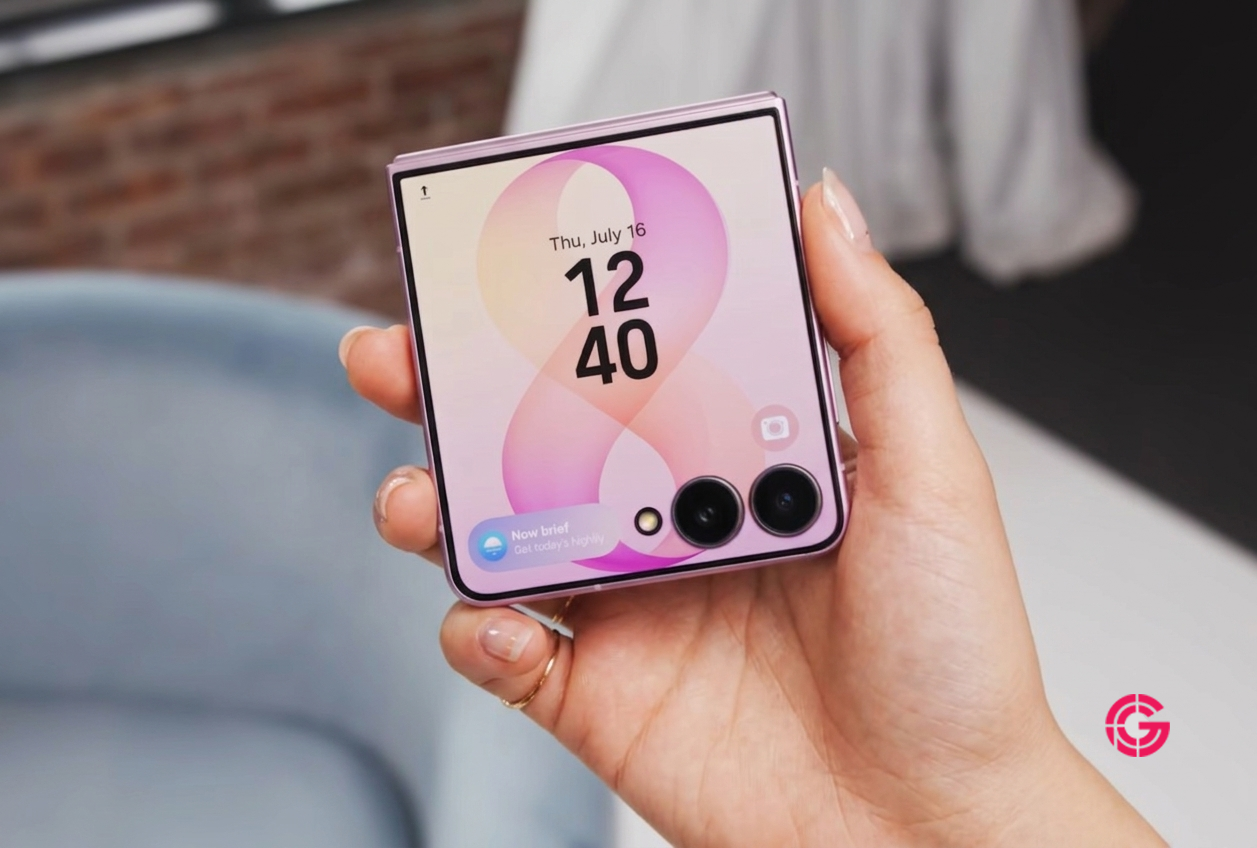
This separation is strategically important. Samsung no longer needs one Fold to satisfy every buyer. The regular Fold8 can prioritize weight and ergonomics without being criticized for offering less than the Ultra.
Colors: Lavender may be the standout option
The Galaxy Z Fold8 is offered in Graphite, Cream and Lavender, with Pistachio available as an online-exclusive color in selected markets. Color availability can vary by country, carrier, storage tier and Samsung.com exclusivity.
Galaxy Z Fold8 colors in video
This short video shows the Galaxy Z Fold8 design and color finishes from multiple angles. Availability may vary by market and storage configuration.
Price and value
Samsung lists the unlocked Galaxy Z Fold8 at $1,899.99 in the United States for 256GB, $2,099.99 for 512GB and $2,499.99 for 1TB before promotions or trade-in credits.
That pricing prevents the regular Fold8 from becoming a mass-market device. Its value depends on whether the lighter form factor solves a real problem for the buyer.
Who should buy the Galaxy Z Fold8?
Buy it when:
- You want a foldable that weighs close to a conventional flagship.
- You read long articles, e-books, documents or magazines frequently.
- You prefer photography and media consumption over heavy multi-window work.
- You want flagship performance without the largest Fold body.
- You value a wider, more reachable cover display.
Skip it when:
- You need the largest multitasking workspace.
- You want Samsung’s 200MP foldable camera system.
- You watch mostly widescreen video and dislike black bars.
- You are not comfortable paying nearly $1,900 for a 256GB phone.
- You want independent battery, durability and camera testing first.
PhonesGate take: Samsung found a better reason for a smaller Fold
The Galaxy Z Fold8 initially looks like a reduced Fold8 Ultra. After examining how its dimensions affect real tasks, it becomes a more coherent product.
The 201 g weight is the breakthrough. It changes the Fold from an object users tolerate for its large screen into a device that may feel comfortable throughout the day. The 4:3 panel reinforces that advantage by making photos, books, web pages and documents feel natural.
The Fold8 Ultra remains the superior productivity machine, but the regular Fold8 may be the better personal device. Samsung has not simply made a cheaper Ultra; it has created a second type of book-style foldable.
Early verdict
The Samsung Galaxy Z Fold8 is more appealing than expected because it accepts that not every foldable buyer wants a pocket workstation. Its lighter body, wide aspect ratio, 4,800mAh battery and flagship processor create a product focused on comfort and content rather than maximum specifications.
The high price and reduced camera flexibility remain significant compromises. Independent testing is required before judging battery life, thermal behavior, hinge durability and camera quality.
Still, Samsung’s new wide Fold is not merely the model below the Ultra. For reading, photography and everyday portability, it may be the more thoughtful design.
Frequently asked questions
Is the Galaxy Z Fold8 the same as the Fold8 Ultra?
No. The regular Fold8 uses a shorter and wider design with a 5.5-inch cover screen, 7.6-inch inner display, 201 g weight, dual 50MP cameras and a 4,800mAh battery.
How much does the Galaxy Z Fold8 weigh?
Samsung lists it at 201 grams, making it the lightest Galaxy Z Fold to date.
What colors are available?
Standard colors include Lavender, Graphite and Cream. Pistachio is an online-exclusive option in selected markets.
How much does the Galaxy Z Fold8 cost?
Samsung’s US price starts at $1,899.99 for 256GB before trade-ins or promotions.
Is the Fold8 good for multitasking?
Yes, but the larger Fold8 Ultra offers more space for demanding side-by-side workflows.