

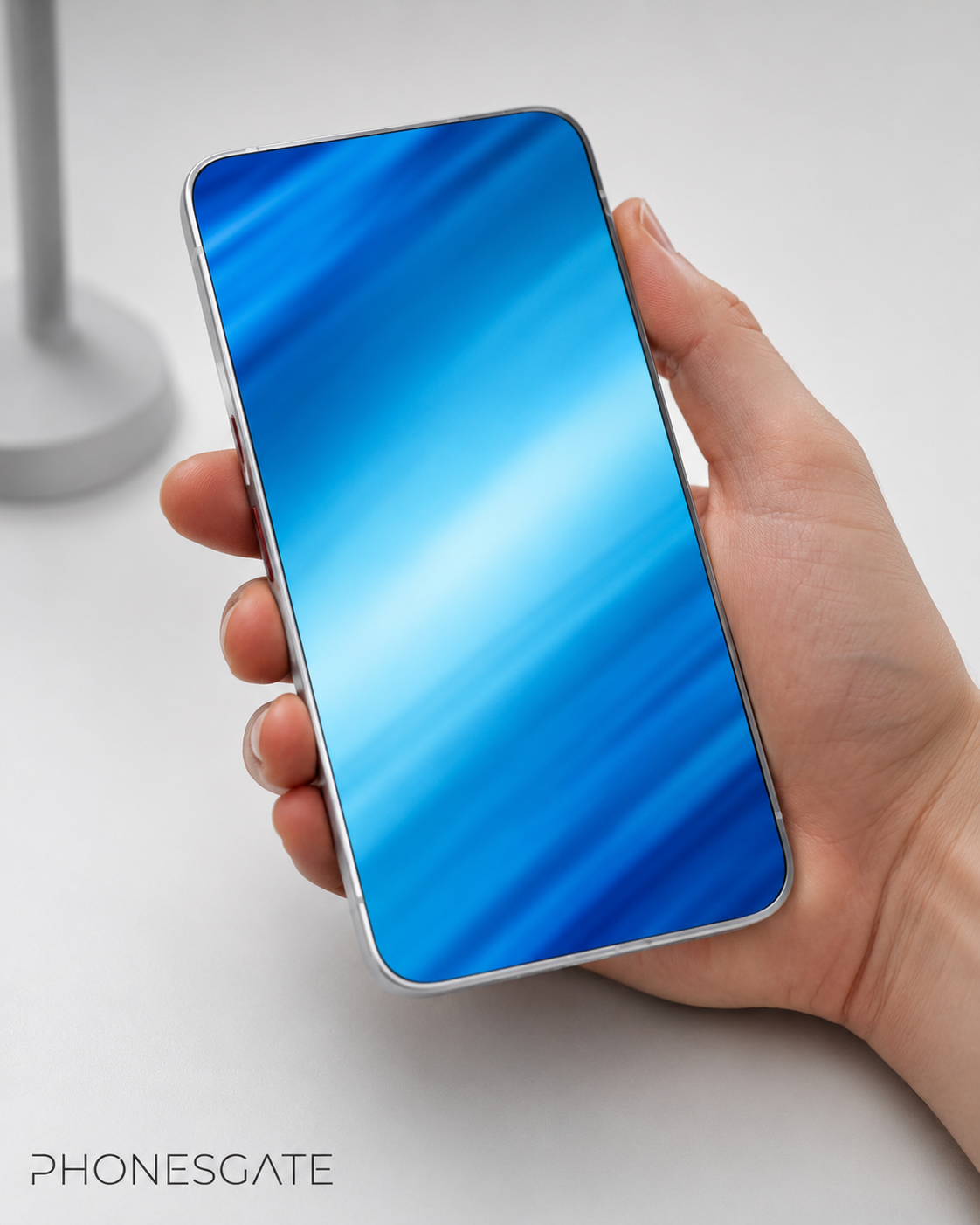
TECNO is preparing to show a “true 0mm screen bezel” concept phone at ShowStoppers @ IFA 2026 in Berlin. The company calls it the TECNO Next-Gen Bezelless Concept Phone and says it will premiere during the official media event on 3 September 2026. The teaser shows a display appearing to reach all four sides of the device without a visible black border.
This is a concept rather than a fully announced retail smartphone. TECNO has not published a price, commercial release date, complete specification sheet or explanation of how the display is protected. Those missing details matter because removing the visible bezel is only one part of the engineering challenge.
PhonesGate examines what TECNO has officially confirmed, what “0mm bezel” is likely to mean in practice, and the technical compromises that must be solved before a design like this can become a dependable everyday phone.
Key takeaway
TECNO will show a concept phone with a claimed true 0mm screen bezel at IFA 2026. Here is what is confirmed and what the design must solve.
Quick answer
TECNO has officially teased a concept phone with what it describes as a true 0mm screen bezel. It is scheduled to appear at ShowStoppers @ IFA 2026 on 3 September in Berlin. The announcement confirms the design objective, but it does not yet confirm the phone’s display size, panel supplier, resolution, refresh rate, camera system, durability rating or whether a retail model will follow.
The most important question is therefore not whether the prototype looks impressive. It is whether TECNO can preserve touch accuracy, drop protection, repairability, front-camera quality and case compatibility after removing the visible border that normally protects the display.
9 min read
PhonesGate coverage from PhonesGate. Published Jul 31, 2026.
What TECNO has officially announced
TECNO’s teaser uses three clear phrases:
- “A true 0mm screen bezel”;
- “TECNO Next-Gen Bezelless Concept Phone”;
- “Premiering at IFA 2026 ShowStoppers.”
IFA’s official schedule lists ShowStoppers @ IFA 2026 for Thursday, 3 September, from 18:00 to 21:00 at the South Entrance Hall of Messe Berlin. It is the official invitation-only media reception held before the main exhibition opens to the public.
As of 31 July 2026, TECNO has not released a complete press specification or confirmed that this exact concept will enter mass production. PhonesGate therefore treats every detail beyond the visible design and event timing as unconfirmed.
What does a “0mm bezel” actually mean?
On a normal smartphone, the visible bezel is the dark frame between the active pixels and the outer edge of the device. Some of that space is required for display routing, structural support, adhesive, panel encapsulation and impact protection.
A “0mm” claim is likely to describe the visible border from the user’s perspective rather than the complete absence of structural material. Even when pixels appear to reach the outer edge, the phone still needs a frame, sealing layers and a way to protect the OLED panel.
Independent measurement will be necessary after the prototype is shown. Marketing images can make a border appear smaller through dark wallpapers, reflections and viewing angles. A convincing demonstration should show the panel under bright light, with a white screen, from all four sides.
The six engineering problems TECNO must solve
1. Accidental touches
With almost no inactive border, fingers naturally rest closer to the active display. The software must distinguish an intentional tap from the hand gripping the phone. Weak palm rejection could make typing, gaming and one-handed use frustrating.
TECNO may need pressure data, touch-shape analysis and motion sensors to identify grip contact. The system must work with bare hands, gloves and protective cases without adding noticeable input delay.
2. Drop and side-impact protection
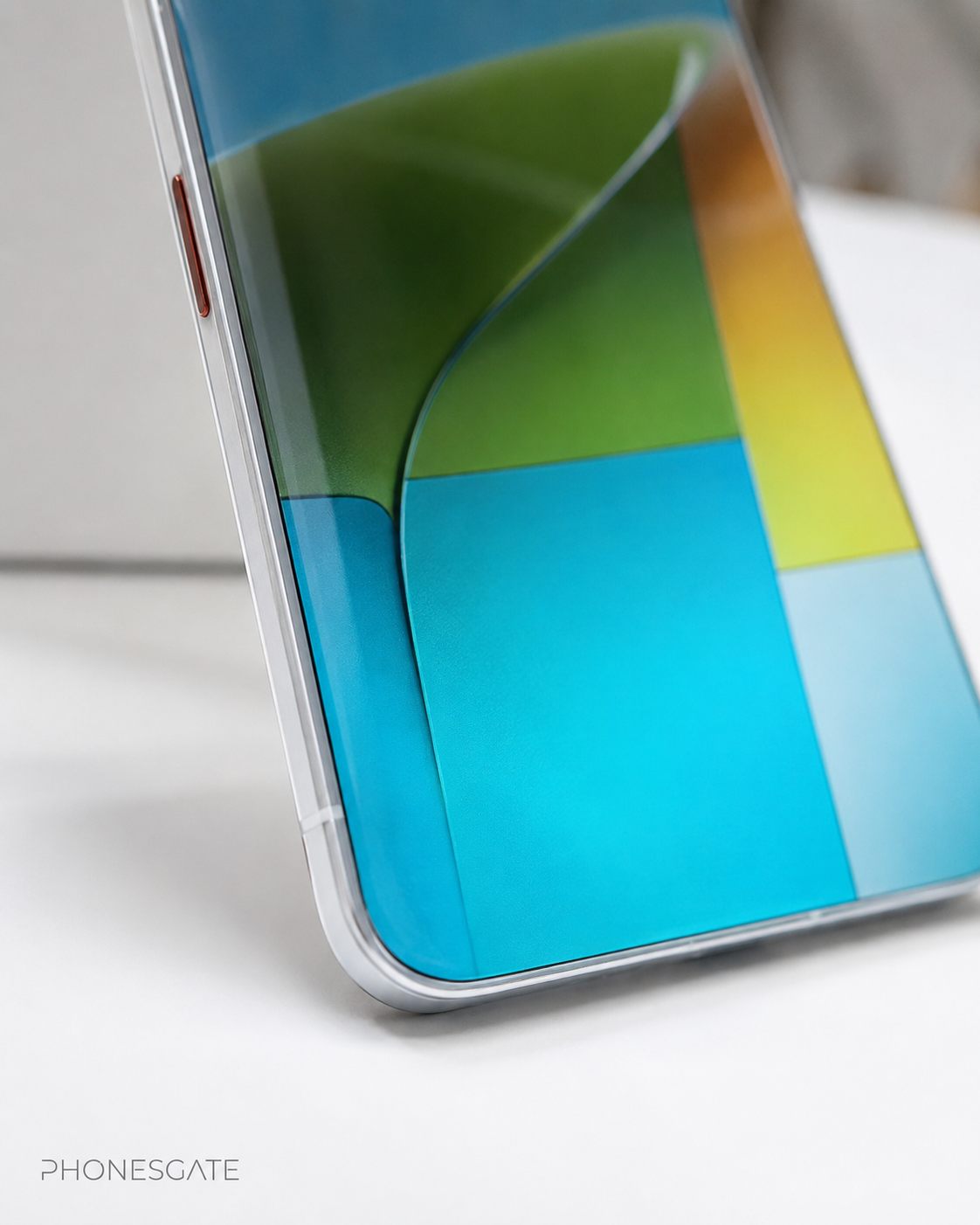
A conventional bezel and raised frame help keep the display away from direct contact with a hard surface. When the panel reaches the edge, a side impact can transfer force more directly into the display stack.
The concept will need strong cover glass, a reinforced internal frame and carefully controlled gaps between the glass and metal. A nearly invisible border is attractive, but it should not turn a minor drop into an expensive screen replacement.
3. OLED sealing and manufacturing yield
OLED panels require encapsulation to protect their organic materials from moisture and oxygen. Display connections and driver components also need physical space. Moving these elements away from the visible edge can require advanced folding, bonding or chip-on-film techniques.
A prototype can use expensive low-volume processes. A retail phone must achieve acceptable manufacturing yield across millions of panels. That transition often determines whether a concept becomes a product or remains a technology showcase.
4. Front camera and sensors
The teaser does not clearly explain where TECNO will place the selfie camera, proximity sensor and ambient-light sensor. A punch-hole would interrupt the borderless effect, while an under-display camera could reduce image quality.
TECNO may use an under-display solution, a very small cutout or a prototype without a final camera arrangement. Until the company demonstrates the device, the front-camera system remains unknown.
5. Cases and screen protectors
A protective case normally rises slightly above the display. That lip helps protect the glass but can also hide the outermost pixels or interfere with edge gestures on a 0mm-bezel phone.
Screen protectors present a similar problem. Alignment must be extremely precise, and adhesive near the edge can affect touch response or visual clarity. A retail version would need accessories designed together with the hardware.
6. Repair cost
A display that is closely integrated with the frame may look cleaner but become harder to replace. Repairability will depend on whether technicians can separate the glass, OLED panel and chassis without replacing most of the front assembly.
For buyers, a visually impressive design is less valuable when one cracked edge requires an unusually expensive repair.
Why a real zero-bezel phone could matter
Smartphone design has changed slowly in recent years. Cameras have grown larger and frames have become flatter, but the basic front layout remains familiar. A genuinely borderless display would create a more immediate visual change than another minor camera-ring redesign.
There are practical benefits as well:
- a larger usable screen within the same body width;
- a smaller device without reducing display area;
- more immersive video and gaming;
- cleaner symmetry across all four sides;
- new interface possibilities that use the extreme edges.
The benefit will be strongest if TECNO keeps the phone comfortable to hold. A larger screen-to-body ratio is less useful when accidental touches force the user to add a thick case that recreates the missing bezel.
Concept phone or future commercial flagship?
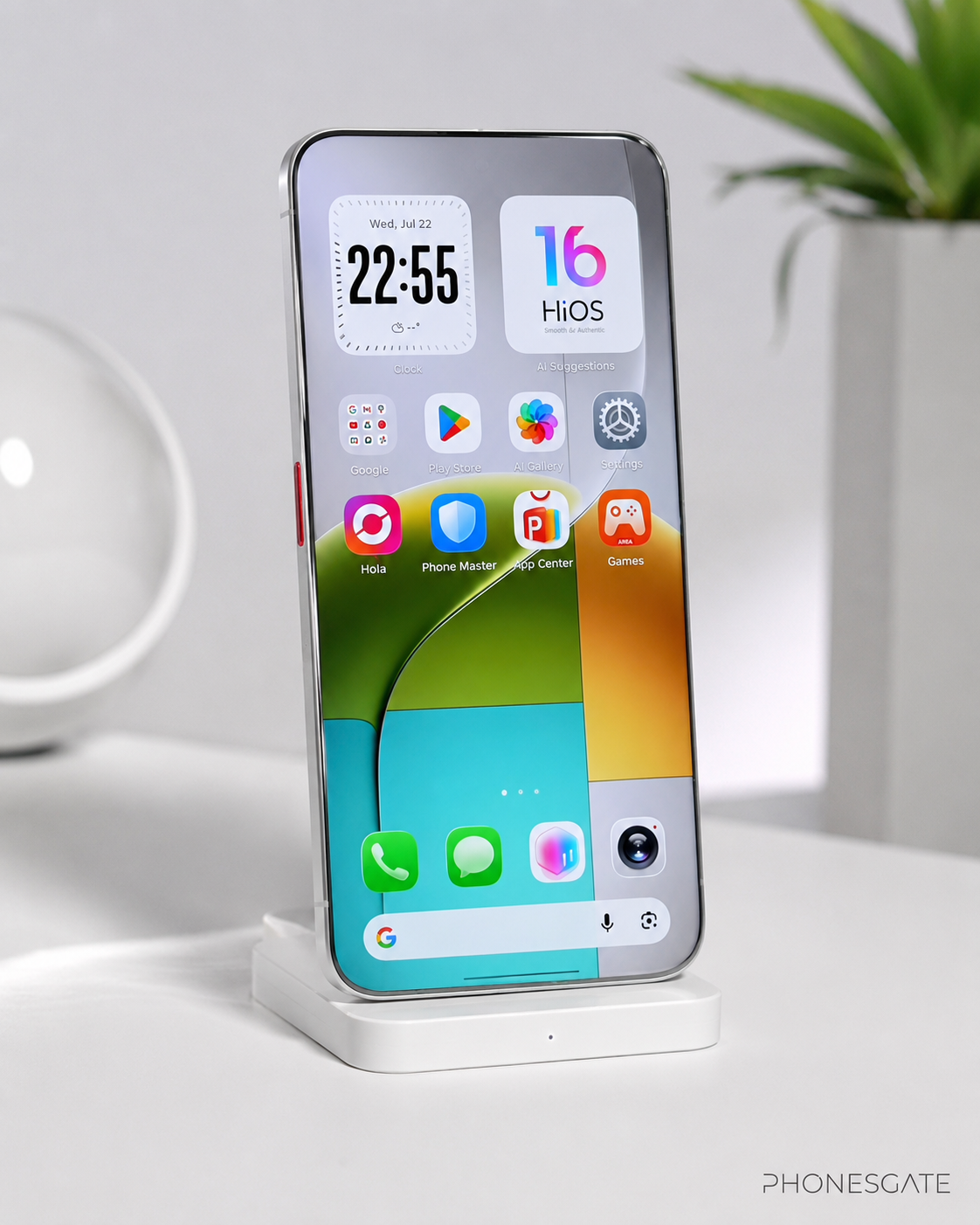
TECNO has a history of using major technology events to demonstrate experimental smartphone ideas. A concept can serve several purposes even when it is not ready for sale:
- testing public and media reaction;
- showing progress to display and manufacturing partners;
- building brand recognition around a distinctive design;
- preparing technology for a later CAMON or PHANTOM device;
- demonstrating manufacturing capability before competitors.
The most realistic commercial path would be gradual. TECNO could first introduce an ultra-thin visible border on a premium phone, then move closer to the concept once panel yield, durability and repair processes improve.
PhonesGate would not describe the concept as an upcoming retail model until TECNO confirms a product name, market availability and final hardware specifications.
What to look for during the IFA demonstration
Question Why it matters Is the display active to all four edges? A white test screen will reveal any hidden black border. Where is the selfie camera?
It will show whether TECNO uses a cutout or under-display camera. How does palm rejection work? Accidental touches are the largest usability risk.
Does the frame sit above the glass? A raised frame could provide essential drop protection. Can it use a normal protective case?
Case compatibility determines whether the design survives daily use. Is the device functional or a display prototype? A working phone is more meaningful than a non-interactive design sample.
Will TECNO provide a durability demonstration? Drop, pressure and water-resistance data would support the commercial case.
How it compares with today’s “bezel-less” phones
Modern flagship phones already use very narrow borders, but they still retain a small visible frame around the active panel. Manufacturers have reduced that space through flexible OLED panels, smaller display-driver components and improved bonding.
TECNO’s concept attempts to remove the final visible separation. That would be a meaningful visual milestone, but it does not automatically improve brightness, colour accuracy, efficiency or touch quality. The complete display experience still depends on panel quality and software tuning.
PhonesGate take
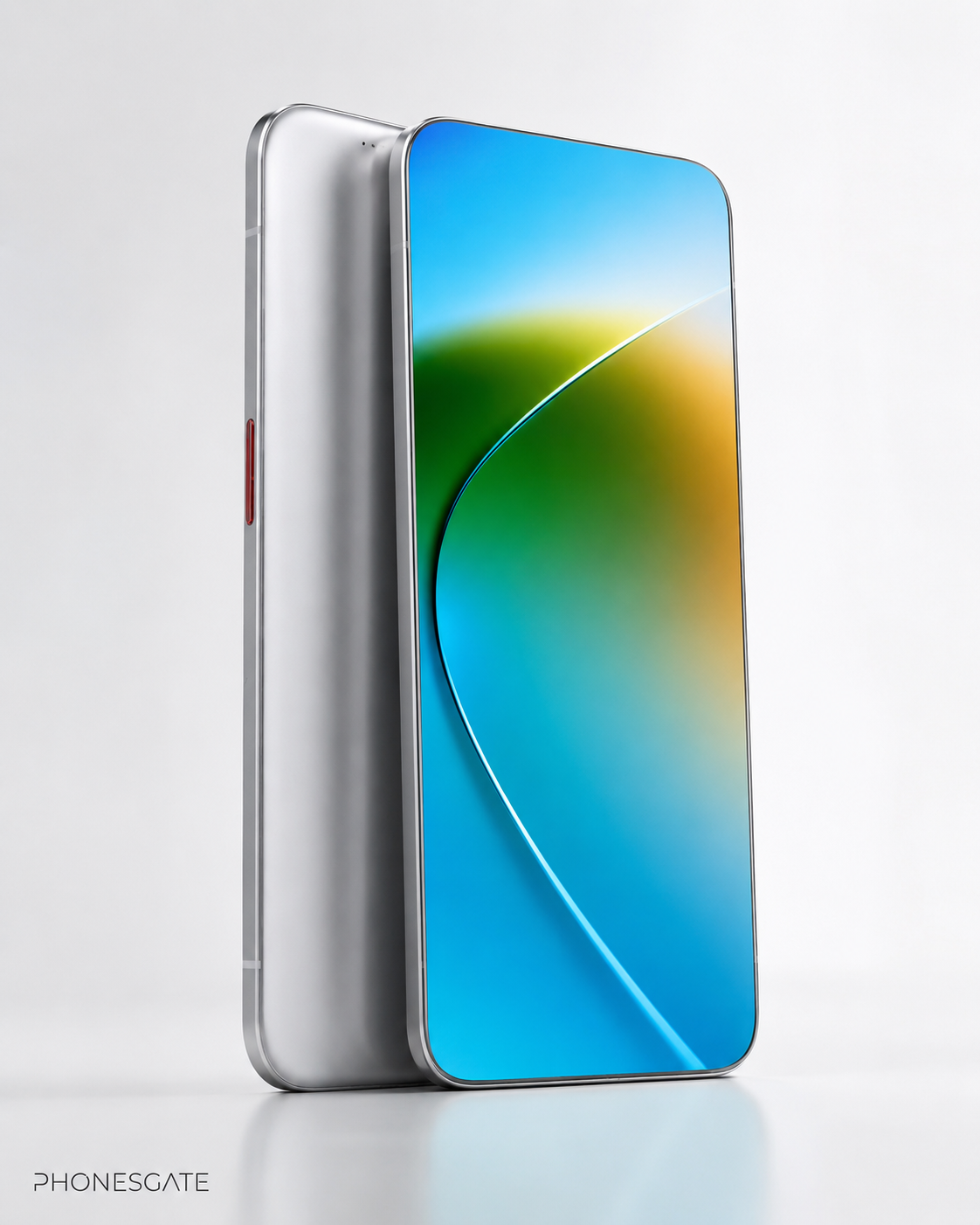
TECNO’s 0mm-bezel concept is more interesting than another specification increase because it targets the physical identity of the smartphone. A screen that visually reaches every edge could make current flagships look dated very quickly.
However, the difficult part is not producing a dramatic prototype. It is delivering the same effect in a phone that survives drops, rejects accidental touches, supports a useful selfie camera, accepts a protective case and can be repaired at a reasonable cost.
TECNO should use the IFA demonstration to show engineering rather than only aesthetics. A live white screen, close-up edge measurements, palm-rejection tests and a clear explanation of panel protection would make the claim far more credible.
Final verdict
The TECNO Next-Gen Bezelless Concept Phone is one of the most visually ambitious smartphone ideas scheduled for IFA 2026. The official teaser confirms a claimed 0mm screen bezel and a ShowStoppers premiere on 3 September.
Everything else—including retail availability, final specifications and durability—remains open. The concept could preview a genuine shift in smartphone design, but its importance will depend on whether TECNO has solved the practical problems normally hidden inside the final millimetre of bezel.
Frequently asked questions
Has TECNO launched a 0mm-bezel phone?
TECNO has announced a concept phone that it says has a true 0mm screen bezel. The public demonstration is scheduled for IFA 2026.
When will TECNO show the concept?
TECNO says the phone will premiere at ShowStoppers @ IFA 2026. The official IFA schedule places that event on 3 September 2026 in Berlin.
Can consumers buy it?
TECNO has not announced retail availability, pricing or a commercial product name.
Does 0mm mean there is no frame?
Probably not. The claim most likely refers to the absence of a visible display border. The phone still needs structural and sealing components.
Are the images in this article official TECNO renders?
No. They are PhonesGate editorial concept visuals created to illustrate the announced design idea.
Sources and methodology
This article is based on TECNO’s official public teaser and IFA’s official ShowStoppers event schedule. PhonesGate clearly separates confirmed details from engineering analysis and does not treat the concept as a retail product.