

2026 has become one of the most interesting years for smartwatches in a long time. The biggest wearable brands are no longer competing only on steps and notifications. Apple is turning the watch into a higher-frequency health platform, Google is pushing proactive AI and emergency health detection, Samsung keeps refining one of the most complete Wear OS packages, Huawei is attacking battery life and premium hardware, and Xiaomi is trying to deliver flagship-class endurance without flagship pricing.
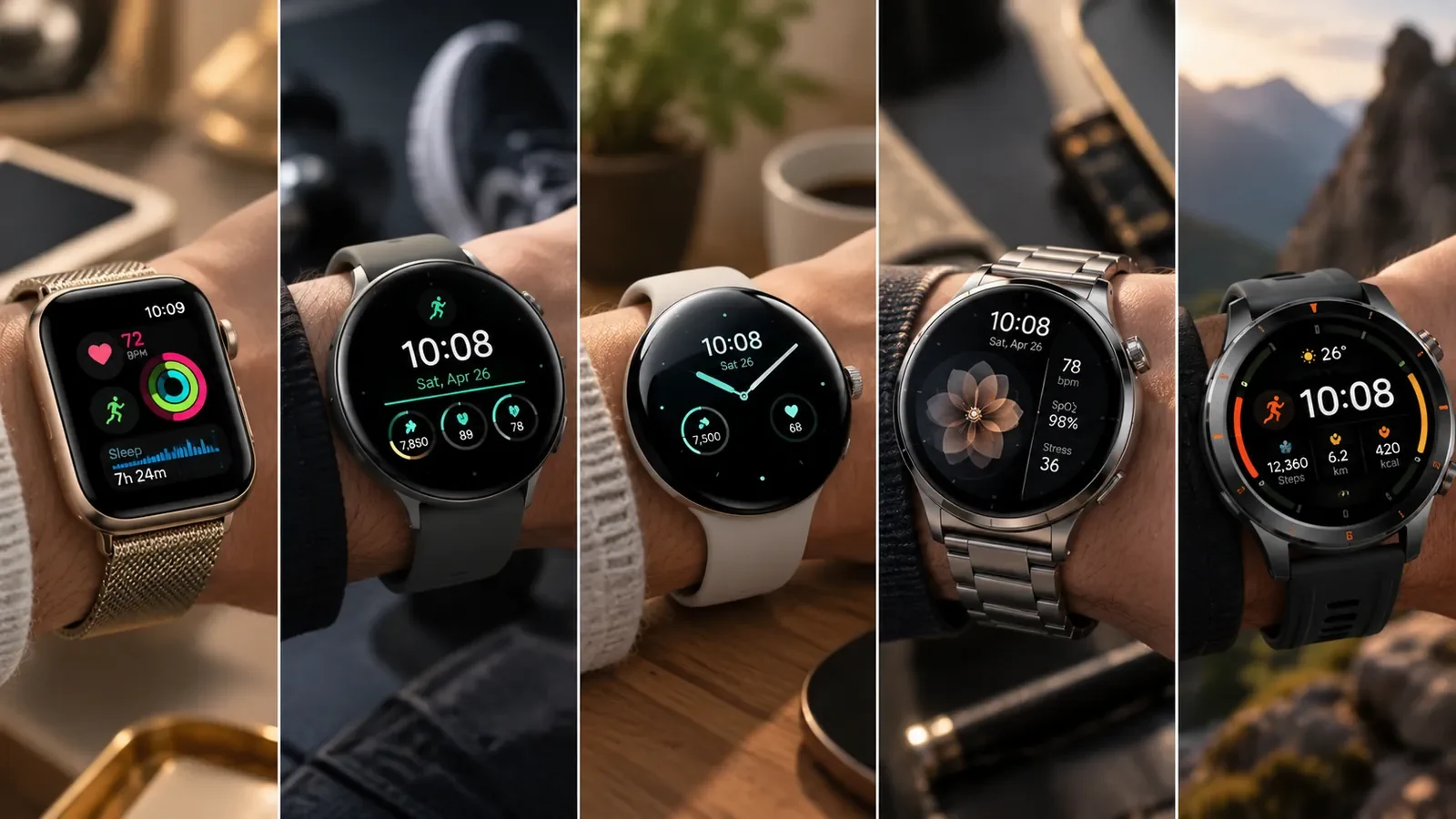
For this Top 5, we picked one current wearable from five of the biggest brands represented in the PhonesGate ecosystem: Apple Watch Series 12, Samsung Galaxy Watch9, Google Pixel Watch 5, Huawei Watch 5 and Xiaomi Watch 5. The point is not simply to stack specifications. Each of these watches has a very different strength, and that makes the comparison far more useful than declaring one universal winner.
Top 5 smartwatches of 2026 at a glance
Model Display Battery claim* Platform Standout feature Apple Watch Series 12 42/46mm OLED Up to 24 hours watchOS 27 Health Sensing System + Readiness Samsung Galaxy Watch9 44mm 1.5" Super AMOLED, 480×480 Up to 40 hours, AOD off Wear OS Balanced health + Galaxy ecosystem Google Pixel Watch 5 45mm LTPO AMOLED, up to 3,000 nits Up to 40 hours with AOD Wear OS 7 Gemini + Health Guardian + satellite SOS Huawei Watch 5 46mm 1.5" LTPO 2.0 AMOLED, 3,000 nits Up to 4.5 days typical HarmonyOS X-TAP health sensing + premium materials Xiaomi Watch 5 1.54" AMOLED, 1,500 nits Up to 6 days typical Wear OS 6 / HyperOS 3 930mAh battery + dual-chip architecture
Key takeaway
The top smartwatches of 2026 take very different approaches. We compare Apple Watch Series 12, Galaxy Watch9, Pixel Watch 5, Huawei Watch 5 and Xiaomi Watch 5 across health, battery life, displays, software and the features that make each one stand out.
*Manufacturer battery claims use different test conditions and should not be treated as directly equivalent laboratory results.
1. Apple Watch Series 12 — the strongest health-first choice for iPhone users
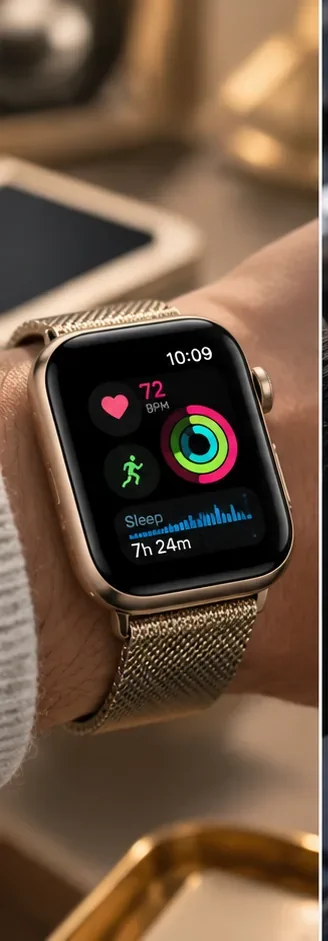
Apple Watch Series 12 is the easiest watch on this list to understand: if you use an iPhone and want the deepest combination of health, fitness, safety and ecosystem features, this remains the reference point.
10 min read
Apple coverage from PhonesGate. Published Sep 21, 2026.
The big change is not the case shape. Series 12 still comes in familiar 42mm and 46mm sizes. The real upgrade is the new Health Sensing System powered by the S11 chip. Apple now measures heart rate every five seconds throughout the day and collects HRV much more frequently than before.
That denser data feeds into Readiness, a 0–10 score that combines activity, training load, vitals and sleep information to help users decide whether they should push harder or recover. It is conceptually simple, but it solves a major wearable problem: turning a mountain of health data into one useful answer.
Series 12 still claims up to 24 hours of everyday battery life, clearly behind Huawei and Xiaomi in raw endurance. Apple partly compensates with much faster top-ups: about 15 minutes can add up to 12 hours of use, which makes short charging sessions easier to fit into a normal day.
What makes it special: higher-frequency health sensing, Readiness, ECG, sleep tools, safety features and Apple Intelligence all work inside one ecosystem.
Best for: iPhone users who value health intelligence and integration more than multi-day battery life.
See the Apple Watch Series 12 device page on PhonesGate.
2. Google Pixel Watch 5 — the most ambitious AI-health smartwatch
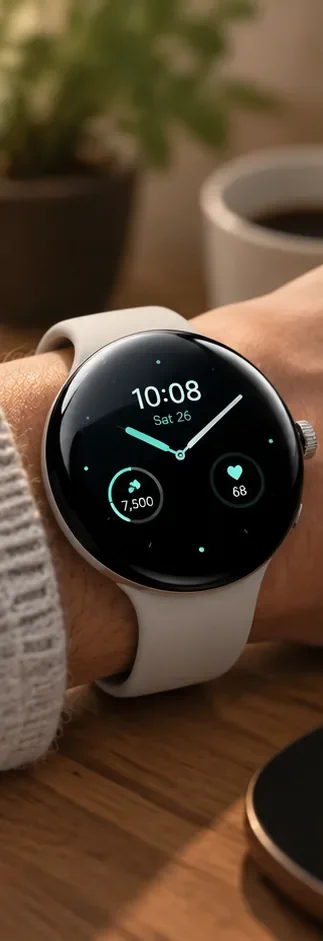
Pixel Watch 5 may be the most technically interesting Android wearable of 2026 because Google is pushing two ideas at the same time: proactive Gemini assistance and a much more ambitious health-monitoring layer.
The 45mm version uses an LTPO AMOLED display that can reach 3,000 nits and refresh from 1–60Hz. Inside is Qualcomm's Snapdragon W5 Gen 2 platform with 64GB of storage. Google also brings dual-frequency GPS, Ultra-Wideband and satellite SOS communication, giving the watch a stronger outdoor and safety story than previous Pixel generations.
Battery life is rated at up to 40 hours with the always-on display enabled on the 45mm model, or up to 72 hours in Battery Saver. That does not challenge Huawei or Xiaomi for outright endurance, but it is a meaningful figure for a full Wear OS smartwatch.
The headline feature is Google's new Health Guardian suite. It introduces features such as breathing-emergency detection and broader wellness trend analysis, while Gemini is designed to become more proactive instead of waiting for every request.
What makes it special: Google is trying to make the smartwatch predictive — not just collecting health metrics, but spotting patterns and surfacing information before the user asks.
Best for: Android users who want Google's AI, Fitbit-style health insights and one of the cleanest Wear OS experiences.
3. Samsung Galaxy Watch9 — the safest Android all-rounder
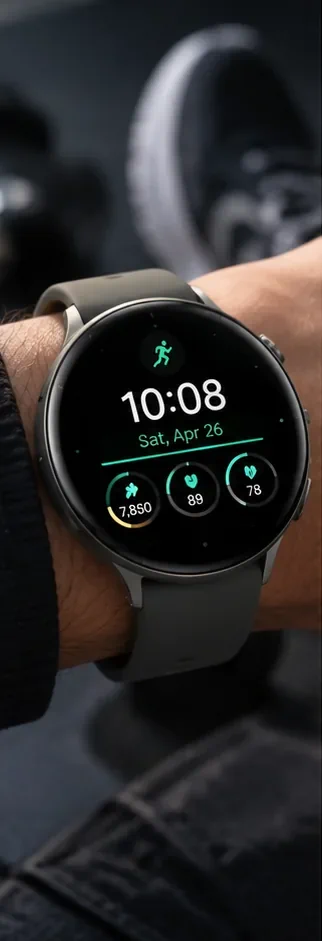
Samsung Galaxy Watch9 is less dramatic than the Pixel Watch 5, but that may actually be its greatest strength. Samsung has been refining Wear OS watches for years, and Watch9 feels built around completeness rather than one giant headline.
The 44mm model uses a 1.5-inch Super AMOLED display with a 480 × 480 resolution. It weighs only 34g, carries 2GB of RAM and 32GB of storage, and includes Samsung's familiar sensor stack: optical heart rate, electrical heart sensing, skin temperature and Bioelectrical Impedance Analysis for body-composition estimates.
The 445mAh battery is rated for up to 40 hours with AOD disabled, or around 30 hours with AOD active. That puts it in roughly the same practical charging class as Pixel Watch rather than the long-endurance Huawei/Xiaomi category.
Samsung's advantage is ecosystem polish. For Galaxy phone owners, Watch9 integrates naturally with Samsung Health, notifications, calls, NFC and the wider Galaxy ecosystem without demanding much setup.
What makes it special: there is no single killer feature, but almost nothing important feels missing.
Best for: Samsung Galaxy users who want broad health tracking, mature software and a familiar interface.
4. Huawei Watch 5 — premium hardware with genuinely long battery life
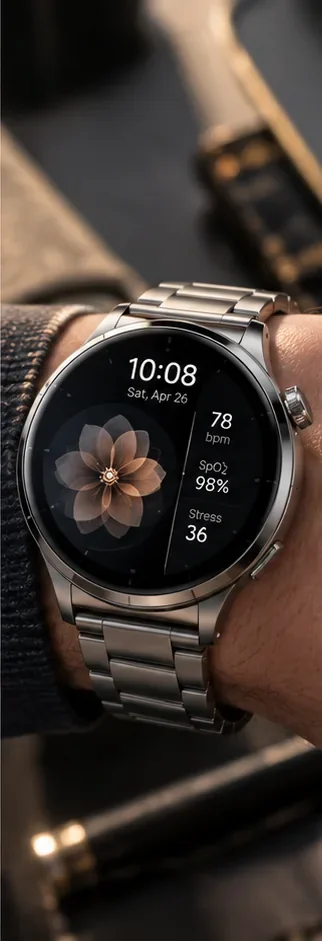
Huawei Watch 5 attacks the smartwatch problem from a very different direction. Instead of trying to match Apple and Google feature-for-feature inside their software ecosystems, Huawei focuses heavily on materials, battery life and health sensing.
The 46mm version uses a 1.5-inch LTPO 2.0 AMOLED display with 466 × 466 resolution and up to 3,000 nits peak brightness. Depending on the finish, buyers can get aerospace-grade titanium or stainless steel, with premium versions using sapphire glass.
Battery life is the clear advantage. Huawei quotes around 4.5 days of typical use on the 46mm model, or about three days with the always-on display enabled. That is multiple times longer than the daily-charge rhythm of Apple Watch.
The other unusual feature is X-TAP, Huawei's additional health-sensing interaction point. Combined with ECG, temperature, SpO2, heart rate and depth sensing, it gives the Watch 5 one of the most diverse sensor suites in the category.
What makes it special: it behaves more like a premium traditional watch while still delivering modern health data and real multi-day endurance.
Best for: users who prioritize premium materials, health tracking and battery endurance over maximum third-party app depth.
See the Huawei Watch 5 device page on PhonesGate.
5. Xiaomi Watch 5 — the battery monster that still runs a full smartwatch platform
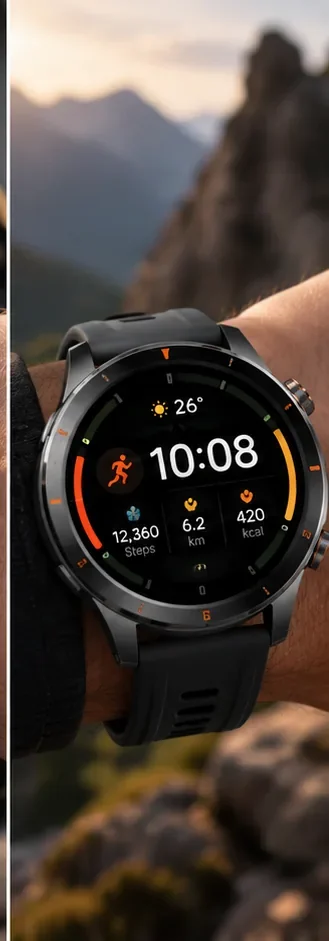
Xiaomi Watch 5 may be the most surprising device in this comparison. It combines a 930mAh battery with a 1.54-inch AMOLED screen, Snapdragon W5 Gen 1 and a second low-power BES2800 processor designed to handle lighter background tasks more efficiently.
That dual-chip strategy is the reason Xiaomi can claim around six days of typical smart-mode use, four days with always-on display and up to 18 days in power-saving mode. Those numbers are especially impressive for a watch that still provides Wi-Fi, GPS, NFC, Bluetooth calling and a full app-capable software stack.
The display reaches 1,500 nits and uses a 480 × 480 resolution. The watch also includes an unusual EMG sensor alongside heart-rate, SpO2, barometer and motion sensors.
The trade-off is size. At 47mm and 56g without the strap, Watch 5 is substantial. Buyers with smaller wrists may prefer something lighter. But if battery anxiety is your biggest smartwatch complaint, Xiaomi has arguably the strongest answer in this group.
What makes it special: near-fitness-watch endurance while keeping many of the features people expect from a full smartwatch.
Best for: users who want maximum battery life without giving up a modern smartwatch platform.
See the Xiaomi Watch 5 device page on PhonesGate.
Battery life is the biggest difference between these five
If there is one specification that completely changes the buying decision, it is battery life. Apple, Google and Samsung are still built around frequent charging because they prioritize rich app ecosystems, continuous connectivity and tightly integrated health features. Huawei and Xiaomi take a different approach and stretch runtime across several days.
Watch Headline battery figure Practical charging pattern Apple Watch Series 12 Up to 24 hours Daily, but very fast short top-ups Galaxy Watch9 44mm Up to 40 hours with AOD off Usually every 1–2 days Pixel Watch 5 45mm Up to 40 hours with AOD Usually every 1–2 days Huawei Watch 5 46mm Up to 4.5 days typical Every several days Xiaomi Watch 5 Up to 6 days typical Every several days
These are manufacturer claims under different usage conditions, so they should be used to understand general endurance categories rather than as identical lab-test results.
Which smartwatch should you actually buy?
If you care most about… Best fit Why iPhone integration and health intelligence Apple Watch Series 12 Deep Apple integration plus Readiness and higher-frequency health sensing. Samsung phone integration Galaxy Watch9 Strong Wear OS experience, BIA, ECG, temperature sensing and Galaxy software.
Google AI and proactive health features Pixel Watch 5 Gemini Intelligence, Health Guardian, dual-frequency GPS and satellite SOS. Multi-day battery and premium materials Huawei Watch 5 Titanium/steel options, sapphire glass, X-TAP and multi-day endurance.
Battery capacity and value Xiaomi Watch 5 930mAh battery, up to six days typical use and dual-chip efficiency.
There is no universal winner because these watches are designed around different ecosystems and priorities. The best Apple Watch still makes the most sense for an iPhone owner, while Samsung and Google are stronger choices for people who want deep Android integration. Huawei and Xiaomi become much more attractive when charging frequency is a major concern.
The most interesting trend of 2026: wearables are becoming health computers
The bigger story is what all five watches say about the wearable market. Smartwatches used to be defined by notifications, steps and basic heart rate. In 2026, the competition has moved into a more sophisticated phase.
Apple is sampling health data more frequently and translating it into Readiness. Google is building Health Guardian and emergency detection around AI. Samsung continues combining ECG, temperature and body-composition sensing. Huawei is expanding dedicated health hardware through X-TAP. Xiaomi is adding EMG while using a huge battery to keep the watch running for days.
This is why wearables are becoming interesting again. The watch is no longer just a smaller screen for your phone. It is becoming the device that knows what your body is doing while your phone sits in a pocket.
PhonesGate verdict
The best smartwatch of 2026 depends more on your ecosystem and battery expectations than on any single specification.
Apple Watch Series 12 is the strongest health-focused choice for iPhone users. Pixel Watch 5 is the most ambitious combination of Google AI and health tracking. Galaxy Watch9 is the safest all-round Android option. Huawei Watch 5 combines premium materials with genuinely useful multi-day endurance. And Xiaomi Watch 5 is the battery-value standout.
The most important conclusion is that these five watches are no longer trying to be the same product. That is good news. The wearable market finally has meaningful choices again.