

The Vivo X300 Ultra looks like one of the strongest camera-phone challengers of 2026. Based on the supplied hands-on materials, side-by-side portrait and zoom comparisons, and accessory shots, this phone is doing more than chasing headline specs. It appears to combine a large camera-focused hardware package, an aggressive 85mm 200MP telephoto strategy, a 6,600mAh battery and a genuinely useful photography ecosystem into one unusually ambitious flagship.
Just as importantly, the comparisons against Apple’s current Pro models suggest the Vivo is not only chasing longer zoom, but also better framing flexibility and more distinctive image character. That does not automatically make it the best smartphone for every buyer, but it does make a serious case that the Vivo X300 Ultra could be the best camera phone of 2026 for people who care more about photography than ecosystem lock-in.
Quick answer
If mobile photography is your top priority, the supplied material points to the Vivo X300 Ultra as one of the most compelling camera phones of 2026 thanks to its 85mm 200MP telephoto camera, flexible shooting kit, strong portrait output, big-battery promise and visibly stronger zoom results than the iPhone 17 Pro shown in the comparisons.
Key takeaway
The Vivo X300 Ultra pairs an 85mm 200MP telephoto camera, creator-focused accessories and a claimed 6,600mAh battery to make a strong early case as one of 2026’s most exciting camera phones.
The main caveats are equally clear: Vivo’s camera-first approach may come with a bulkier camera island, region-dependent availability and a workflow that will appeal more to enthusiasts than to buyers who simply want the most mainstream flagship.
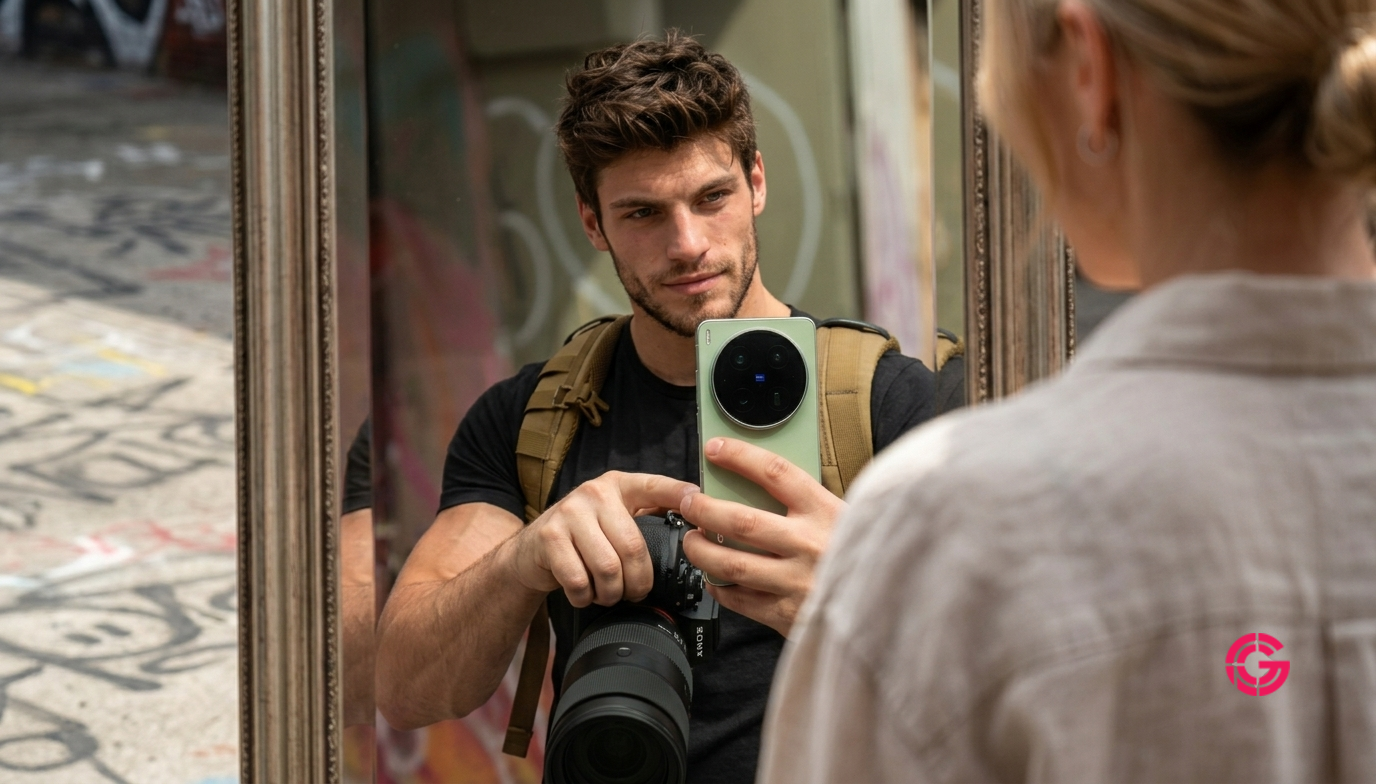
Why the Vivo X300 Ultra stands out
Area What the supplied materials show Why it matters Telephoto hardware 85mm ZEISS tele camera with a 200MP sensor Suggests unusually flexible portrait and crop-heavy zoom shooting Portrait quality Convincing 85mm portrait output and shallow-looking background separation Portrait photography is often where flagship cameras separate themselves Battery 6,600mAh claim shown in the supplied material Important for heavy camera days, editing and long outdoor use Accessories Dedicated photo grip and broader photography-kit messaging Makes the device feel closer to a creator tool than a normal slab phone Comparison vs iPhone Supplied side-by-side images favor Vivo in zoom reach and framing flexibility That is the comparison most premium buyers will actually care about Camera identity Large circular module with ZEISS branding and creator-focused positioning Vivo is marketing the camera as the reason to choose the phone
9 min read
iPhone coverage from PhonesGate. Published Jul 25, 2026.
The 85mm 200MP telephoto looks like the headline feature
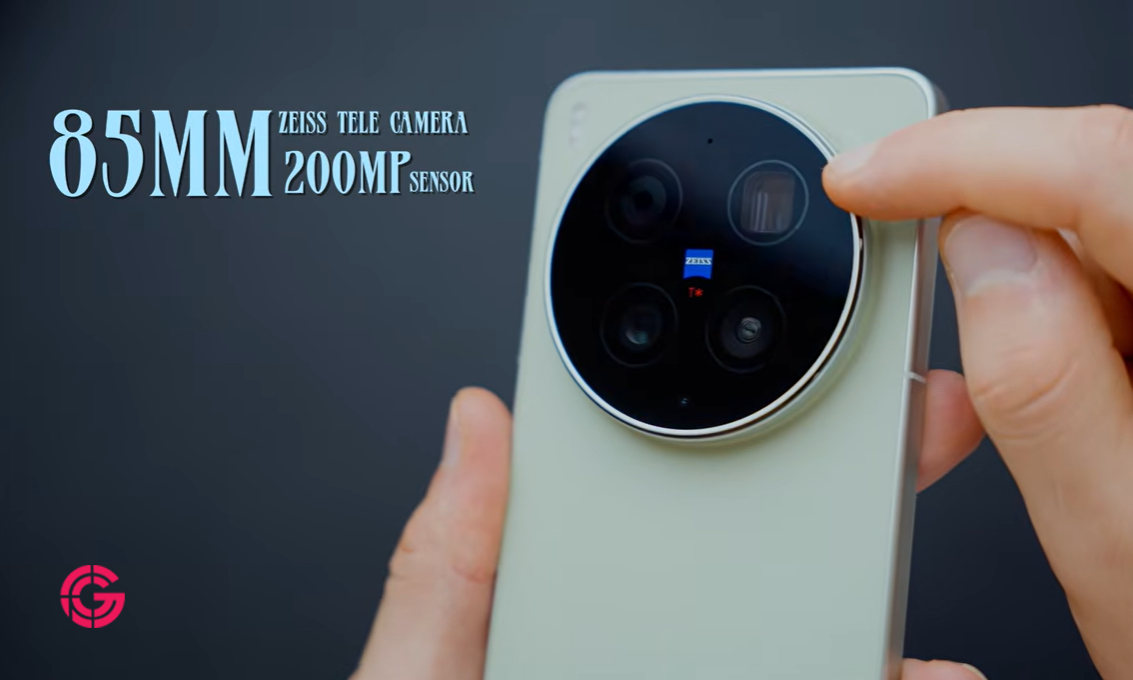
The most important clue in the supplied material is not the battery figure or the industrial design. It is the repeated emphasis on the 85mm ZEISS tele camera with a 200MP sensor. That combination matters because 85mm remains one of the most natural focal lengths for flattering portraits, tighter detail crops and street-style compression without forcing you too far away from a subject.
In practice, that means the Vivo X300 Ultra seems designed to do three things very well: deliver cleaner portraits, give photographers more freedom to crop without the image falling apart, and hold quality deeper into medium-range zoom levels where many phones start to look processed or flat. The supplied comparison material keeps returning to this idea, which strongly suggests the telephoto camera is the heart of the device rather than just a supporting lens.
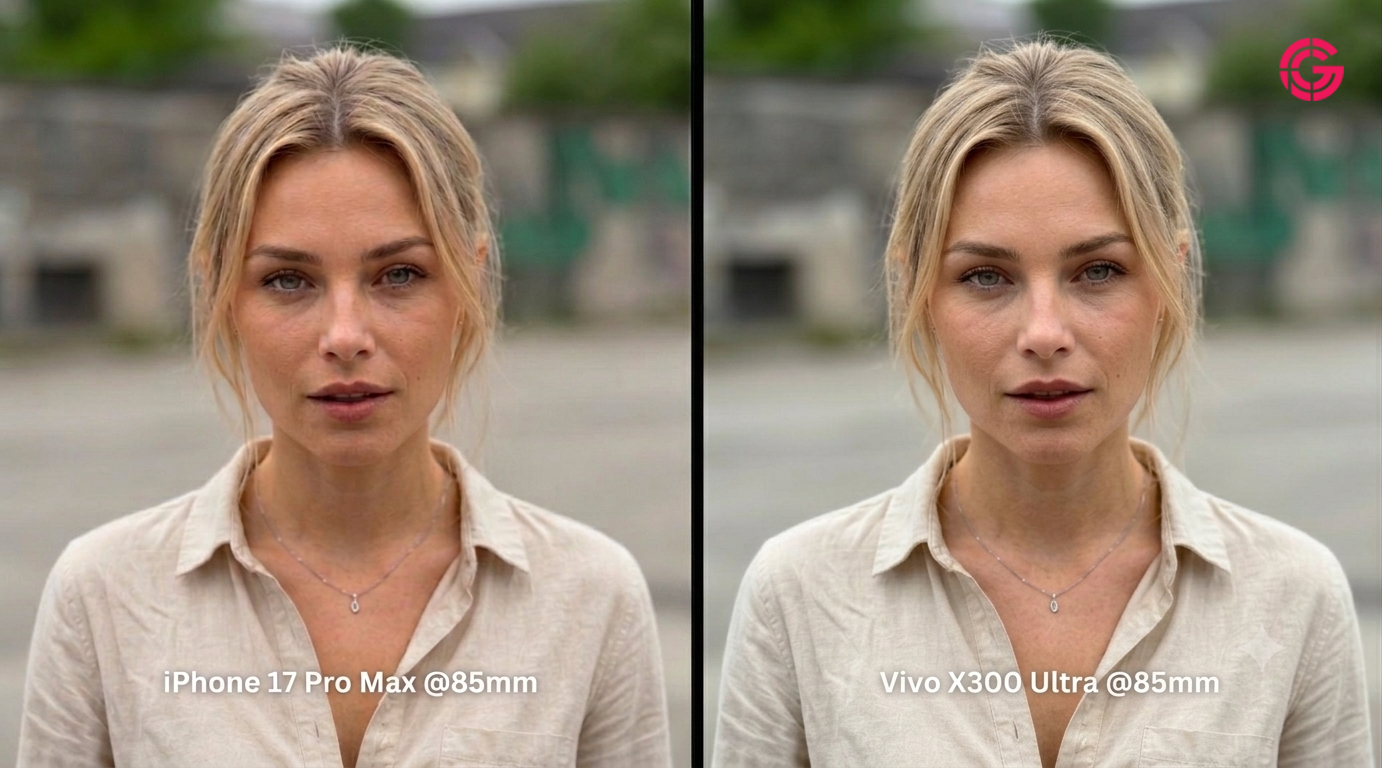
The side-by-side 85mm portrait sample is especially important because it tackles a scene smartphone buyers instantly understand: a face, neutral light and a softly blurred background. That is the sort of comparison that reveals differences in skin rendering, subject isolation, edge handling and overall realism far more effectively than synthetic studio charts.

Vivo is pushing a more serious creator story than most flagships
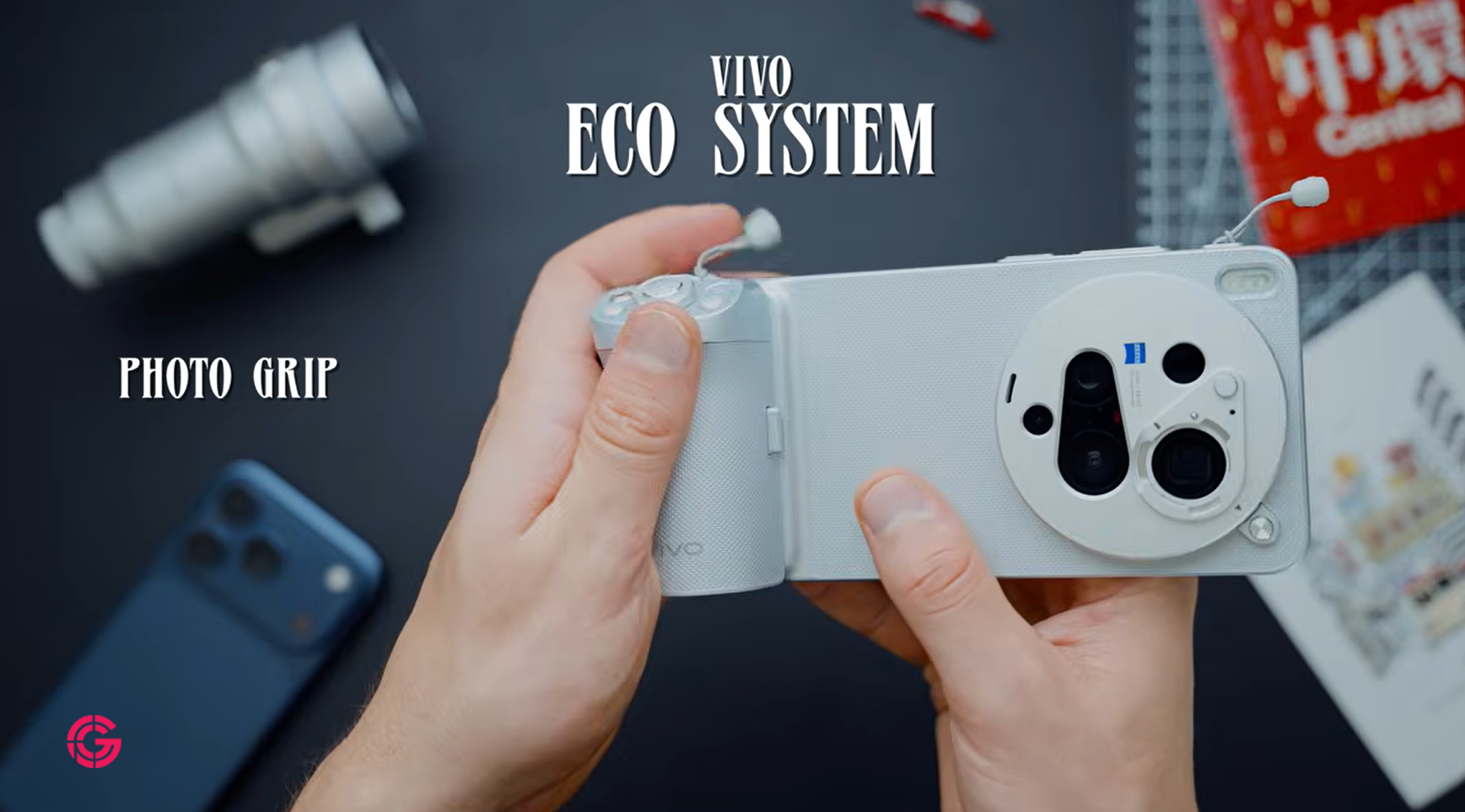
Another reason the X300 Ultra stands out is that Vivo does not appear content with merely shipping a camera-heavy phone. It is building an ecosystem around it. The supplied materials show a dedicated photo grip, creator-style accessory language and multiple visual cues that frame the X300 Ultra as a tool for photographers rather than just another premium Android handset.
This matters because most smartphones talk about being “pro” while still assuming quick point-and-shoot behavior. Vivo, by contrast, seems to be acknowledging that some users actually want grip ergonomics, more deliberate shooting control and a product identity that sits closer to camera culture.
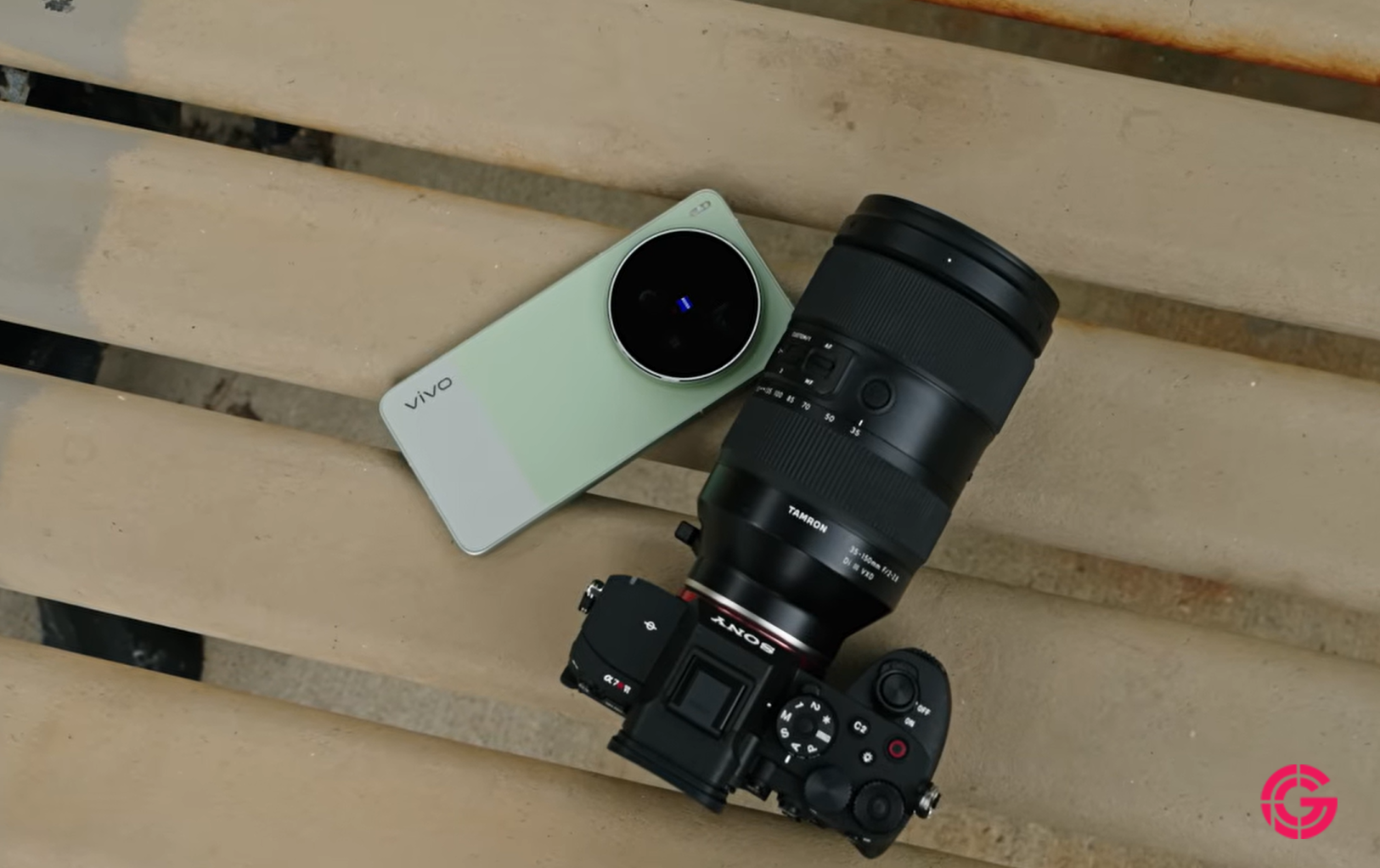
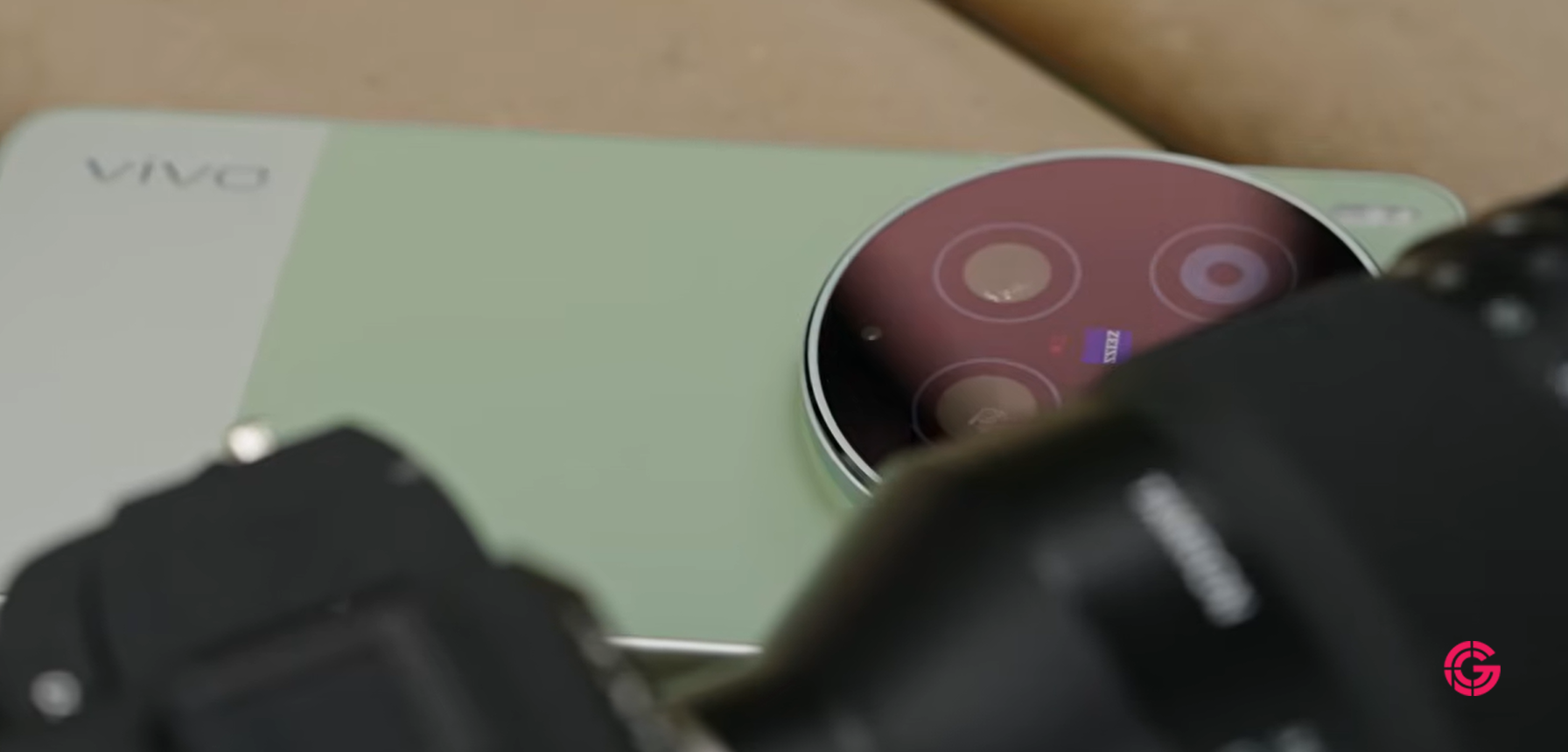
The image of the phone next to a Sony body reinforces that idea. It is not a scientific test, but it is effective positioning. Vivo wants enthusiasts to think of the X300 Ultra as a legitimate everyday alternative when carrying a full camera is inconvenient, unnecessary or simply too heavy.
The big battery could be just as important as the camera
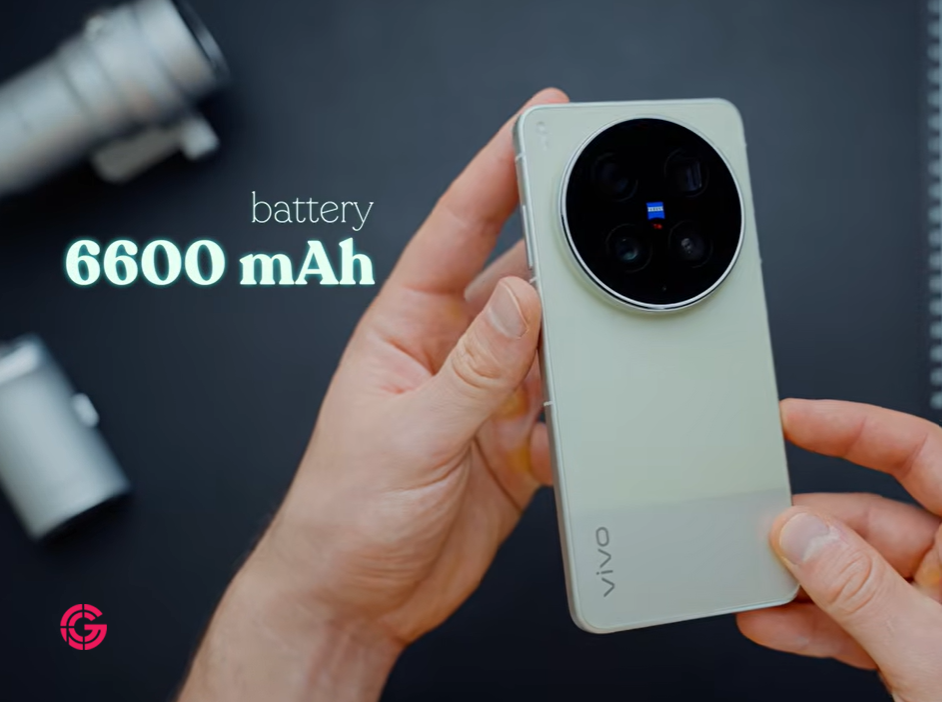
Camera phones often win the specification battle and then disappoint in day-long real use because the screen, ISP and processing overhead drain battery too quickly. That is why the supplied 6,600mAh claim matters so much. If accurate, it would give the X300 Ultra a major real-world advantage over many premium rivals, especially during long outdoor days involving photography, navigation, uploads and editing.
For the sort of buyer who spends time shooting portraits, city details, wildlife or travel scenes, battery life is not a side spec. It is part of the camera experience. A phone that can last through the entire day becomes much more credible as a real replacement for carrying extra hardware.
The camera module is large, but it looks purposeful
The X300 Ultra does not try to hide what it is. Its huge circular rear module immediately dominates the design, and for some buyers that will be a drawback. For others, it will be the visual proof that Vivo is prioritizing camera hardware over minimalism.
The close-up shots suggest a layout built around multiple lenses, strong visual branding and a clear hierarchy that puts photography front and center. The ZEISS mark is not just decoration here. It is part of the product story and part of the expectation that the X300 Ultra should outperform more conventional premium phones in real imagery.
How the Vivo X300 Ultra compares with the iPhone 17 Pro series
Apple remains the benchmark because the iPhone is the default premium smartphone for a huge number of buyers. So any Android camera flagship that wants attention has to prove not just that it is different, but that it is better in ways normal people can see. The supplied comparisons suggest Vivo understands this.
One side-by-side frame compares a Vivo X300 Ultra shot at 35mm with an iPhone 17 Pro shot at 24mm. Another pits Vivo against the iPhone in a tighter zoom scene. The point is not that one frame settles the entire debate, but that Vivo is clearly emphasizing more versatile framing and stronger long-range photography.

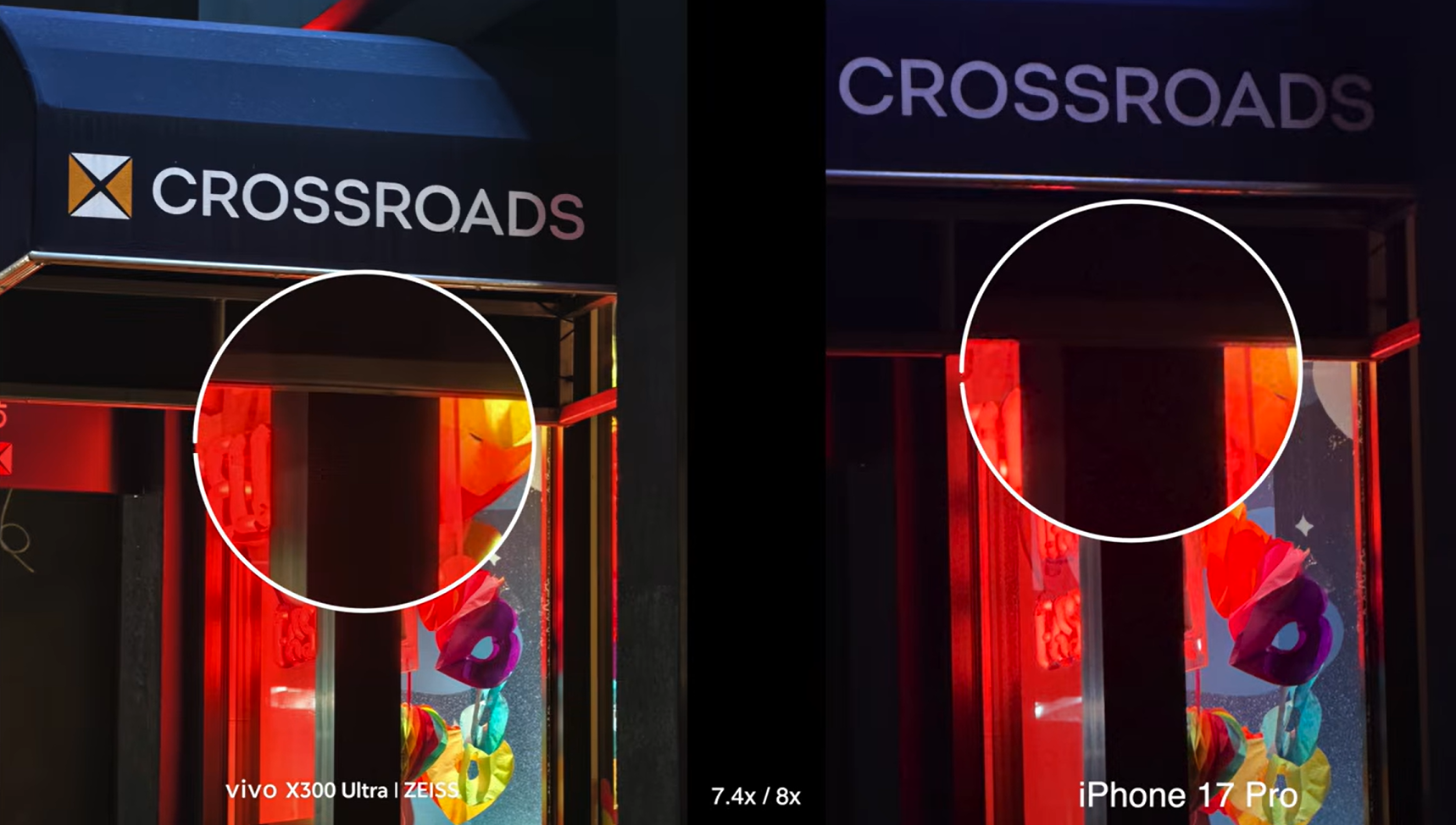
That fits a broader trend in the smartphone market. Apple tends to optimize for consistency, ease of use and mainstream preferences, while brands such as Vivo increasingly chase enthusiast-grade differentiation. If the supplied comparisons hold up in broader testing, the X300 Ultra may appeal to buyers who feel current iPhones are excellent all-rounders but less exciting for people who specifically care about telephoto performance and creative flexibility.
What the sample set suggests about image quality
- Portraits appear to be a major strength. The supplied 85mm samples show natural framing, strong subject emphasis and a more camera-like feel than the average smartphone portrait mode.
- Vivo seems to value focal-length variety. The comparisons repeatedly focus on 24mm, 35mm and 85mm style shooting rather than just one default look.
- The phone is being positioned as a tool, not only a lifestyle object. The grip, creator imagery and camera-adjacent framing all support that message.
- Zoom is a headline advantage. The supplied side-by-side material against the iPhone emphasizes that point more than any other competitive claim.
- The device may be unusually well balanced. If the 6,600mAh battery and the camera hardware claims are both accurate, Vivo may have paired stamina with ambition rather than making users choose one or the other.
Important limitations before you call it the best
There are still some meaningful unknowns. The supplied material is impressive, but it does not answer everything. We still need broader real-world verification on sustained image quality, video consistency, thermal behavior during extended shooting, global availability, software support and regional pricing. A phone can look outstanding in a tightly curated hands-on package and still end up making compromises that only show up in long-term use.
It is also worth remembering that some buyers will still prefer the iPhone for reasons that have nothing to do with pure photography: app ecosystem familiarity, resale value, accessory support, cross-device integration and established service networks. Being the most exciting camera phone is not automatically the same as being the safest flagship purchase.
PhonesGate take
The Vivo X300 Ultra looks like the kind of phone the flagship market needs more of. Instead of merely copying the premium formula, it appears to make a confident argument that a smartphone can still feel ambitious. The X300 Ultra seems built for people who want their phone to be a camera first and a status symbol second.
That will not make it the best phone for everyone. But for photography-focused buyers, this may be exactly the point. If you have been waiting for a device that feels more exciting than another iteration of the mainstream flagship formula, the X300 Ultra is shaping up as one of the most interesting options of 2026.
Who should consider the Vivo X300 Ultra?
- Choose it if you care about portraits, zoom flexibility, camera accessories and a creator-first flagship identity.
- Shortlist it if you currently use an iPhone Pro but feel mobile photography has become too predictable.
- Wait for full testing if battery, pricing, software support or video reliability matter more to you than still-image ambition.
- Skip it if you want the simplest mainstream flagship experience and do not care about telephoto performance or manual-style shooting accessories.
Final verdict
Based on the supplied evidence, the Vivo X300 Ultra is one of the clearest early candidates for the title of best camera phone of 2026. Its combination of an 85mm 200MP telephoto, creator-focused accessories, big-battery promise and visibly confident comparisons against Apple’s latest Pro iPhones gives it a much stronger identity than many flagship launches manage.
The final answer still depends on broader testing and full official verification. But right now, the X300 Ultra looks less like a niche experiment and more like a serious statement: that the most exciting smartphone photography may no longer be coming from the usual mainstream default choice.