
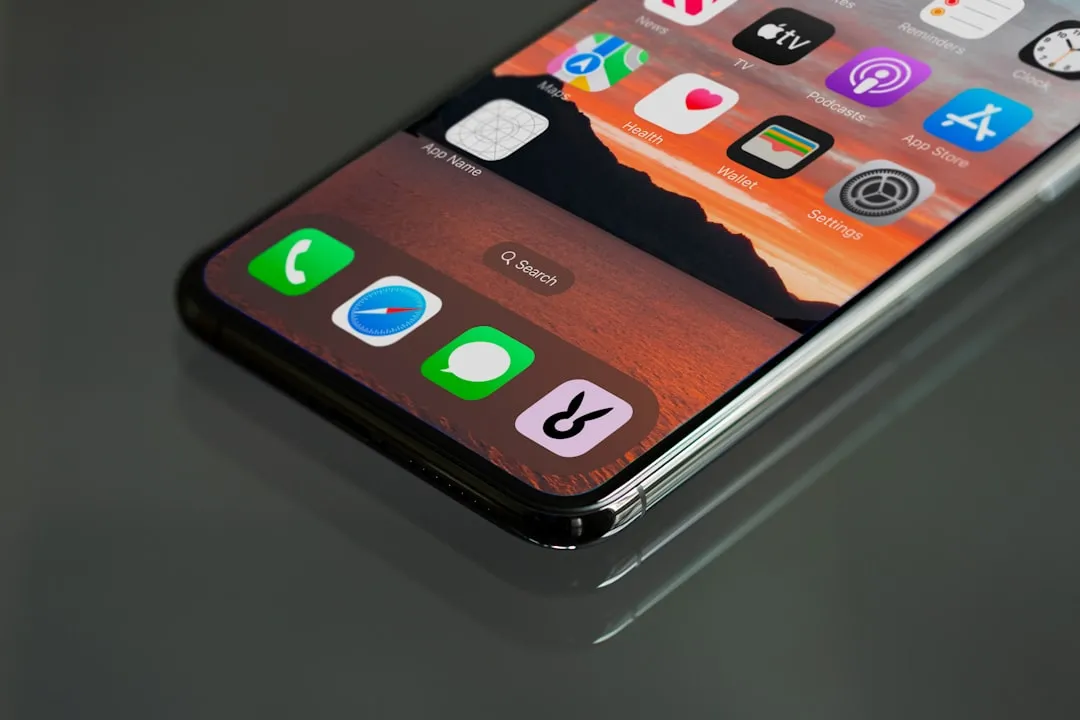

Recent industry reporting outlines a display concept in development for Apple’s anniversary iPhone — often called the iPhone 20 — that differs from the waterfall-style curved phones of the past. Rather than glass spilling down the sides for a visual effect, the proposed panel is a flexible OLED that micro-curves at all four edges and folds underneath the frame so the active pixel area appears to run to the very edge.
What the quad-edge design actually describes
The practical model is straightforward: the visible, usable screen remains flat where you view content, while the flexible OLED bends at the top, bottom, left and right edges to tuck the border beneath the chassis. That approach aims to eliminate the visible seam between the display and frame, producing an uninterrupted front face without the dramatic sloped glass associated with older waterfall phones.
Reporting also links this panel to a polarizer-free COE (color filter on encapsulation) architecture plus under-display versions of Face ID and front camera components. Together these elements point toward a design that removes visible cutouts and hardware interruptions from the screen area. One unresolved detail is whether the cover glass above the panel will follow the micro-curve or remain flat — a distinction that would affect in-hand feel and accessory compatibility.
Key takeaway
Reports describe a subtly curved, four-edge OLED panel Apple is developing that would fold under the frame to create an almost edge-to-edge front face.
Why this has been Apple’s aim for years
Apple’s patent record and design history show a long-running objective to maximize usable display area and conceal surrounding sensors. A filing with priority back to 2015 described embedding inactive border regions into the active area to house sensors and using masking to visually hide interruptions — a strategy echoed in recent UI treatments that make cutouts feel purposeful rather than accidental. Patents demonstrate intent but are not product confirmations; supply-chain moves carry stronger near-term weight.
Industry analysis published earlier indicated OLED manufacturers across the supply chain preparing for four-edge bending. That coordinated preparation suggests Apple’s timetable is credible enough for suppliers to plan production changes, although it does not prove final product readiness.
3 min read
iPhone coverage from PhonesGATE. Published Jul 20, 2026.
Engineering challenges that will determine whether this ships
Three technical hurdles will heavily influence the final design. First, edge-bend yield: bending a panel on all four sides concentrates stress at the corners where bends meet, creating a tougher reliability problem than single- or dual-edge designs. Manufacturers must preserve pixel integrity at those stress points at scale.
Second, under-display Face ID: unlike under-display visible-light cameras in some phones, Face ID relies on infrared dot projection and depth sensing. Achieving Apple’s biometric standards beneath an active OLED remains uncertain and is not described as solved in current reporting.
Third, cover glass choices: keeping the glass flat preserves familiar feel, case compatibility and repairability; curving it changes those variables and complicates accessories and service. Current reports do not confirm which route Apple will take.
PhonesGATE quick analysis
The concept described is a structural, not stylistic, use of curvature: a subtle tuck of a flexible panel to maximize active area rather than dramatic side-facing glass. Supply-chain alignment gives the rumor substance, but significant engineering work — especially for under-display Face ID and corner yield — must clear high bars before a shipping iPhone.
What this means for buyers
If realized, a quad-edge display could deliver a cleaner, more immersive front face with fewer visible cutouts. Buyers should watch for statements about biometric performance, accessory compatibility (screen protectors and cases), and repairability. Until manufacturers confirm yield and Apple confirms sensor performance under an active display, expect a cautious rollout rather than an immediate, guaranteed change in feel or functionality.
Sources and methodology
This article is based on reporting from Apple Gadget Hacks, with PhonesGATE editorial context and buyer-focused analysis.