

Xiaomi’s next foldable is shaping up to be important for reasons that go well beyond a thinner hinge, a brighter display or a larger camera sensor. The company has confirmed that the Xiaomi 18 Fold is scheduled for a September 2026 debut, and two pieces of silicon now make the launch especially significant: Xiaomi’s own Xring O3 processor and LPDDR6 memory supplied by CXMT.
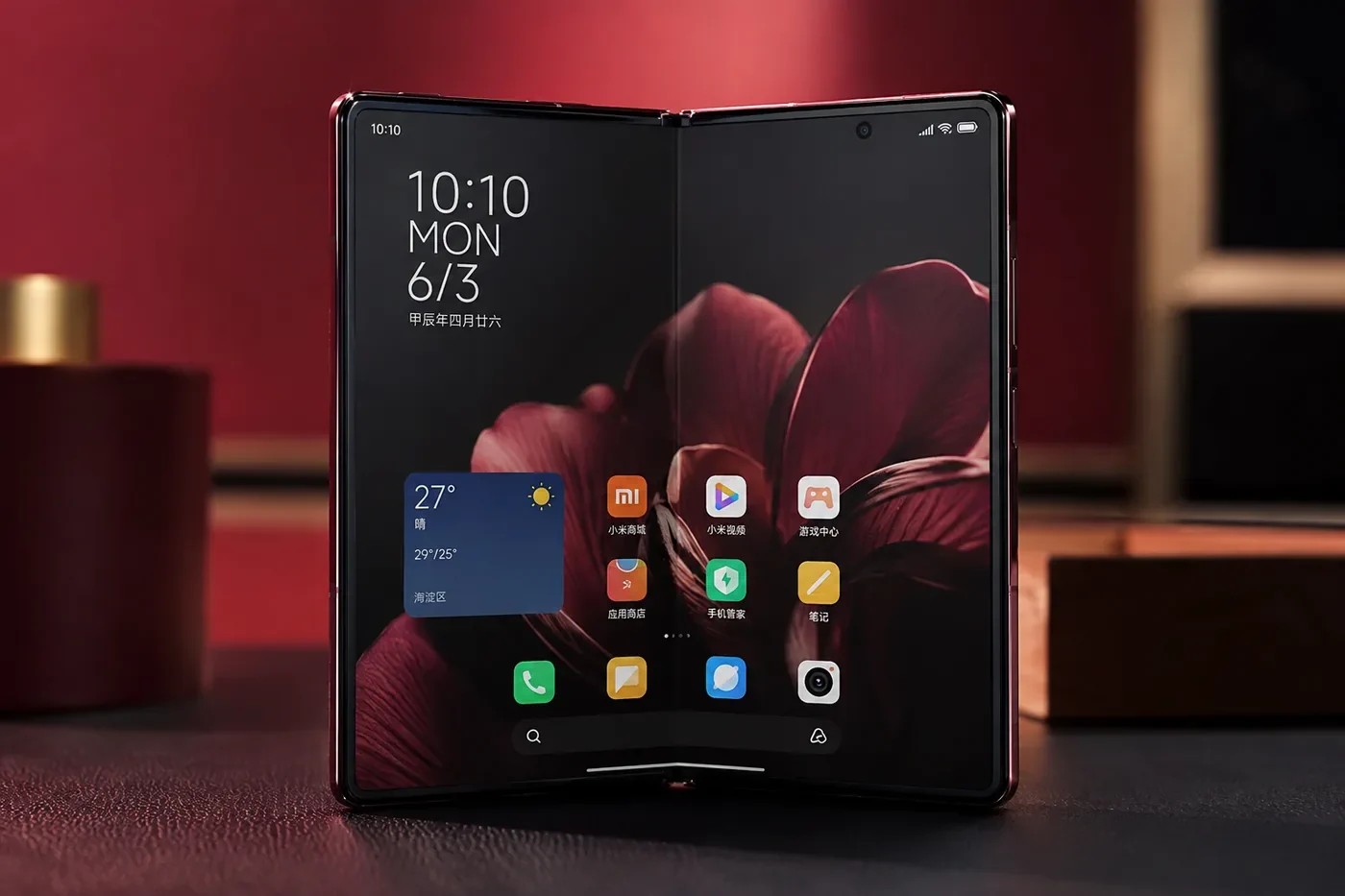
That combination makes the Xiaomi 18 Fold more than another premium foldable launch. It is becoming a real-world test of how far Xiaomi can push vertical integration in a smartphone market where many of the most important components are normally supplied by a small group of global chipmakers.
The full specification sheet is still not public, so several familiar details remain unconfirmed. But the parts Xiaomi has already disclosed tell us something much more interesting about the company’s long-term hardware strategy.
Key takeaway
Xiaomi 18 Fold will combine Xiaomi’s 3nm Xring O3 processor with CXMT LPDDR6 memory. The combination makes the upcoming foldable a much bigger story than a routine spec upgrade.
What Xiaomi has actually confirmed
There are three details that can now be treated as firm rather than rumor. First, the Xiaomi 18 Fold is planned for a September 2026 launch. Second, it will use Xiaomi’s in-house Xring O3 flagship processor. Third, Chinese memory manufacturer ChangXin Memory Technologies (CXMT) will supply LPDDR6 DRAM for the device.
Reuters reported on August 29 that CXMT had announced the supply agreement and that Xiaomi confirmed the partnership through its official channels. The same report says that Xring O3 is built on a 3-nanometre process and supports LPDDR6. A separate Reuters report earlier in the week described Xring O3 as part of Xiaomi’s broader effort to gain tighter control over the technology inside its premium products.
6 min read
Xiaomi coverage from PhonesGate. Published Aug 29, 2026.
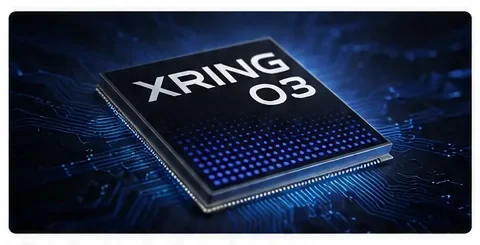
A flagship processor designed in-house gives Xiaomi more influence over performance targets, AI workloads, imaging pipelines, power management and the way its software interacts with the hardware. Pairing that processor with a new generation of mobile memory gives the company another major component it can optimize around its own product priorities.
Why LPDDR6 matters on a foldable
Memory rarely receives the same attention as a camera sensor or processor, but LPDDR6 is not a cosmetic specification. It acts as the high-speed workspace used by the CPU, GPU and AI engines while applications are running. Greater memory bandwidth can reduce bottlenecks when large amounts of data have to move quickly through the system.
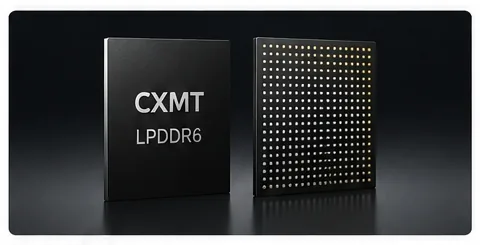
Reports around the new implementation point to transfer rates around 10,667 MT/s. Raw speed is only one part of the story. LPDDR6 is also designed around higher bandwidth and improved efficiency, both of which matter in a foldable where the processor may be driving a large display, multiple applications and increasingly demanding AI features at the same time.
A foldable encourages heavier usage than a conventional phone. Split-screen apps, floating windows, media editing, gaming and local AI workloads can all place sustained pressure on the processor and memory subsystem. If Xiaomi can combine Xring O3 with fast LPDDR6 without creating excessive heat or battery drain, users could see the benefit in real-world multitasking rather than only in benchmark charts.
Xring O3 is the bigger strategic story
Xiaomi has spent years building flagship phones around Qualcomm and MediaTek platforms, like most Android manufacturers. Those suppliers will remain important, but Xring changes the balance. Designing a high-end processor internally gives Xiaomi a greater opportunity to optimize hardware and software together.
The comparison with Apple is unavoidable, although Xiaomi is still at a very different stage. Apple has spent years coordinating its processors, operating systems and device designs around one tightly controlled architecture. Xiaomi is not suddenly recreating that model, but Xring O3 gives it more control over the computing stack than a conventional off-the-shelf flagship platform would provide.
That control can be especially valuable in a foldable. These devices are difficult engineering projects because thin bodies, large displays, strong cameras and high-performance processors all compete for space, power and thermal headroom. A processor designed around the company’s own hardware goals could eventually help Xiaomi make better trade-offs between performance, efficiency and sustained workloads.
Why CXMT’s role also matters
CXMT is another important part of the story. The Chinese memory manufacturer has been expanding quickly and is attempting to close the technology gap with established leaders including Samsung Electronics and SK Hynix. Supplying LPDDR6 for a high-profile Xiaomi flagship gives CXMT a visible mobile platform on which to demonstrate its progress.
For Xiaomi, supplier diversity can be strategically useful, but it also raises the importance of validation. Buyers will not care where the memory was manufactured if the phone is fast, cool and reliable. They will care immediately if aggressive new components introduce instability, poor efficiency or inconsistent performance. That makes the Xiaomi 18 Fold an engineering test for both Xiaomi and CXMT.
What remains rumored rather than confirmed
Several specifications circulating around the Xiaomi 18 Fold should still be treated as reports rather than facts. Earlier leaks have mentioned a battery around 6,000mAh, wireless charging, a roughly 7.6-inch folding display and a 200MP main camera. Xiaomi has not yet published a complete retail specification sheet confirming those figures.
The same caution applies to dimensions, weight, charging speeds, exact camera configuration, global availability and final pricing. Prototype information can change before launch, and regional variants may not be identical. PhonesGate will keep confirmed information separate from leaks as Xiaomi releases its official launch material.
What this could mean for the foldable market
The foldable category is already one of the most competitive areas of premium Android hardware. Samsung has spent years refining its Galaxy Z Fold line, while Huawei, Honor, Oppo, vivo and other Chinese manufacturers have pushed aggressively on thinness, battery capacity, camera hardware and display proportions.
Xiaomi therefore cannot rely on novelty alone. Its more interesting differentiator may be the architecture underneath the phone. If Xring O3 and LPDDR6 work well together, Xiaomi can argue that its flagship foldable reflects more of its own engineering roadmap rather than simply using the same core platform available to competitors.
That does not automatically make the phone better. Qualcomm and MediaTek have mature modem, GPU, AI and power-management ecosystems, and Samsung has years of foldable-specific experience. The real tests will be sustained performance, connectivity, camera processing, thermal behavior, battery life and software polish.
PhonesGate verdict
The Xiaomi 18 Fold is interesting because the biggest story is happening underneath the display. Xring O3 gives Xiaomi an opportunity to optimize more of the computing stack itself, while CXMT’s LPDDR6 gives that platform next-generation memory bandwidth to work with.
On a large-screen foldable designed for multitasking, gaming and AI, that combination is technically relevant. More importantly, it signals where Xiaomi wants to go next: fewer flagship formulas determined entirely by outside component suppliers and more technology developed around its own ecosystem.
If the September launch delivers strong efficiency and polished software alongside competitive foldable hardware, the Xiaomi 18 Fold could become one of Xiaomi’s most strategically important phones in years. If it does not, it will still provide a useful measure of how difficult the jump from component buyer to deeper hardware architect really is.
Sources
PhonesGate based the confirmed elements of this analysis on reporting from Reuters about the Xiaomi 18 Fold, CXMT’s LPDDR6 supply agreement and Xiaomi’s Xring O3 processor. Additional technical context was cross-checked against publicly reported LPDDR6 information. Unconfirmed hardware specifications are clearly identified as rumors rather than final product specifications.