

On July 10, 2026, Xiaomi published a weekly bug report outlining a set of HyperOS incremental updates that target usability and stability problems across its current flagship lineup. The patches focus on photo album editing, app crashes, search and UI rendering issues and are being distributed in China with global rollouts to follow.
Technical root causes and key fixes
The report attributes the recent problems to several HyperOS system components and native app interactions under specific conditions. For the Xiaomi 17 Ultra (HyperOS 3.0.303.0), engineers fixed intermittent album editing failures and brightness adjustment problems that appear to have arisen from resource management inefficiencies and UI thread race conditions during intensive photo manipulation and system-wide brightness changes.
The Xiaomi 17 Pro Max (3.0.306.0) received a fix for a rendering anomaly in the Pomodoro-style “Tomato Listening” feature where the return button showed a black block, which the bulletin links to rendering pipeline issues in certain UI overlays. The Xiaomi 17 (3.0.305.0) update resolved irregular visual states when clearing global search history, tied to incomplete cache eviction and state synchronization bugs.
Key takeaway
Xiaomi has published a weekly bug report detailing incremental HyperOS fixes for multiple flagship models, addressing album editor errors, app crashes and UI rendering problems.
Other targeted fixes include crash prevention in the Xiaomi Store on the Xiaomi 17T (3.0.301.0) under constrained memory conditions; restoration of a missing add button in Notes and stabilization of Xiaomi Business Hall on the Xiaomi 15 Ultra (3.0.306.0); and corrections to cloud album upload synchronization on the Xiaomi 15S Pro (3.0.302.0) related to backend API timeouts or session token handling.
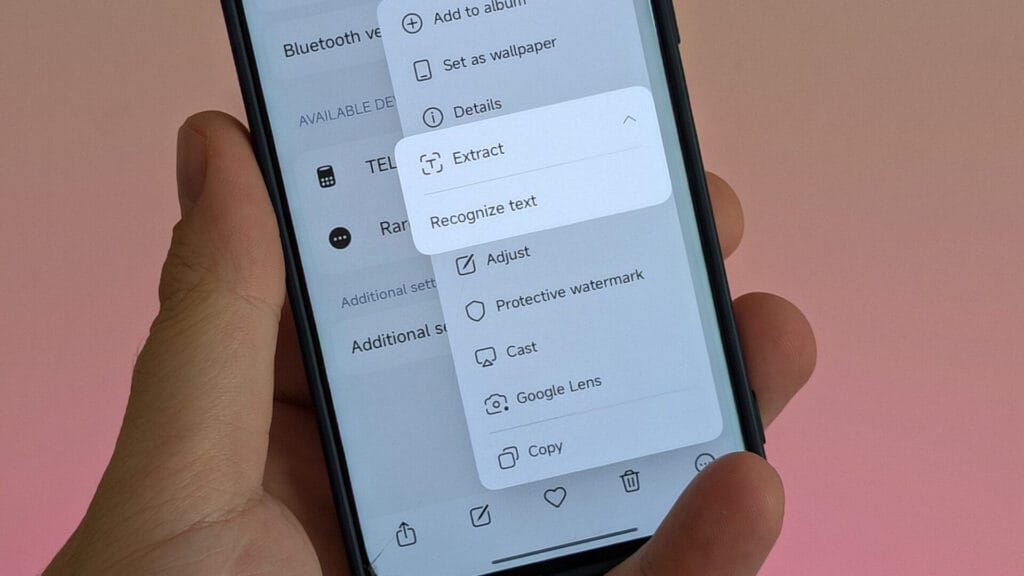
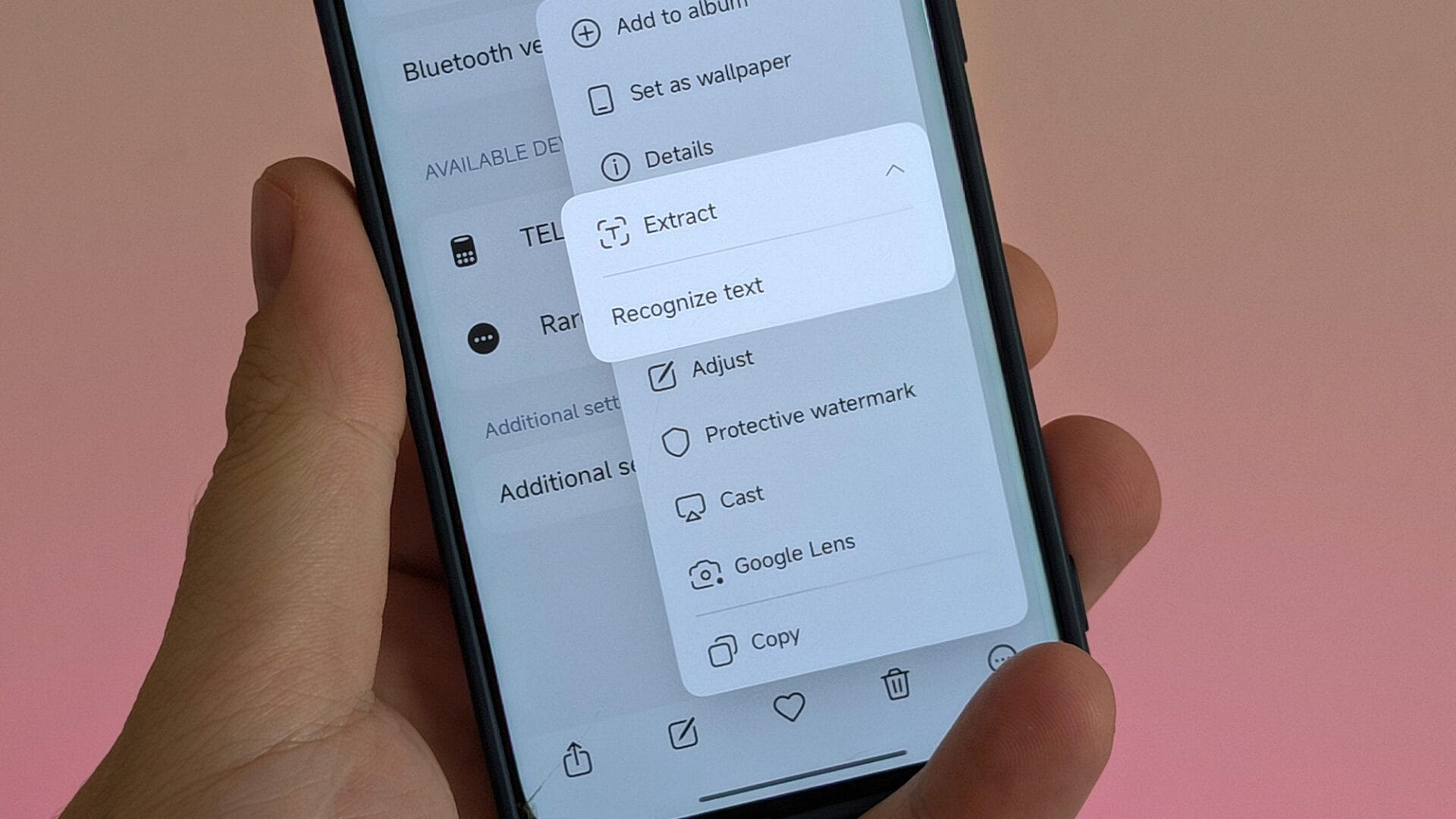
The Xiaomi 15 Pro (3.0.301.0) patch addresses an album editor failure to extract text from images by ensuring proper invocation of OCR libraries in the image processing framework. The REDMI K70 Ultra (3.0.302.0)—marketed globally as the POCO F5 Pro—received a fix for duplicated instances of the global sidebar due to state preservation bugs in the side panel UI module.
3 min read
Xiaomi coverage from PhonesGATE. Published Jul 14, 2026.
Affected devices and HyperOS versions
The report lists the following pairings of devices and incremental HyperOS builds: Xiaomi 17 Ultra – 3.0.303.0; Xiaomi 17 Pro Max – 3.0.306.0; Xiaomi 17 – 3.0.305.0; Xiaomi 17T – 3.0.301.0; Xiaomi 15 Ultra – 3.0.306.0; Xiaomi 15S Pro – 3.0.302.0; Xiaomi 15 Pro – 3.0.301.0; REDMI K70 Ultra (POCO F5 Pro globally) – 3.0.302.0.
Why this matters
These fixes improve day-to-day reliability for flagship users by addressing high-impact workflows such as photo editing, cloud sync and core native apps. For customers in the premium segment, stability and smooth app behavior are important factors in satisfaction and brand perception. The report signals continued investment in HyperOS quality following the platform’s broader rollout earlier in the year.

PhonesGATE quick analysis
The scope of these incremental releases suggests Xiaomi is prioritizing targeted stability work over introducing new features, concentrating on resolving UX blockers that could degrade perceived device quality. Fixes that touch OCR, cloud sync and UI state management are likely to reduce frequent, user-visible errors and lower support burdens over time.
What this means for buyers
Users of affected models should expect OTA delivery of these updates after regional validation; manual action will normally be limited to installing the updates from system settings when they appear. Owners of globally sold equivalents—such as those using the POCO-branded variant of the REDMI K70 Ultra—should watch update notifications in the coming weeks. These patches do not introduce new features but should make daily use more dependable.
Sources and methodology
This article is based on reporting from XiaomiTime, with PhonesGATE editorial context and buyer-focused analysis.