

Samsung’s foldables finally have a true “Ultra” moment—but that does not automatically mean every Z Fold7 owner should rush to upgrade. Based on the comparison material provided, the Galaxy Z Fold8 Ultra improves the areas that mattered most on recent Samsung foldables: battery capacity, charging, display quality, crease visibility and raw processing headroom. The result looks like the most complete Samsung book-style foldable yet, even if the jump from the Fold7 is not equally important for every buyer.
The short version is simple. If you already own the Galaxy Z Fold7 and you are still happy with its speed, form factor and cameras, the Fold8 Ultra is more of a refinement than a revolution. But if you wanted a longer-lasting battery, brighter screen, faster charging and a more polished display experience, this is the first Ultra-branded Fold that makes a genuinely strong upgrade case.
This guide breaks down the seven biggest changes, shows what they mean in everyday use and explains who should upgrade now—and who should comfortably keep the Fold7 for another cycle.
Key takeaway
A buyer-focused breakdown of the Galaxy Z Fold8 Ultra and how it compares with the Z Fold7, highlighting battery, charging, display, camera and performance changes that actually matter.
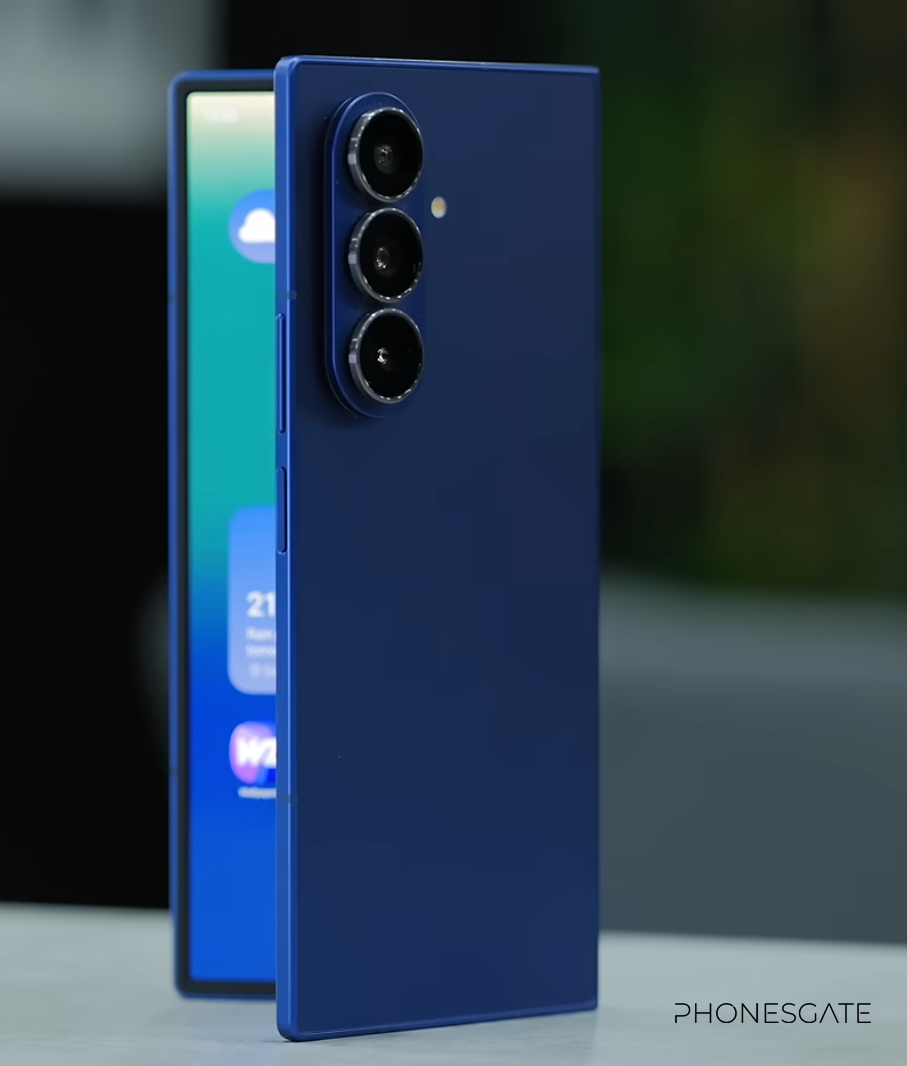
Quick answer: is the Galaxy Z Fold8 Ultra worth upgrading to from the Z Fold7?
For most Fold7 owners, only if you care strongly about battery, charging and display quality. Those are the three biggest reasons to move. The new Fold8 Ultra appears to offer a larger 5,000mAh battery, meaningfully faster wired and wireless charging, a brighter screen and a crease that is much less distracting in normal use. Performance and cameras improve too, but not enough on their own to justify the cost for most current Fold7 users.
Upgrade area Why it matters Upgrade impact Battery 5,000mAh appears to break Samsung’s long 4,400mAh pattern Major Charging Faster wired and wireless charging makes the larger battery more useful Major Display Brighter screen, flatter panel and reduced crease improve daily use Major Cameras Better ultrawide and smarter imaging pipeline Moderate Performance New flagship chip brings stronger NPU, CPU and GPU capability Moderate Design Subtle physical refinements rather than a dramatic redesign Minor to moderate Software features Useful, but likely not exclusive long-term Minor
10 min read
Samsung coverage from PhonesGate. Published Jul 27, 2026.
1. Design: thinner when open, but not a radically different feel when folded
The Fold7 already made the biggest visible design leap in this recent stretch of Samsung foldables by becoming notably lighter and thinner than the Fold6. The Fold8 Ultra pushes that direction a little further, but the change looks evolutionary rather than dramatic.
According to the provided material, the phone becomes slightly thinner when unfolded while keeping a similar folded thickness in the pocket. In real-world use, that means the device should still feel familiar if you are coming from the Fold7. The bigger day-to-day difference may be the hinge feel and the slightly easier opening motion rather than the raw thickness number itself.
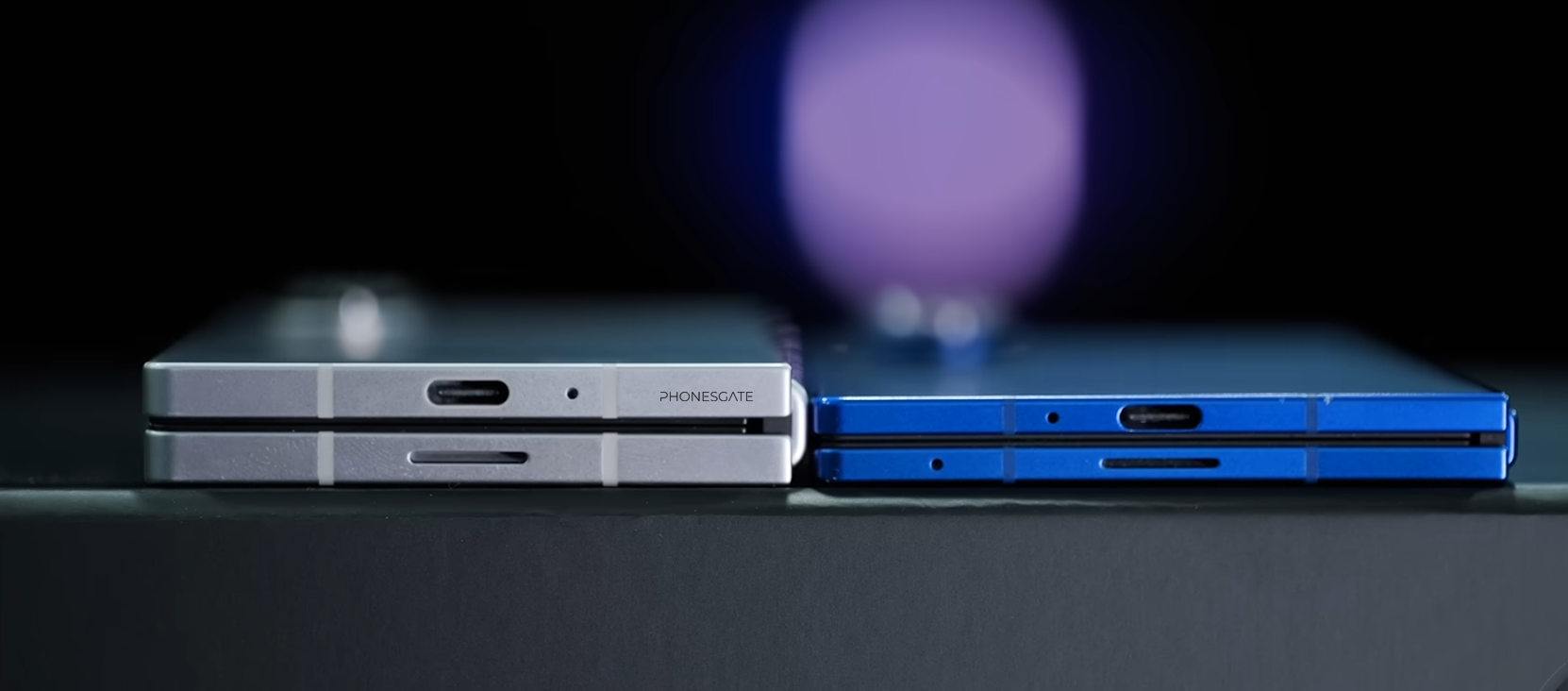
That is important, because buyers hoping for a completely new category-defining design jump may end up disappointed. Buyers who simply wanted the Fold line to keep improving in fit, finish and usability should be satisfied.
2. Battery: this may be the most important Fold upgrade in years
If there is one change that gives the Fold8 Ultra genuine upgrade credibility, it is the battery story. The provided visuals show how long Samsung kept the Fold series stuck around the same capacity range, with recent generations repeatedly sitting at 4,400mAh. The Fold8 Ultra appears to finally break out of that pattern with a 5,000mAh battery.
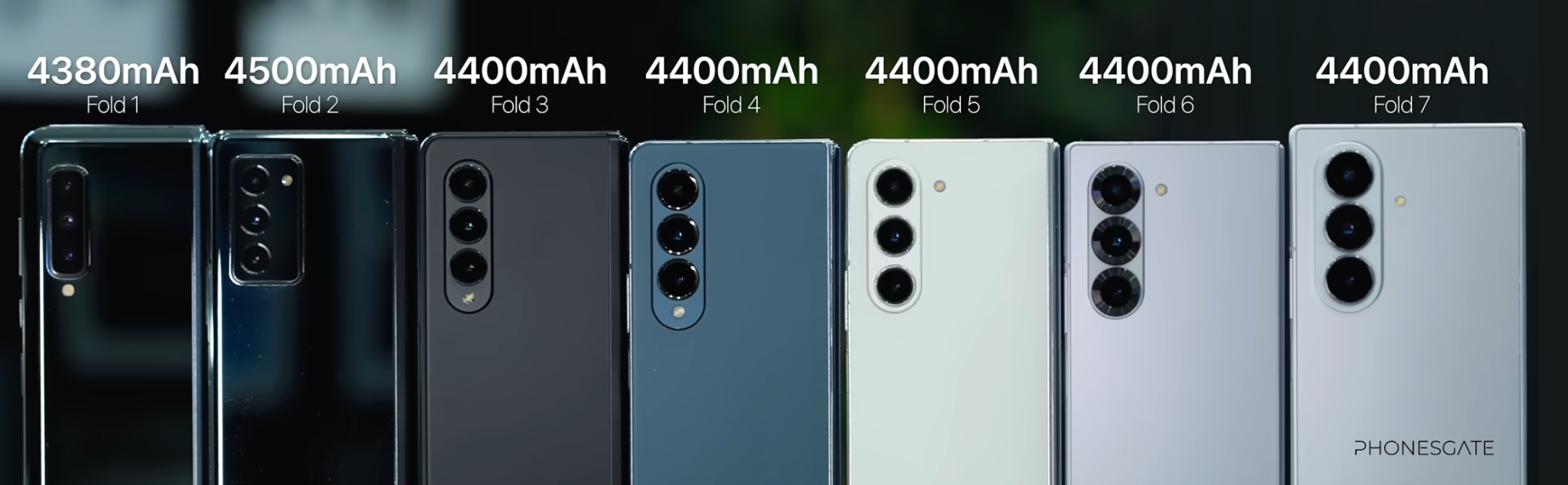
For a foldable, that matters more than it would on many slab phones. A Fold is supposed to be a productivity device. It powers two displays, frequently runs multiple apps at once and often replaces a small tablet during travel or work sessions. If the battery becomes a daily limitation, the whole “Ultra” concept feels compromised.
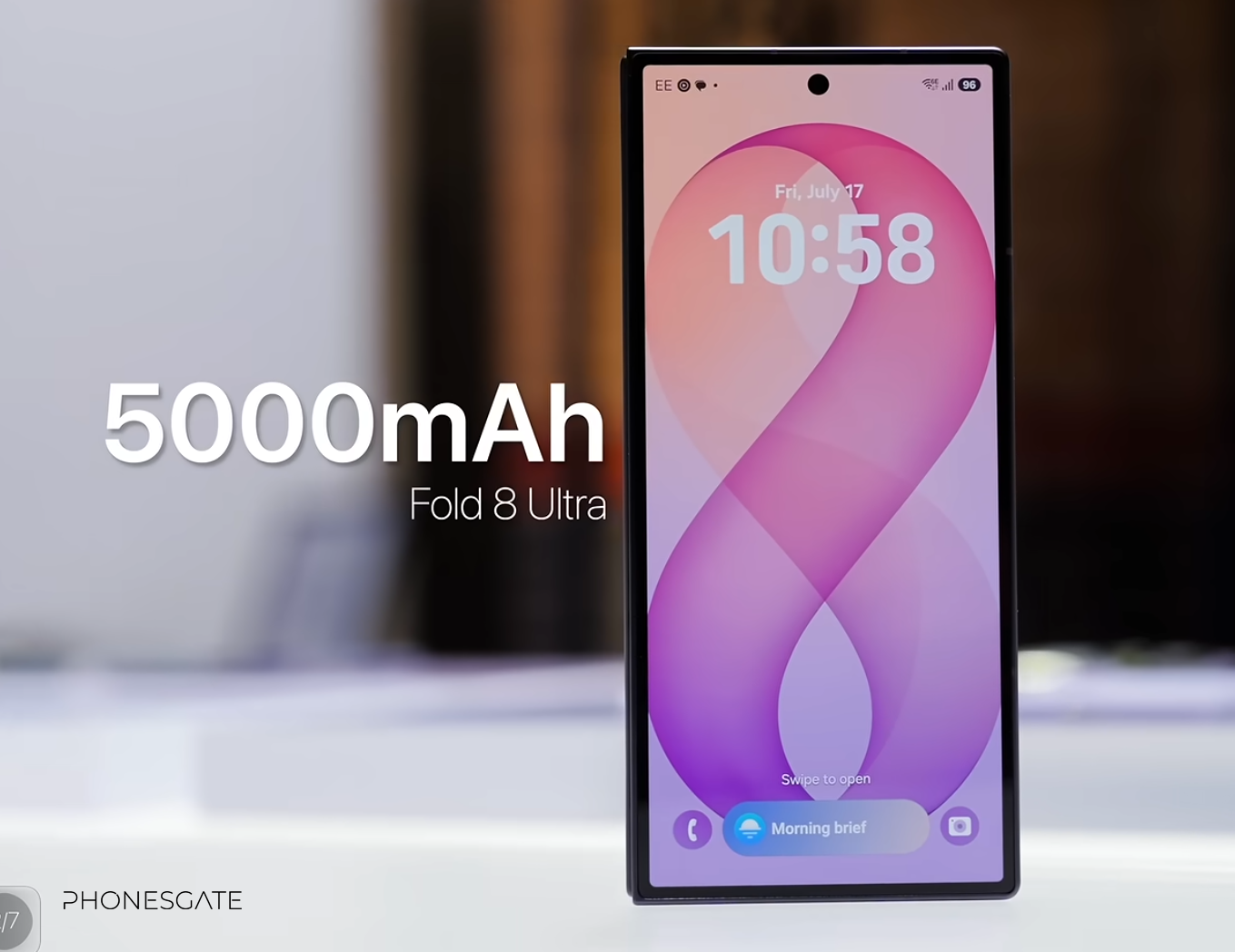
On paper alone, this is probably the single best reason for Fold7 owners to pay attention.
3. Charging: bigger battery, less waiting
The battery increase becomes even more meaningful because charging also appears to improve. Based on the uploaded transcript, the Fold8 Ultra moves from 25W wired charging on the Fold7 to 45W wired charging, while wireless charging also steps up. That is the kind of quality-of-life upgrade that looks modest in a spec table but feels substantial over months of ownership.
Faster top-ups are especially useful on foldables because these devices often get used harder than conventional phones. A half-hour desk break, airport stop or short recharge between meetings becomes much more valuable when the phone can regain a meaningful amount of power quickly.
For existing Fold7 users, this is one of the rare upgrades that can improve your experience every single day, not just during a benchmark or occasional camera shoot.
4. Display: brighter, flatter and finally far less crease-dominated
The Fold8 Ultra’s display improvements look like the most visible “Ultra” change beyond battery. The material provided describes a brighter panel, an anti-reflective coating and a much less noticeable crease thanks to hinge and internal display refinements. Even if the crease has not disappeared entirely, the practical point is that it should interfere less with reading, multitasking and media use.
A foldable display is not judged only by size. It is judged by how natural it feels once you forget you are looking at a foldable. That is why crease visibility, glare control and peak brightness matter so much more than they do on a conventional phone.
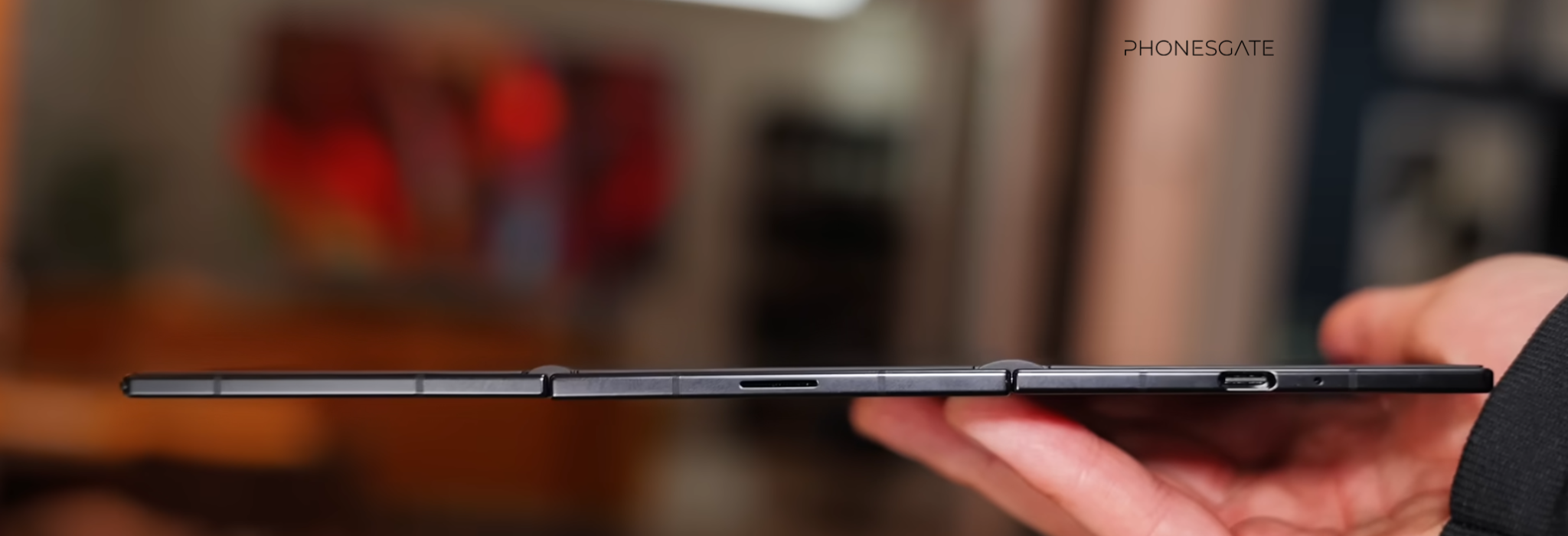
The comparison material also frames the Fold8 Ultra against the Oppo Find N6, suggesting that Samsung is finally closing the gap in one of the most important parts of the foldable experience.
5. Cameras: a more useful upgrade than a dramatic one
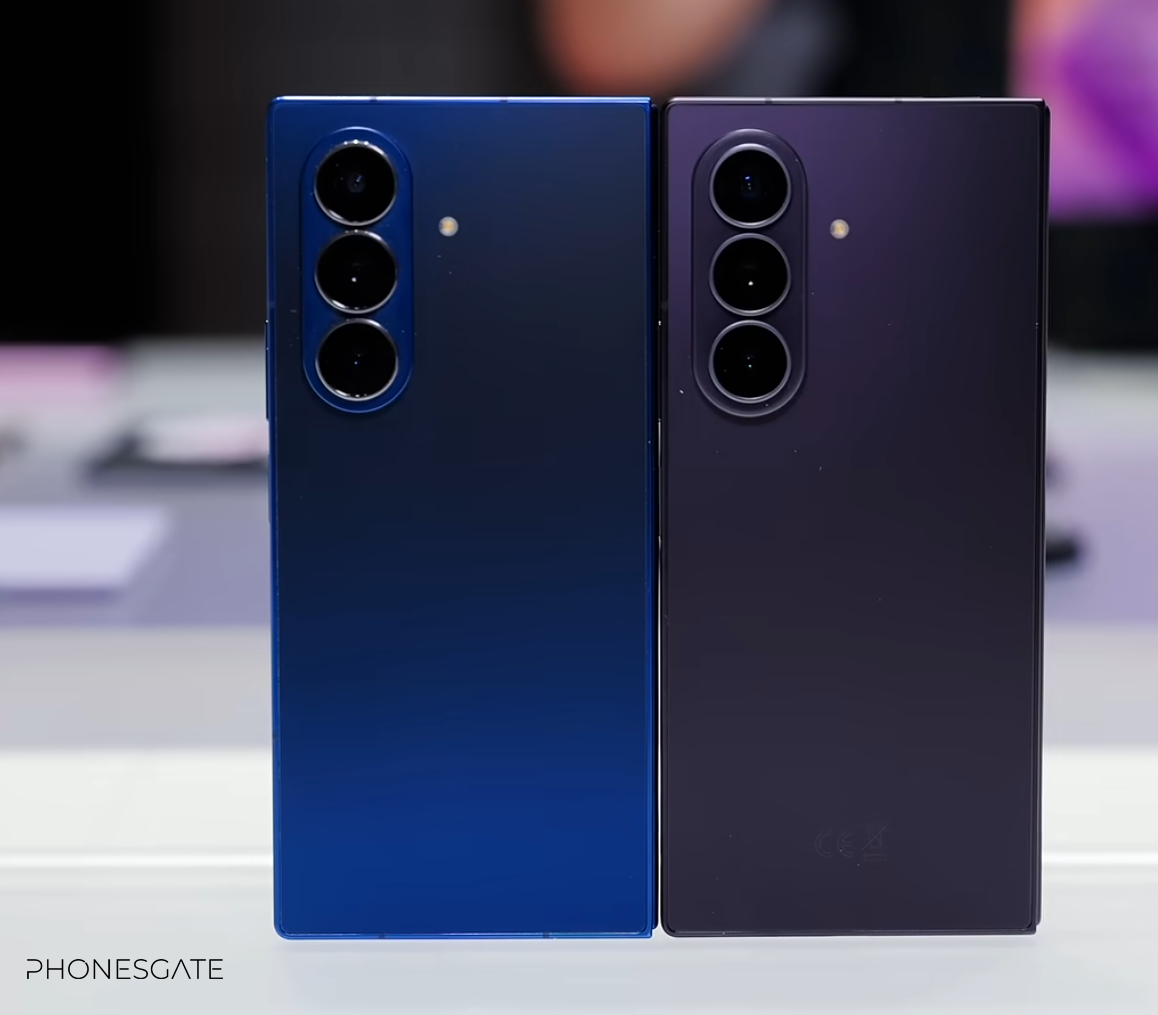
Camera upgrades on foldables can be tricky. Buyers want flagship hardware, but manufacturers often prioritize thinness, heat control and internal space. Based on the source material, the Fold8 Ultra keeps its 200MP main-camera approach while improving flexibility through a higher-resolution ultrawide. That makes the overall system more rounded even if it is not a total reinvention.
The article material also suggests that Samsung has improved what you can do in high-resolution shooting modes and that the new imaging pipeline should help video and low-light results. The problem for Fold7 owners is that these are good refinements, not necessarily wallet-opening ones by themselves. If cameras are the only reason you are considering the upgrade, you will probably want to wait for deeper testing.
6. Performance: faster on paper, less dramatic in everyday feel
The Fold8 Ultra appears to adopt Samsung’s latest flagship platform, aligning it more closely with the Galaxy S26 Ultra in raw silicon capability. That should translate into stronger AI workloads, faster image processing and better long-term software headroom.
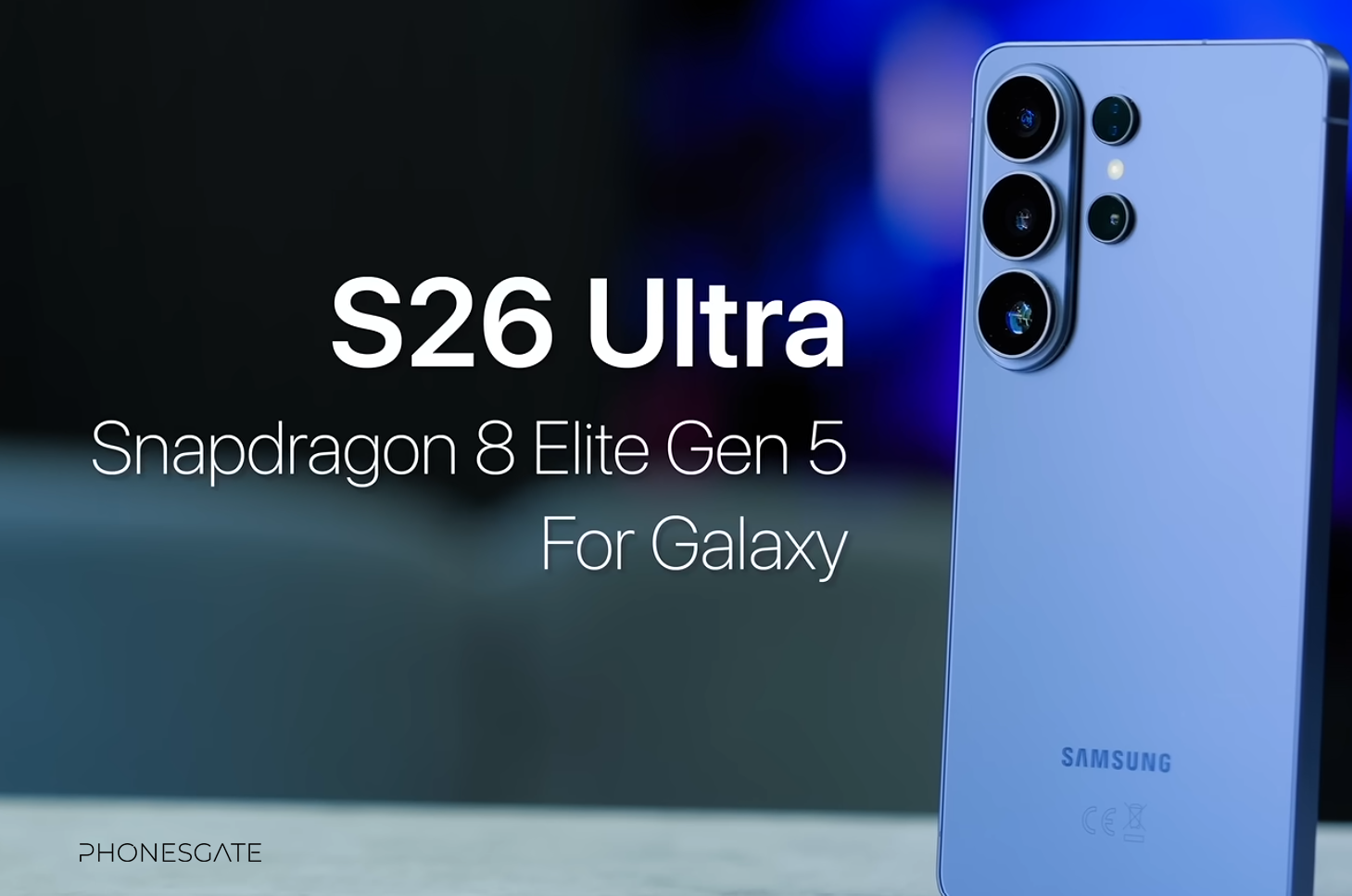
Still, performance is not where the Fold7 felt weak in the first place. If you already own that device, the Fold8 Ultra is unlikely to feel dramatically faster in basic tasks like app launching, multitasking or browsing. The gains are more relevant for demanding creative work, advanced AI features and future-proofing than for casual use.
There is also a note of caution here: the source material suggests that thermal behavior still deserves real-world testing. So while the chip is an upgrade, it should not be viewed as the main reason to switch from a Fold7.
7. Software features: useful additions, but probably not exclusive enough to force an upgrade
New camera-adjacent features and AI-driven workflows can help Samsung tell an “Ultra” story, but software is also the area most likely to become available elsewhere in the lineup. The material mentions new editing and automation tools, plus foldable optimizations that make multi-window use more convenient.
Those additions are welcome, especially if you use your Fold heavily for productivity or content creation. But historically, software alone rarely justifies a foldable upgrade unless it unlocks an entirely new category of use. That does not appear to be the case here.
Fold8 Ultra vs Fold7 vs Fold6: the broader perspective
The most useful context may actually come from looking one generation further back. The Fold6-to-Fold7 jump appears to have delivered the biggest physical transformation in this part of Samsung’s foldable history, with major improvements in weight and thickness.
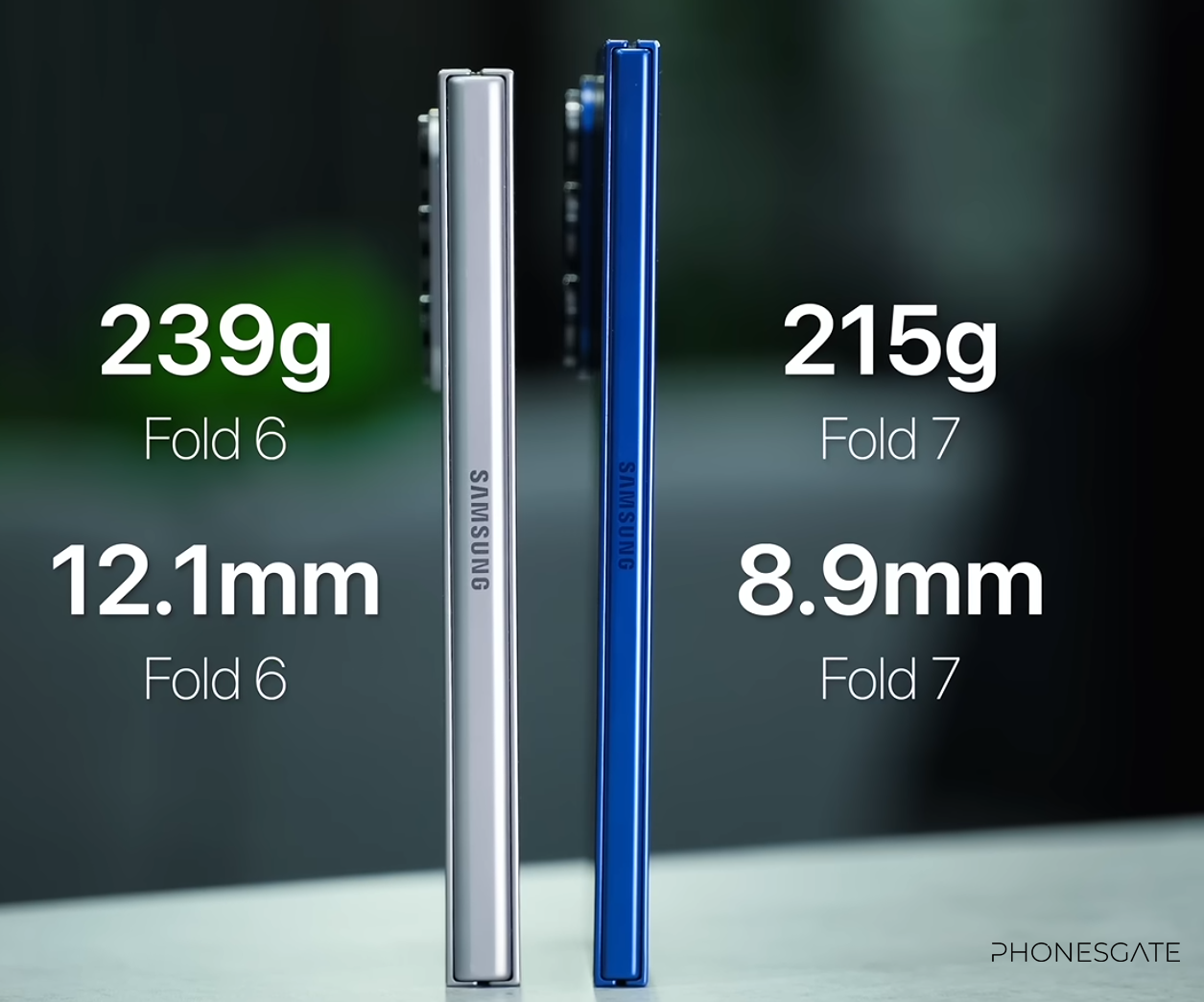
That is why the Fold8 Ultra should be viewed differently depending on what you own today:
- Coming from the Fold7: upgrade only if battery, charging and display quality are top priorities.
- Coming from the Fold6: the combined physical refinements plus battery and display upgrades may feel much more meaningful.
- Coming from Fold5 or older: the Fold8 Ultra could feel like a completely different class of foldable.
Who should upgrade?
Upgrade now if:
- You want the biggest battery ever in a Samsung book-style foldable.
- You care a lot about screen brightness, reflectivity and crease reduction.
- You use your Fold intensely for work, travel or long multi-app sessions.
- You want faster charging because the current Fold charging experience feels too slow.
- You are coming from a Fold6 or older device.
Skip or wait if:
- You already own the Fold7 and are still happy with its endurance.
- You expected a complete redesign instead of a refinement.
- You mainly wanted a camera upgrade.
- You care more about value than owning Samsung’s newest foldable flagship.
- You want long-term reviews and battery testing before spending Ultra money.
PhonesGate take: the battery and display finally make the “Ultra” name believable
The most interesting thing about the Fold8 Ultra is not that Samsung put the word “Ultra” on a foldable. It is that the company appears to have focused on the two improvements that actually matter most to serious foldable buyers: endurance and display quality.
For too long, Fold upgrades have sometimes felt like spec polishing without solving the practical frustrations that shape day-to-day ownership. A bigger battery, faster charging, a cleaner-looking inner screen and stronger sunlight usability are exactly the kind of improvements that make a foldable easier to live with. That is more valuable than one more processor headline or a barely thinner frame.
The catch is that the Fold7 was already a strong device. So the Fold8 Ultra is not a must-upgrade product for every current owner. It is simply the first recent Fold that makes the upgrade conversation feel rational instead of emotional.
Final verdict
The Galaxy Z Fold8 Ultra looks like the most balanced Samsung foldable yet, but its value depends heavily on what you already own. For Fold7 users, this is a targeted upgrade centered on battery, charging and display quality. For Fold6 owners and earlier adopters, it could feel like the Fold line finally maturing into the device many people wanted years ago.
If the uploaded comparison material reflects the final retail experience, Samsung may have built its strongest argument yet for an Ultra-class foldable. Just do not mistake a very good upgrade for a mandatory one.
Frequently asked questions
What is the biggest Galaxy Z Fold8 Ultra upgrade over the Fold7?
The most important upgrade appears to be the move to a 5,000mAh battery, followed by faster charging and a more polished inner display.
Should Fold7 owners upgrade to the Fold8 Ultra?
Only if battery life, charging speed and display quality matter enough to justify the cost. Performance and cameras alone probably are not enough reasons.
Is the Fold8 Ultra thinner than the Fold7?
According to the provided comparison material, it is slightly thinner when open, but the folded-in-pocket feel is not dramatically different.
Does the Fold8 Ultra fix the crease?
It appears to reduce crease visibility significantly, but not eliminate it entirely. The main improvement is that the crease should be far less distracting during normal use.
How much bigger is the Fold8 Ultra battery?
The provided material indicates a jump from 4,400mAh on the Fold7 to 5,000mAh on the Fold8 Ultra.
Is the Fold8 Ultra better than the Oppo Find N6 display?
The comparison frames the Fold8 Ultra as being much closer to the best foldable displays in the category, especially in crease handling and brightness, though independent testing is still recommended.